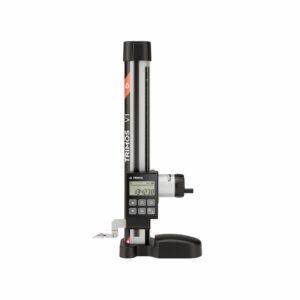
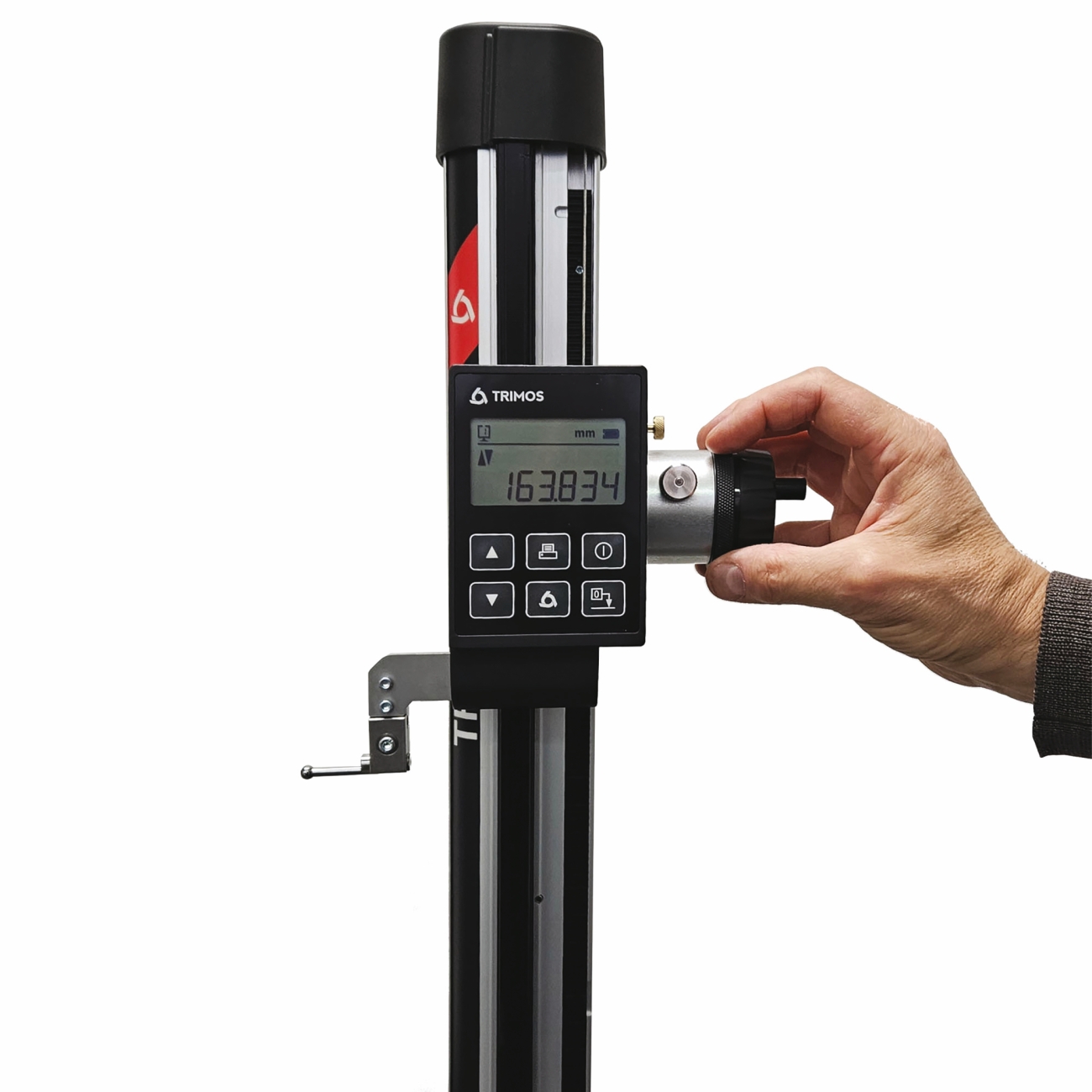
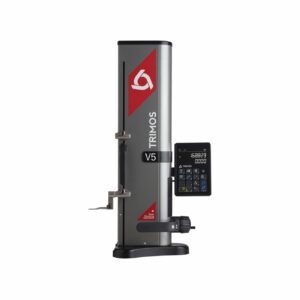
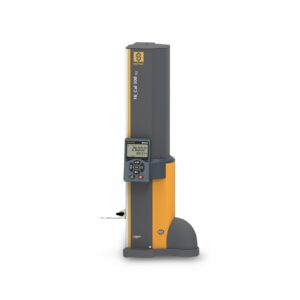
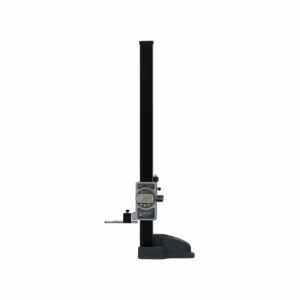
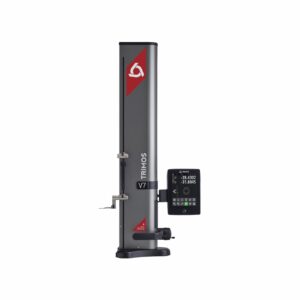
Altimeters are fundamental instruments in the machine shop sector, used to measure the altitude or elevation of an object relative to a reference level. These devices are essential to ensure precision and accuracy in manufacturing and maintenance processes. In this article, we will explore in detail what altimeters are, how they work, their benefits and practical applications in machine shops.
What are altimeters and how do they work?
Altimeters are measuring instruments that determine the altitude of an object relative to a reference level, usually sea level. There are different types of altimeters, including barometric, GPS and radar. Barometric altimeters measure atmospheric pressure to calculate altitude, while GPS altimeters use satellite signals to determine position and elevation. Radar altimeters, on the other hand, use radio waves to measure the distance between the altimeter and the ground.
Applications of altimeters in machine shops
In machine shops, altimeters are used in various processes, including calibrating machinery, checking the alignment of components and measuring uneven surfaces. These instruments are particularly useful in the production of aerospace components, where accuracy is crucial. In addition, altimeters are used in the maintenance of heavy machinery, ensuring that operations are carried out with maximum accuracy.
Advantages of using altimeters
The use of altimeters in machine shops offers numerous advantages. Firstly, they improve the accuracy of measurements, reducing the margin of error and increasing the efficiency of production processes. In addition, they make it possible to monitor and control machine wear, preventing breakdowns and reducing maintenance costs. Altimeters are also versatile instruments, adaptable to different applications and working environments.
How to use an altimeter correctly
To obtain accurate measurements, it is essential to use an altimeter correctly. First of all, it is important to caliper the instrument according to environmental conditions and the desired reference level. During use, it is essential to keep the altimeter stable and correctly positioned in relation to the object to be measured. In addition, it is advisable to carry out regular checks to ensure that the altimeter functions correctly and shows no signs of wear or damage.
FAQ on altimeters in machine shops
What are the main types of altimeters used in machine shops?
Barometric, GPS and radar altimeters are the most common in machine shops.
How is a barometric altimeter calibrated?
Calibrating a barometric altimeter is done by adjusting the device to the current atmospheric pressure and reference level.
What are the advantages of GPS altimeters over barometric altimeters?
GPS altimeters offer greater accuracy and are not affected by changes in atmospheric pressure.
Can altimeters be used outdoors?
Yes, many altimeters are designed to work outdoors, but it is important to choose a model suitable for the specific conditions.
What is the difference between an altimeter and a laser distance meter?
An altimeter measures altitude relative to a reference level, whereas a laser distance meter calculates the distance between two points.
Do altimeters require regular maintenance?
Yes, it is advisable to carry out regular checks and calibrations to ensure the accuracy and proper functioning of altimeters.
What are the applications of altimeters in the aerospace sector?
In the aerospace sector, altimeters are used for the production and maintenance of components, ensuring accuracy and safety.
Can altimeters be used to measure uneven surfaces?
Yes, altimeters are versatile instruments that can be used to measure irregular surfaces accurately.
What are the limitations of barometric altimeters?
Barometric altimeters can be affected by variations in atmospheric pressure, which can alter measurements.
How to choose the right altimeter for a machine shop?
The choice of altimeter depends on the specific needs of the workshop, considering factors such as accuracy, working environment and type of application.