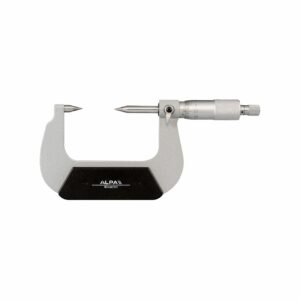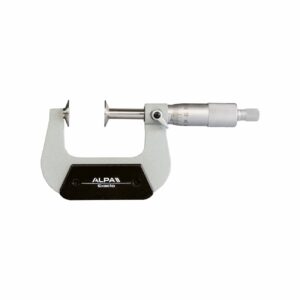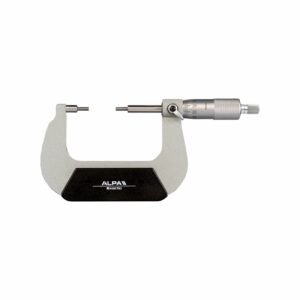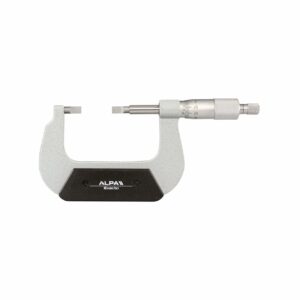



Analogue micrometers represent one of the most essential and precise measuring instruments used in machine shops and various industrial sectors. These instruments are designed to measure the dimensions of objects with extreme precision, ensuring that specifications are met at each stage of the production process. Their importance is crucial in a context where precision is synonymous with quality and reliability.
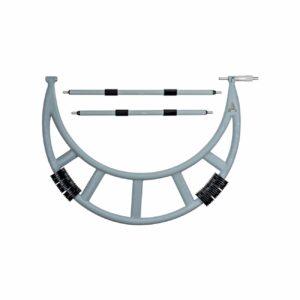
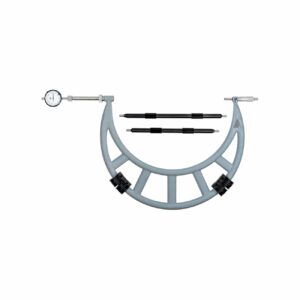
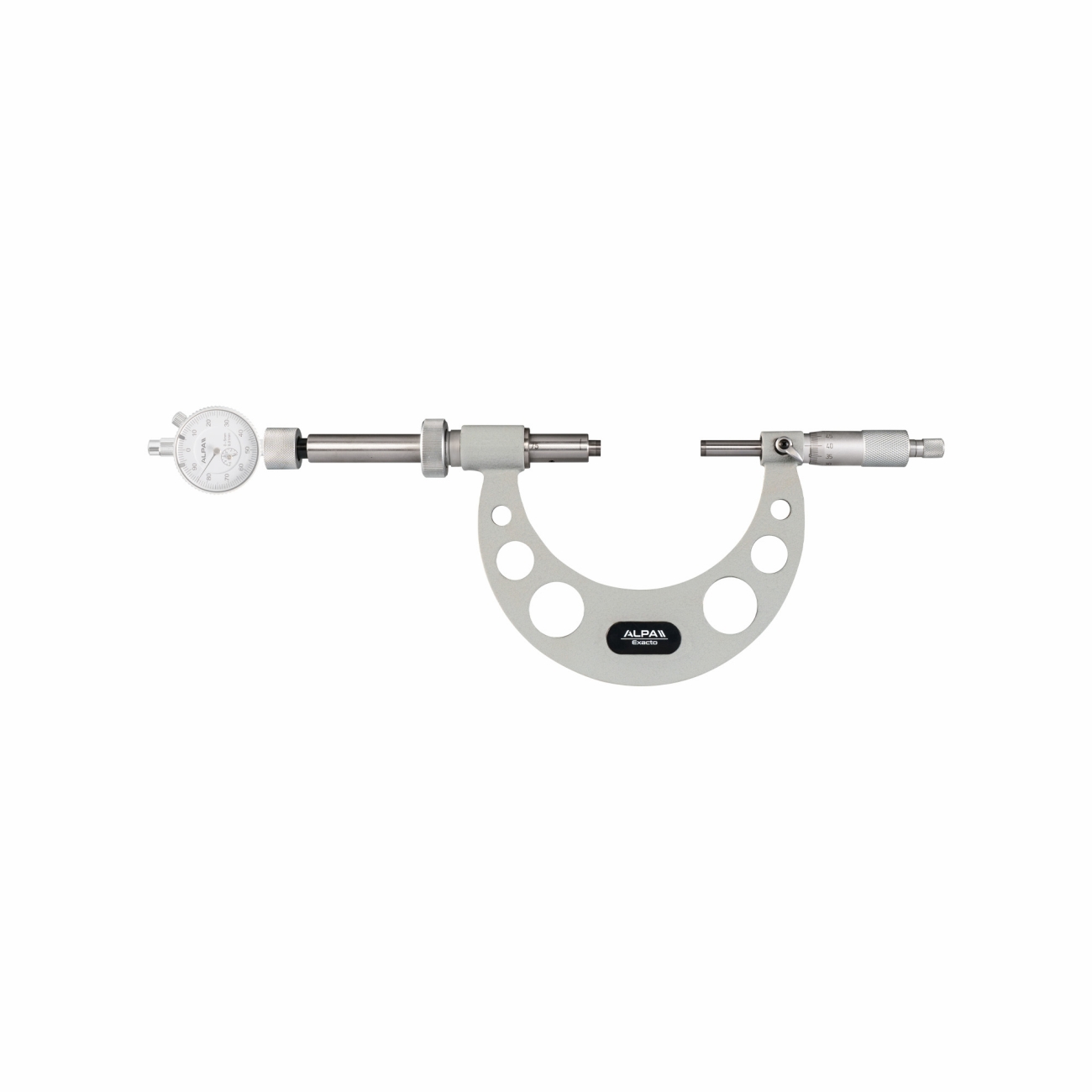
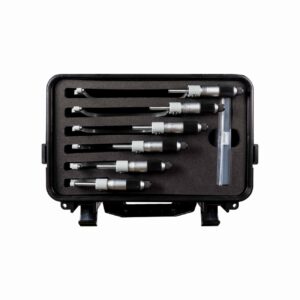
Analogue micrometers are measuring instruments that use a mechanical system to determine the size of an object. They consist of a U-shaped frame, a graduated drum, a threaded rod and a measuring rod. Operation is based on the micrometer screw principle, where rotation of the graduated drum moves the measuring rod back and forth, allowing the measurement to be read directly on the graduated scale.
Analogue micrometers find application in a wide range of industries. They are mainly used in machine shops to measure outside diameters, thicknesses and lengths of mechanical components. Their accuracy makes them indispensable in the production of parts requiring tight tolerances, such as gears, shafts and bearings. They are also used in the aerospace and automotive industries and in the production of precision instruments.
The use of analogue micrometers offers numerous advantages. Firstly, their accuracy is unparalleled, allowing accurate measurements down to fractions of a millimetre. Furthermore, they are robust and durable instruments, designed to withstand the harsh conditions of machine shops. Their ease of use makes them accessible even to less experienced operators, while maintenance is minimal, ensuring a long service life.
To obtain accurate measurements with an analogue micrometer, it is essential to follow a few guidelines. First of all, make sure that the instrument is calibrated correctly. When measuring, apply constant, even pressure to the object to be measured. It is important to read the graduated scale carefully, making sure the eye is aligned correctly to avoid parallax errors. Finally, store the micrometer in a clean, dry place to preserve its accuracy.
What is the difference between an analogue and a digital micrometer?
Analogue micrometers use a graduated scale for measurements, whereas digital micrometers provide an electronic reading. Analogue micrometers are often preferred for their robustness and simplicity.
How do you caliper an analogue micrometer?
Calibrating an analogue micrometer is done by using standard calibration blocks and adjusting the measuring rod until a correct reading is obtained.
What are the main parts of an analogue micrometer?
The main parts include the frame, the graduated drum, the threaded rod, the measuring rod and the clamping stop.
What is the typical accuracy of an analogue micrometer?
The typical accuracy of an analogue micrometer is 0.01 mm, but may vary depending on the model and quality of the instrument.
How do you read an analogue micrometer?
The reading is made by observing the position of the measuring rod on the graduated scale and adding up the readings of the drum and the main scale.
What materials can be measured with an analogue micrometer?
Analogue micrometers can measure a wide range of materials, including metals, plastics and wood, as long as the surfaces are smooth and even.
How do I keep an analogue micrometer in good condition?
To keep a micrometer in good condition, it is important to clean it regularly, lubricate moving parts and store it in a dry environment.
What are the limits of an analogue micrometer?
Limitations include the difficulty of measuring uneven surfaces and the need for good lighting to read the graduated scale correctly.
Why choose an analogue micrometer over a digital one?
Many professionals prefer analogue micrometers for their reliability, durability and ability to operate without batteries.
What are the best practices for using an analogue micrometer?
Best practices include regular calibration, applying constant pressure while measuring and storing in a safe place.
What are analogue micrometers and how they work
Analogue micrometers are measuring instruments that use a mechanical system to determine the size of an object. They consist of a U-shaped frame, a graduated drum, a threaded rod and a measuring rod. Operation is based on the micrometer screw principle, where rotation of the graduated drum moves the measuring rod back and forth, allowing the measurement to be read directly on the graduated scale.
Practical applications of analogue micrometers
Analogue micrometers find application in a wide range of industries. They are mainly used in machine shops to measure outside diameters, thicknesses and lengths of mechanical components. Their accuracy makes them indispensable in the production of parts requiring tight tolerances, such as gears, shafts and bearings. They are also used in the aerospace and automotive industries and in the production of precision instruments.
Advantages of using analogue micrometers
The use of analogue micrometers offers numerous advantages. Firstly, their accuracy is unparalleled, allowing accurate measurements down to fractions of a millimetre. Furthermore, they are robust and durable instruments, designed to withstand the harsh conditions of machine shops. Their ease of use makes them accessible even to less experienced operators, while maintenance is minimal, ensuring a long service life.
How to use an analogue micrometer correctly
To obtain accurate measurements with an analogue micrometer, it is essential to follow a few guidelines. First of all, make sure that the instrument is calibrated correctly. When measuring, apply constant, even pressure to the object to be measured. It is important to read the graduated scale carefully, making sure the eye is aligned correctly to avoid parallax errors. Finally, store the micrometer in a clean, dry place to preserve its accuracy.
Frequently asked questions about analogue micrometers
What is the difference between an analogue and a digital micrometer?
Analogue micrometers use a graduated scale for measurements, whereas digital micrometers provide an electronic reading. Analogue micrometers are often preferred for their robustness and simplicity.
How do you caliper an analogue micrometer?
Calibrating an analogue micrometer is done by using standard calibration blocks and adjusting the measuring rod until a correct reading is obtained.
What are the main parts of an analogue micrometer?
The main parts include the frame, the graduated drum, the threaded rod, the measuring rod and the clamping stop.
What is the typical accuracy of an analogue micrometer?
The typical accuracy of an analogue micrometer is 0.01 mm, but may vary depending on the model and quality of the instrument.
How do you read an analogue micrometer?
The reading is made by observing the position of the measuring rod on the graduated scale and adding up the readings of the drum and the main scale.
What materials can be measured with an analogue micrometer?
Analogue micrometers can measure a wide range of materials, including metals, plastics and wood, as long as the surfaces are smooth and even.
How do I keep an analogue micrometer in good condition?
To keep a micrometer in good condition, it is important to clean it regularly, lubricate moving parts and store it in a dry environment.
What are the limits of an analogue micrometer?
Limitations include the difficulty of measuring uneven surfaces and the need for good lighting to read the graduated scale correctly.
Why choose an analogue micrometer over a digital one?
Many professionals prefer analogue micrometers for their reliability, durability and ability to operate without batteries.
What are the best practices for using an analogue micrometer?
Best practices include regular calibration, applying constant pressure while measuring and storing in a safe place.
Showing 1–24 of 70 results