


Bore gauges represent one of the most crucial tools in the mechanical workshop and manufacturing industries. These precision instruments are designed to accurately measure bore diameters, ensuring that specifications are met with the utmost precision. In this article, we will explore in detail what bore gauges are, how they work, their advantages and practical applications in industry.
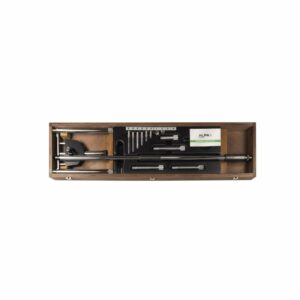
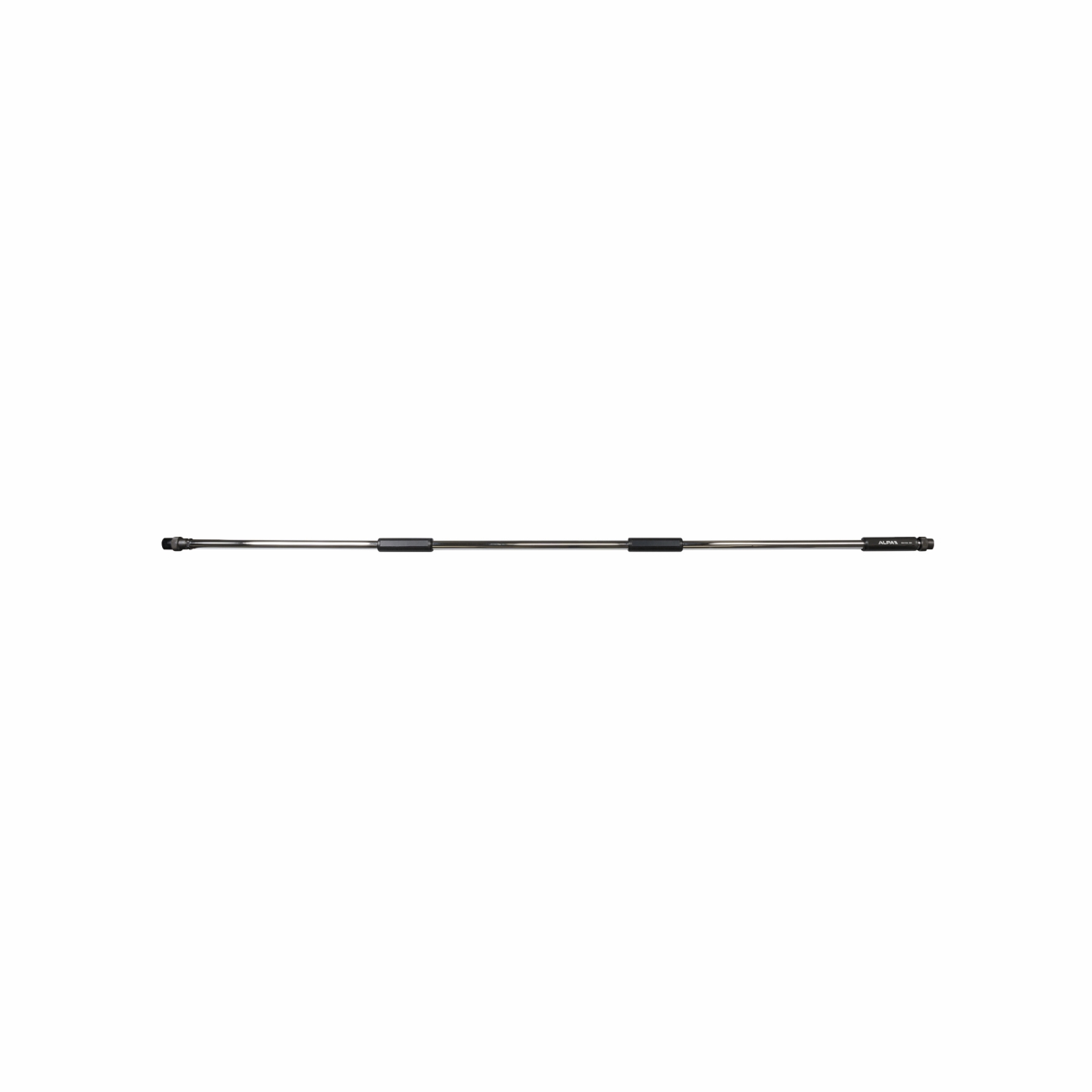
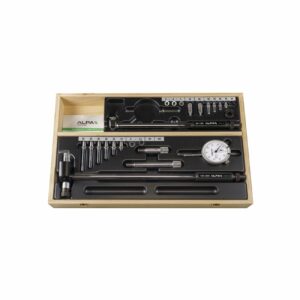
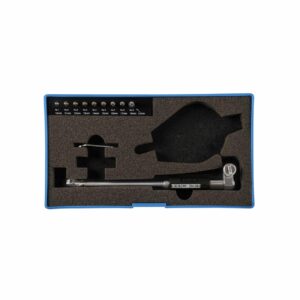
Reamers are measuring instruments used to determine the inside diameter of a bore with extreme precision. They consist of a graduated rod and a measuring system that can be mechanical or digital. Mechanical bore gauges use a dial gauge system, while digital ones provide direct readings on an electronic display. The choice between the two types depends on the specific needs of the application and the level of accuracy required.
Bore gauges find application in a wide range of industries, including automotive, aerospace, machinery manufacturing and many others. They are essential to ensure that mechanical components fit together perfectly, minimising the risk of assembly errors and improving operational efficiency. In addition, the use of bore gauges allows high quality standards to be maintained, reducing production costs associated with defects and rework.
The adoption of bore gauges in machine shops offers numerous advantages. First of all, they guarantee high measurement accuracy, which is essential for the production of high-quality mechanical components. Furthermore, they reduce the time required for quality control operations, increasing the overall efficiency of the production process. Digital bore gauges, in particular, offer superior ease of use due to their ability to provide fast and accurate readings.
Choosing the right bore gauge depends on several factors, including the type of material to be measured, the size of the hole and the level of accuracy required. It is also important to consider frequency of use and available budget. Mechanical bore gauges are generally cheaper, but require greater skill in interpreting readings. Digital bore gauges, on the other hand, offer greater ease of use and are ideal for applications requiring frequent and rapid measurements.
To ensure the longevity and accuracy of bore gauges, regular maintenance is essential. This includes cleaning the instruments after each use, periodic calibration and storage in a moisture- and dust-free environment. In addition, it is advisable to inspect bore gauges regularly for signs of wear or damage that could affect the accuracy of measurements.
What is the difference between a mechanical and a digital bore gauge?
Mechanical bore gauges use a dial for readings, whereas digital bore gauges provide direct readings on an electronic display.
How is a bore gauge calibrated?
Calibrating a bore meter requires the use of standard calibration rings to ensure that measurements are accurate.
What materials can be measured with a bore meter?
Reamers can measure a wide range of materials, including metals, plastics and ceramics.
Are bore gauges suitable for large measurements?
Yes, there are bore gauges designed to measure large holes, but it is important to choose the right model for the specific application.
What is the typical accuracy of a bore gauge?
The accuracy of a bore gauge can vary, but is generally around a few microns.
Do reamers require specific training for use?
Yes, it is advisable to receive adequate training to ensure the correct and safe use of bore gauges.
Can bore gauges be used in wet environments?
It is preferable to avoid using bore gauges in wet environments to prevent corrosion and ensure accurate measurements.
What are the temperature limits for the use of bore gauges?
Bore gauges should be used at room temperature to ensure accurate measurements.
Can bore gauges be used to measure tapered bores?
Standard bore gauges are designed to measure cylindrical holes, but there are specialised models for conical holes.
What are the alternatives to bore gauges for measuring bores?
Alternatives include calipers and micrometers, but bore gauges offer superior accuracy for internal holes.
What are bore gauges and how they work
Reamers are measuring instruments used to determine the inside diameter of a bore with extreme precision. They consist of a graduated rod and a measuring system that can be mechanical or digital. Mechanical bore gauges use a dial gauge system, while digital ones provide direct readings on an electronic display. The choice between the two types depends on the specific needs of the application and the level of accuracy required.
Practical applications of bore gauges in industry
Bore gauges find application in a wide range of industries, including automotive, aerospace, machinery manufacturing and many others. They are essential to ensure that mechanical components fit together perfectly, minimising the risk of assembly errors and improving operational efficiency. In addition, the use of bore gauges allows high quality standards to be maintained, reducing production costs associated with defects and rework.
Benefits of using bore gauges
The adoption of bore gauges in machine shops offers numerous advantages. First of all, they guarantee high measurement accuracy, which is essential for the production of high-quality mechanical components. Furthermore, they reduce the time required for quality control operations, increasing the overall efficiency of the production process. Digital bore gauges, in particular, offer superior ease of use due to their ability to provide fast and accurate readings.
How to choose the right bore gauge for your needs
Choosing the right bore gauge depends on several factors, including the type of material to be measured, the size of the hole and the level of accuracy required. It is also important to consider frequency of use and available budget. Mechanical bore gauges are generally cheaper, but require greater skill in interpreting readings. Digital bore gauges, on the other hand, offer greater ease of use and are ideal for applications requiring frequent and rapid measurements.
Maintenance and care of bore gauges
To ensure the longevity and accuracy of bore gauges, regular maintenance is essential. This includes cleaning the instruments after each use, periodic calibration and storage in a moisture- and dust-free environment. In addition, it is advisable to inspect bore gauges regularly for signs of wear or damage that could affect the accuracy of measurements.
Frequently asked questions about bore gauges
What is the difference between a mechanical and a digital bore gauge?
Mechanical bore gauges use a dial for readings, whereas digital bore gauges provide direct readings on an electronic display.
How is a bore gauge calibrated?
Calibrating a bore meter requires the use of standard calibration rings to ensure that measurements are accurate.
What materials can be measured with a bore meter?
Reamers can measure a wide range of materials, including metals, plastics and ceramics.
Are bore gauges suitable for large measurements?
Yes, there are bore gauges designed to measure large holes, but it is important to choose the right model for the specific application.
What is the typical accuracy of a bore gauge?
The accuracy of a bore gauge can vary, but is generally around a few microns.
Do reamers require specific training for use?
Yes, it is advisable to receive adequate training to ensure the correct and safe use of bore gauges.
Can bore gauges be used in wet environments?
It is preferable to avoid using bore gauges in wet environments to prevent corrosion and ensure accurate measurements.
What are the temperature limits for the use of bore gauges?
Bore gauges should be used at room temperature to ensure accurate measurements.
Can bore gauges be used to measure tapered bores?
Standard bore gauges are designed to measure cylindrical holes, but there are specialised models for conical holes.
What are the alternatives to bore gauges for measuring bores?
Alternatives include calipers and micrometers, but bore gauges offer superior accuracy for internal holes.
Showing all 13 results