



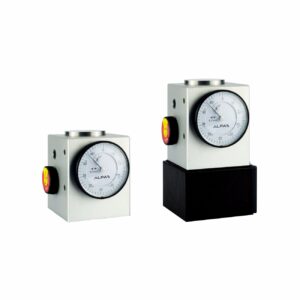
In the world of machine shops, precision is a crucial element in guaranteeing the quality and efficiency of production processes. Zero-setters and centring gauges are fundamental tools that enable impeccable results, minimising errors and optimising machining times. In this article, we will explore in detail what zero-setters and centring devices are, what they are used for, how they are used and what advantages they offer to machine shops.
Zero-setters and centring devices are measuring and positioning instruments used mainly in machining operations to ensure the correct position of workpieces. These instruments are designed to detect and correct misalignments, ensuring that components are perfectly centred and aligned with respect to the machining tools. Zero-setters are used to set the zero point of a machine tool, while centring tools help to position workpieces correctly on the spindle or worktable.
Zero setters and centring devices play a crucial role in ensuring the precision of machining operations. Their main function is to eliminate positioning errors that can compromise the quality of the final product. By using these tools, machine shops can ensure that each part is machined with maximum accuracy, minimising scrap and improving the overall efficiency of the production process.
The use of zeroers and centring devices requires specific technical skills and a good knowledge of machine tools. Zero setters are generally positioned on the machine spindle and used to set the zero point, which serves as a reference for all subsequent operations. Centring devices, on the other hand, are used to align the workpieces, ensuring that they are perfectly centred with respect to the machining tool. This process requires precision and attention to detail, as even a small positioning error can negatively affect the quality of the final product.
The adoption of zero-setters and centring devices in machine shops offers numerous advantages. First of all, these tools improve machining accuracy, minimising positioning errors and ensuring that every part is machined with the utmost precision. In addition, the use of zero-setters and centring tools helps reduce scrap, optimising the efficiency of the production process and reducing overall costs. Finally, these tools save time, as they allow the zero point to be set quickly and accurately and workpieces to be aligned.
What is the difference between a zeroiser and a centring tool?
Zero setters are used to set the zero point of a machine tool, while centring devices help to position workpieces correctly on the spindle or worktable.
How do I choose the right zero setter or centring device for a specific application?
The choice depends on the specific machining requirements, the size of the workpiece and the type of machine tool used.
What are the most common materials used for the construction of zero-setters and centring devices?
Zero setters and centring devices are generally made of hardened steel or high-strength composite materials to ensure durability and precision.
Can zero-setters and centring devices be used on CNC machines?
Yes, zeroers and centring devices are widely used on CNC machines to ensure the precision of automated machining.
What are the main challenges in using zeroers and centring devices?
The main challenges include the correct setting of the zero point and the precise alignment of parts, which require technical expertise and attention to detail.
How are the zero setters and centring devices maintained?
Maintenance includes regular cleaning, wear checking and periodic calibration to ensure the accuracy of the instruments.
What are the consequences of incorrect use of zeroers and centring devices?
Incorrect use can lead to positioning errors, compromising the quality of the final product and increasing rejects.
Are zeroers and centring devices compatible with all types of machine tools?
Compatibility depends on the specific model of the zeroiser or centring device and the features of the machine tool.
What are the recent innovations in the range of zeroers and centring devices?
Innovations include the integration of digital sensors and automated measuring systems to improve accuracy and efficiency.
How does the use of zeroers and centring devices affect the productivity of a machine shop?
The use of these tools improves machining accuracy, reduces scrap and optimises machining times, increasing overall productivity.
What are zeroers and centring devices?
Zero-setters and centring devices are measuring and positioning instruments used mainly in machining operations to ensure the correct position of workpieces. These instruments are designed to detect and correct misalignments, ensuring that components are perfectly centred and aligned with respect to the machining tools. Zero-setters are used to set the zero point of a machine tool, while centring tools help to position workpieces correctly on the spindle or worktable.
What are zeroers and centring devices used for?
Zero setters and centring devices play a crucial role in ensuring the precision of machining operations. Their main function is to eliminate positioning errors that can compromise the quality of the final product. By using these tools, machine shops can ensure that each part is machined with maximum accuracy, minimising scrap and improving the overall efficiency of the production process.
How are the zeroers and centring devices used?
The use of zeroers and centring devices requires specific technical skills and a good knowledge of machine tools. Zero setters are generally positioned on the machine spindle and used to set the zero point, which serves as a reference for all subsequent operations. Centring devices, on the other hand, are used to align the workpieces, ensuring that they are perfectly centred with respect to the machining tool. This process requires precision and attention to detail, as even a small positioning error can negatively affect the quality of the final product.
Advantages of using zeroers and centring devices
The adoption of zero-setters and centring devices in machine shops offers numerous advantages. First of all, these tools improve machining accuracy, minimising positioning errors and ensuring that every part is machined with the utmost precision. In addition, the use of zero-setters and centring tools helps reduce scrap, optimising the efficiency of the production process and reducing overall costs. Finally, these tools save time, as they allow the zero point to be set quickly and accurately and workpieces to be aligned.
FAQ on zeroers and centring devices
What is the difference between a zeroiser and a centring tool?
Zero setters are used to set the zero point of a machine tool, while centring devices help to position workpieces correctly on the spindle or worktable.
How do I choose the right zero setter or centring device for a specific application?
The choice depends on the specific machining requirements, the size of the workpiece and the type of machine tool used.
What are the most common materials used for the construction of zero-setters and centring devices?
Zero setters and centring devices are generally made of hardened steel or high-strength composite materials to ensure durability and precision.
Can zero-setters and centring devices be used on CNC machines?
Yes, zeroers and centring devices are widely used on CNC machines to ensure the precision of automated machining.
What are the main challenges in using zeroers and centring devices?
The main challenges include the correct setting of the zero point and the precise alignment of parts, which require technical expertise and attention to detail.
How are the zero setters and centring devices maintained?
Maintenance includes regular cleaning, wear checking and periodic calibration to ensure the accuracy of the instruments.
What are the consequences of incorrect use of zeroers and centring devices?
Incorrect use can lead to positioning errors, compromising the quality of the final product and increasing rejects.
Are zeroers and centring devices compatible with all types of machine tools?
Compatibility depends on the specific model of the zeroiser or centring device and the features of the machine tool.
What are the recent innovations in the range of zeroers and centring devices?
Innovations include the integration of digital sensors and automated measuring systems to improve accuracy and efficiency.
How does the use of zeroers and centring devices affect the productivity of a machine shop?
The use of these tools improves machining accuracy, reduces scrap and optimises machining times, increasing overall productivity.
Showing the single result