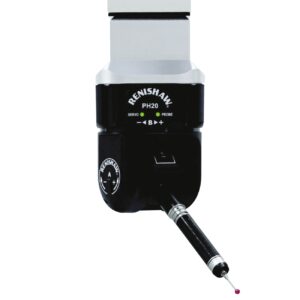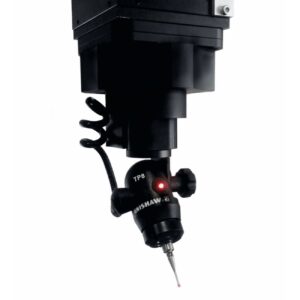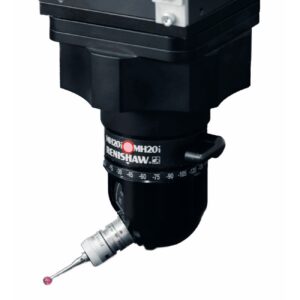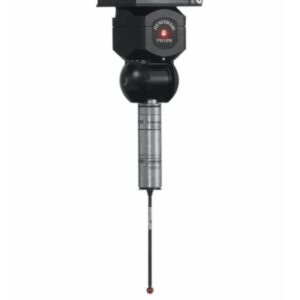



Coordinate measuring machines, commonly known as CMMs, are an essential tool in machine shops and industrial production. These machines are designed to accurately measure the physical dimensions of an object, ensuring that the components produced meet design specifications. Their ability to provide accurate three-dimensional measurements makes them indispensable for quality control and conformity assurance in manufacturing processes.
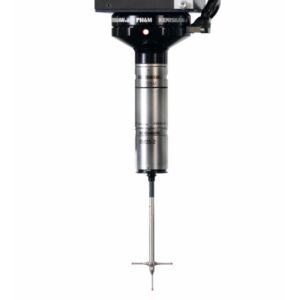
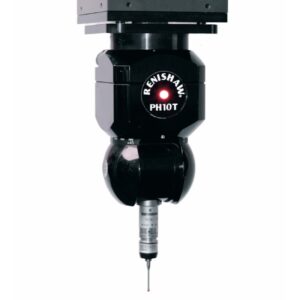
CMMs operate by means of a three-dimensional co-ordinate system that allows the dimensions of an object to be measured with extreme precision. They use a probe that moves along the X, Y and Z axes to collect data on the object's surfaces. This data is then processed by software that calculates the exact dimensions and compares them to the required specifications. CMMs can be manual, where the operator guides the probe, or automatic, where motion is controlled by a computer.
CMMs find application in a wide range of industries, including automotive, aerospace, electronics and tool manufacturing. They are used to check the accuracy of complex components such as gears, motor shafts and printed circuit boards. Their ability to provide detailed and accurate measurements is critical to ensuring that end products meet the required quality standards.
The use of CMMs offers numerous advantages. First of all, they significantly improve measurement accuracy compared to traditional methods. They also reduce the time needed for quality control, increasing production efficiency. CMMs are also able to detect defects that may not be visible to the naked eye, helping to reduce scrap and the costs associated with producing defective components.
Choosing the right CMM depends on several factors, including the size of the objects to be measured, the level of accuracy required and the available budget. The type of probe used is also important to consider, as different probes offer different levels of accuracy and speed. In addition, the data processing software must be intuitive and able to integrate with existing shop floor systems.
To ensure that CMMs maintain their accuracy over time, regular maintenance and calibration is essential. Calibration ensures that the machine provides accurate measurements, while preventive maintenance helps to avoid breakdowns and extend the life of the machine. It is advisable to follow the manufacturer's guidelines for maintenance and calibration.
In recent years, CMMs have benefited from numerous technological innovations. The integration of advanced sensors and data analysis software has improved the accuracy and speed of measurements. In addition, the adoption of automation and artificial intelligence technologies has made CMMs more efficient and easier to use. These innovations are transforming the way machine shops manage quality control.
What is a CMM?
A CMM is an instrument used to measure the physical dimensions of an object in three dimensions with high accuracy.
How does a CMM work?
A CMM uses a probe that moves along the X, Y and Z axes to collect data on the surfaces of an object, which is then processed by software.
What are the main advantages of CMMs?
CMMs offer measurement accuracy, reduced quality control time and the ability to detect defects not visible to the naked eye.
In which sectors are CMMs used?
CMMs are used in industries such as automotive, aerospace, electronics and tool manufacturing.
What types of CMMs are available?
There are manual CMMs, where the operator guides the probe, and automatic CMMs, which are controlled by a computer.
How do I choose the right CMM?
The choice depends on the size of the objects to be measured, the level of accuracy required and the available budget.
What is the importance of CMM calibration?
Calibration ensures that the CMM provides accurate measurements and maintains its accuracy over time.
What technological innovations have improved CMMs?
The integration of advanced sensors, data analysis software and automation technologies has improved the performance of CMMs.
How do I maintain a CMM?
Regular maintenance and calibration are essential to ensure accuracy and prolong the life of the CMM.
What are the challenges in using CMMs?
Challenges include the need for training in proper use and managing maintenance and calibration costs.
How CMMs work
CMMs operate by means of a three-dimensional co-ordinate system that allows the dimensions of an object to be measured with extreme precision. They use a probe that moves along the X, Y and Z axes to collect data on the object's surfaces. This data is then processed by software that calculates the exact dimensions and compares them to the required specifications. CMMs can be manual, where the operator guides the probe, or automatic, where motion is controlled by a computer.
Applications of CMMs
CMMs find application in a wide range of industries, including automotive, aerospace, electronics and tool manufacturing. They are used to check the accuracy of complex components such as gears, motor shafts and printed circuit boards. Their ability to provide detailed and accurate measurements is critical to ensuring that end products meet the required quality standards.
Advantages of CMMs
The use of CMMs offers numerous advantages. First of all, they significantly improve measurement accuracy compared to traditional methods. They also reduce the time needed for quality control, increasing production efficiency. CMMs are also able to detect defects that may not be visible to the naked eye, helping to reduce scrap and the costs associated with producing defective components.
How to choose the right CMM
Choosing the right CMM depends on several factors, including the size of the objects to be measured, the level of accuracy required and the available budget. The type of probe used is also important to consider, as different probes offer different levels of accuracy and speed. In addition, the data processing software must be intuitive and able to integrate with existing shop floor systems.
Maintenance and calibration of CMMs
To ensure that CMMs maintain their accuracy over time, regular maintenance and calibration is essential. Calibration ensures that the machine provides accurate measurements, while preventive maintenance helps to avoid breakdowns and extend the life of the machine. It is advisable to follow the manufacturer's guidelines for maintenance and calibration.
Technological innovations in CMMs
In recent years, CMMs have benefited from numerous technological innovations. The integration of advanced sensors and data analysis software has improved the accuracy and speed of measurements. In addition, the adoption of automation and artificial intelligence technologies has made CMMs more efficient and easier to use. These innovations are transforming the way machine shops manage quality control.
Frequently asked questions about CMMs
What is a CMM?
A CMM is an instrument used to measure the physical dimensions of an object in three dimensions with high accuracy.
How does a CMM work?
A CMM uses a probe that moves along the X, Y and Z axes to collect data on the surfaces of an object, which is then processed by software.
What are the main advantages of CMMs?
CMMs offer measurement accuracy, reduced quality control time and the ability to detect defects not visible to the naked eye.
In which sectors are CMMs used?
CMMs are used in industries such as automotive, aerospace, electronics and tool manufacturing.
What types of CMMs are available?
There are manual CMMs, where the operator guides the probe, and automatic CMMs, which are controlled by a computer.
How do I choose the right CMM?
The choice depends on the size of the objects to be measured, the level of accuracy required and the available budget.
What is the importance of CMM calibration?
Calibration ensures that the CMM provides accurate measurements and maintains its accuracy over time.
What technological innovations have improved CMMs?
The integration of advanced sensors, data analysis software and automation technologies has improved the performance of CMMs.
How do I maintain a CMM?
Regular maintenance and calibration are essential to ensure accuracy and prolong the life of the CMM.
What are the challenges in using CMMs?
Challenges include the need for training in proper use and managing maintenance and calibration costs.
Showing 25–31 of 31 results