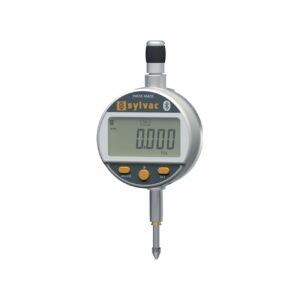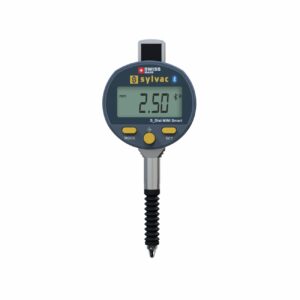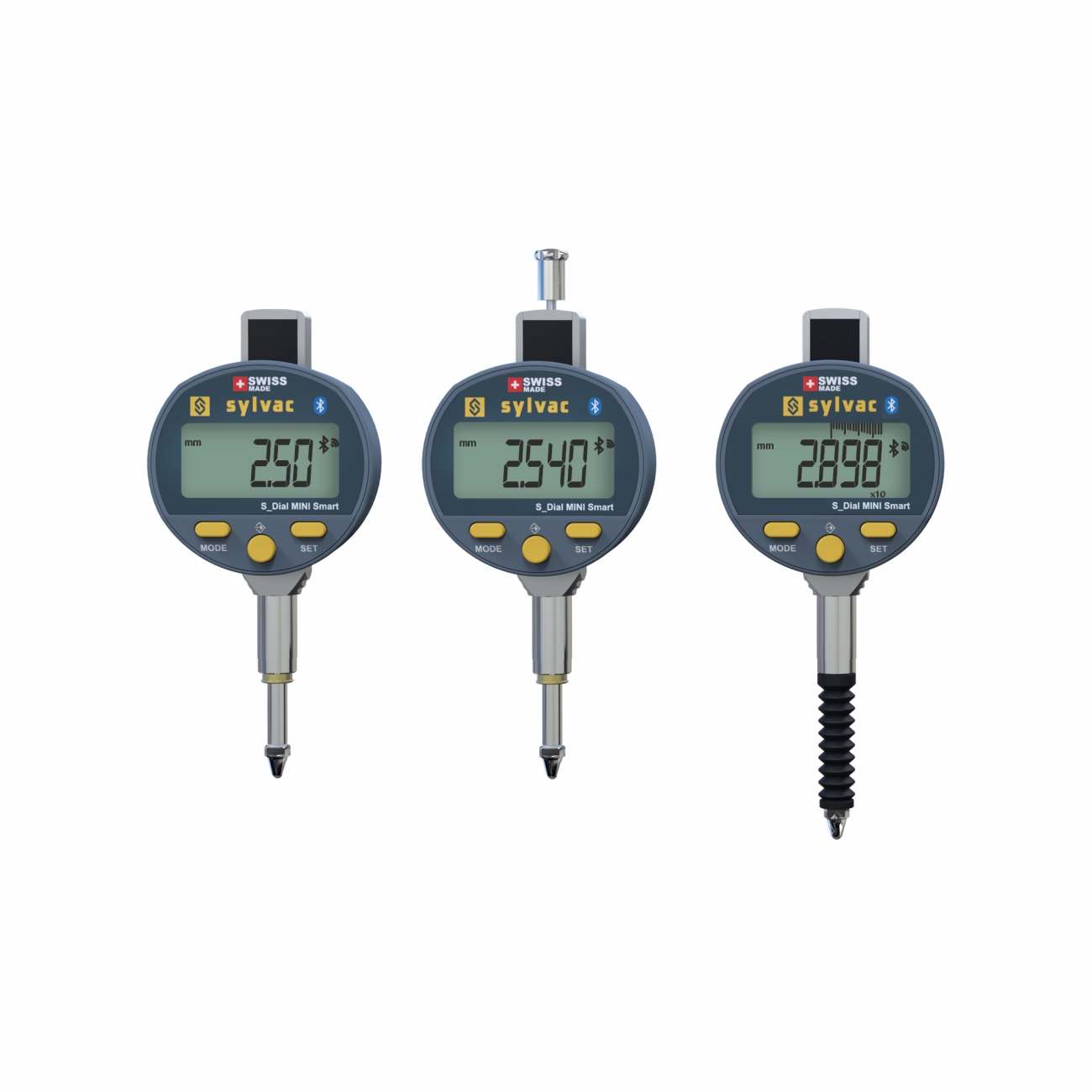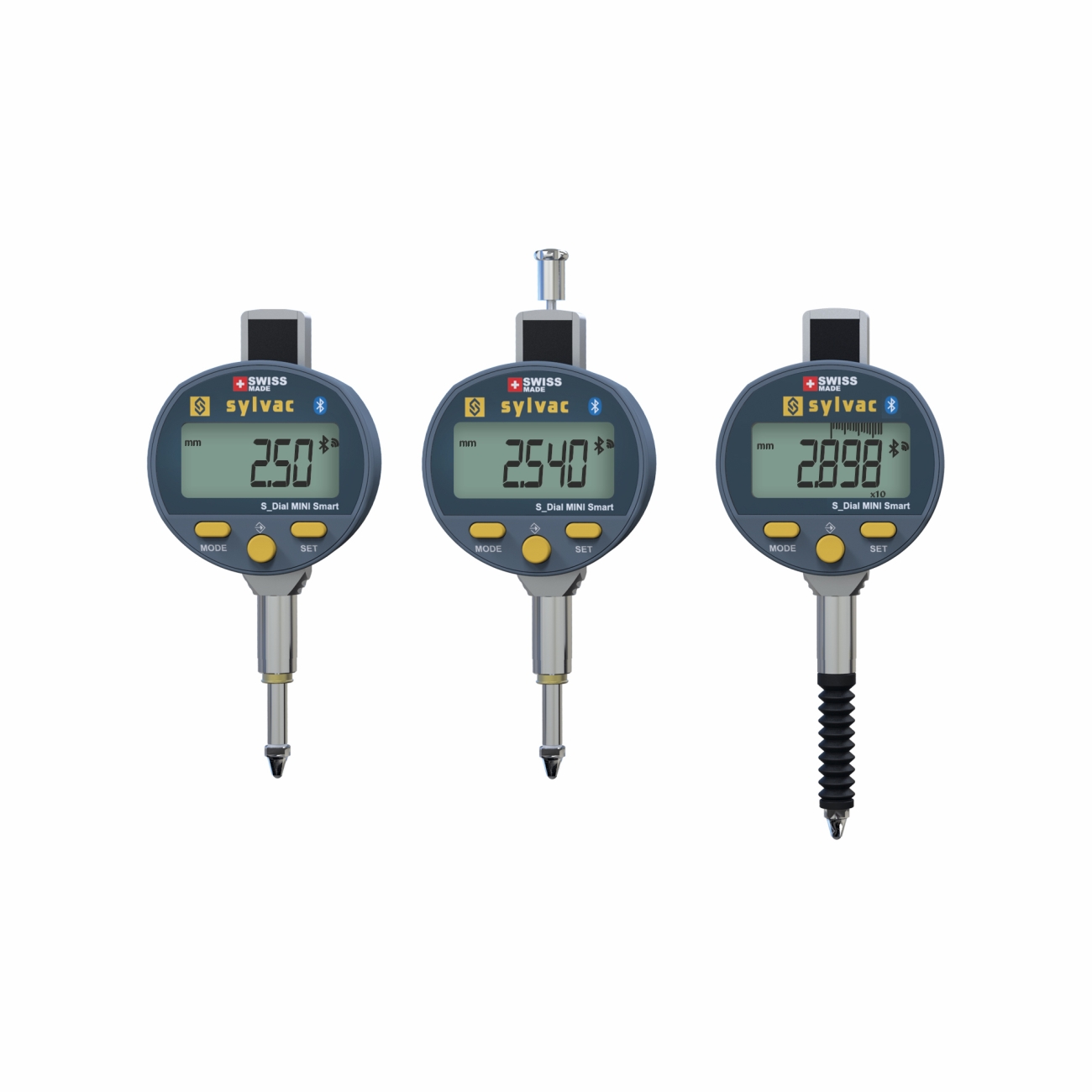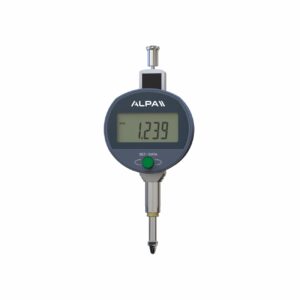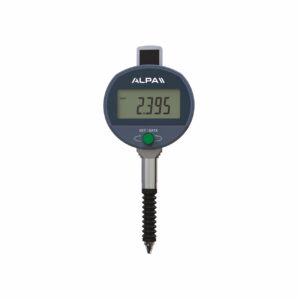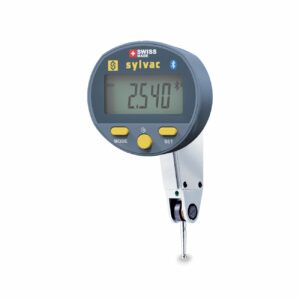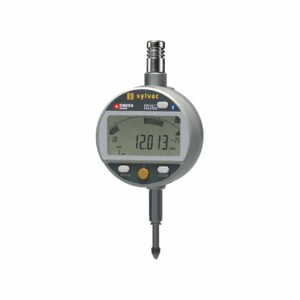



In the context of machine shops and manufacturing industries, accuracy and precision are fundamental elements to guarantee product quality and efficient production processes. Digital dial gauges are an essential tool to achieve these goals, offering precise and reliable measurements. In this in-depth discussion, we will explore what digital dial gauges are, what they are used for, how they are used and what advantages they offer over other measurement technologies.
Digital dial gauges are measuring instruments used to determine small dimensional variations in an object. Unlike analogue dial gauges, which use a dial with a pointer to indicate measurements, digital dial gauges provide readings on a digital display, improving accuracy and ease of reading. These instruments are commonly used in machine shops to measure flatness, roundness and other geometric features of mechanical components.
The use of digital dial gauges in machine shops is essential to ensure that the components produced meet design specifications. These instruments are often used during the quality control process to verify that the dimensions of parts are within the specified tolerances. Digital dial gauges can be mounted on fixed fixtures or used manually, depending on the specific needs of the application.
Digital dial gauges offer several advantages over analogue models. First of all, digital readout eliminates the human error associated with interpreting the hands on a dial. In addition, many digital dial gauges are equipped with advanced features, such as the ability to store measurements, transfer data to a computer for analysis and set alarms to signal when measurements exceed predefined tolerances. These FEATURES make digital dial gauges indispensable tools for modern machine shops.
Choosing the right digital dial indicator depends on several factors, including the required accuracy, measurement range and desired additional functionality. It is also important to consider the robustness of the instrument, especially if it will be used in harsh working environments. Some models offer water and dust resistance, making them ideal for use in machine shops.
To ensure the longevity and accuracy of digital dial gauges, regular maintenance is essential. This includes cleaning the instrument to remove dust and debris, periodic calibration to ensure accurate measurements, and battery replacement when necessary. Proper maintenance not only prolongs the life of the instrument, but also ensures that measurements are always reliable.
What is the difference between a digital and an analogue dial indicator?
The main difference lies in the method of displaying measurements: digital dial gauges use an electronic display, whereas analogue dial gauges use a dial with a pointer.
How do you calibrate a digital dial gauge?
The calibration of a digital dial indicator is usually performed using certified calibration blocks to ensure that measurements are accurate.
What are the common applications of digital dial gauges?
Digital dial gauges are commonly used to measure flatness, roundness and other geometric features of mechanical components.
Can digital dial gauges be used in wet environments?
Yes, many models of digital dial gauges are designed to resist moisture and dust, making them suitable for use in harsh environments.
What is the typical accuracy of a digital dial indicator?
The accuracy of a digital dial indicator varies depending on the model, but many offer accuracy down to 0.001 millimetres.
Can a digital dial indicator be connected to a computer?
Yes, many digital dial gauges have connection ports to transfer data to a computer for analysis.
How often do I need to calibrate a digital dial indicator?
The frequency of calibration depends on the use of the instrument, but it is recommended to calibrate at least once a year.
Are digital dial gauges suitable for large measurements?
Digital dial gauges are generally used for measurements of small dimensional variations, but there are models with wider measuring ranges.
What are the advanced features of digital dial gauges?
Advanced features may include data storage, computer connectivity and the ability to set tolerance alarms.
How is a digital dial indicator maintained?
Maintenance includes regular cleaning, periodic calibration and replacement of batteries when necessary.
What are digital dial gauges?
Digital dial gauges are measuring instruments used to determine small dimensional variations in an object. Unlike analogue dial gauges, which use a dial with a pointer to indicate measurements, digital dial gauges provide readings on a digital display, improving accuracy and ease of reading. These instruments are commonly used in machine shops to measure flatness, roundness and other geometric features of mechanical components.
Use of digital dial gauges in machine shops
The use of digital dial gauges in machine shops is essential to ensure that the components produced meet design specifications. These instruments are often used during the quality control process to verify that the dimensions of parts are within the specified tolerances. Digital dial gauges can be mounted on fixed fixtures or used manually, depending on the specific needs of the application.
Advantages of digital dial gauges compared to analogue models
Digital dial gauges offer several advantages over analogue models. First of all, digital readout eliminates the human error associated with interpreting the hands on a dial. In addition, many digital dial gauges are equipped with advanced features, such as the ability to store measurements, transfer data to a computer for analysis and set alarms to signal when measurements exceed predefined tolerances. These FEATURES make digital dial gauges indispensable tools for modern machine shops.
How to choose the right digital dial indicator
Choosing the right digital dial indicator depends on several factors, including the required accuracy, measurement range and desired additional functionality. It is also important to consider the robustness of the instrument, especially if it will be used in harsh working environments. Some models offer water and dust resistance, making them ideal for use in machine shops.
Maintenance and care of digital dial gauges
To ensure the longevity and accuracy of digital dial gauges, regular maintenance is essential. This includes cleaning the instrument to remove dust and debris, periodic calibration to ensure accurate measurements, and battery replacement when necessary. Proper maintenance not only prolongs the life of the instrument, but also ensures that measurements are always reliable.
FAQ about digital dial gauges
What is the difference between a digital and an analogue dial indicator?
The main difference lies in the method of displaying measurements: digital dial gauges use an electronic display, whereas analogue dial gauges use a dial with a pointer.
How do you calibrate a digital dial gauge?
The calibration of a digital dial indicator is usually performed using certified calibration blocks to ensure that measurements are accurate.
What are the common applications of digital dial gauges?
Digital dial gauges are commonly used to measure flatness, roundness and other geometric features of mechanical components.
Can digital dial gauges be used in wet environments?
Yes, many models of digital dial gauges are designed to resist moisture and dust, making them suitable for use in harsh environments.
What is the typical accuracy of a digital dial indicator?
The accuracy of a digital dial indicator varies depending on the model, but many offer accuracy down to 0.001 millimetres.
Can a digital dial indicator be connected to a computer?
Yes, many digital dial gauges have connection ports to transfer data to a computer for analysis.
How often do I need to calibrate a digital dial indicator?
The frequency of calibration depends on the use of the instrument, but it is recommended to calibrate at least once a year.
Are digital dial gauges suitable for large measurements?
Digital dial gauges are generally used for measurements of small dimensional variations, but there are models with wider measuring ranges.
What are the advanced features of digital dial gauges?
Advanced features may include data storage, computer connectivity and the ability to set tolerance alarms.
How is a digital dial indicator maintained?
Maintenance includes regular cleaning, periodic calibration and replacement of batteries when necessary.
Showing all 13 results