In the world of mechanical workshops, precision is essential. Every millimetre counts and can make the difference between a high-quality product and a reject. Height gauges are indispensable tools for ensuring that every component is manufactured with the utmost accuracy. These tools, also known as height gauges, are designed to measure the height of an object relative to a reference surface, usually a granite plate. In this article, we will explore in detail what height gauges are, how they work, their advantages and how they can be used effectively in machine shops.
What are height gauges and how do they work?
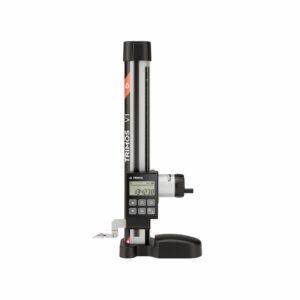
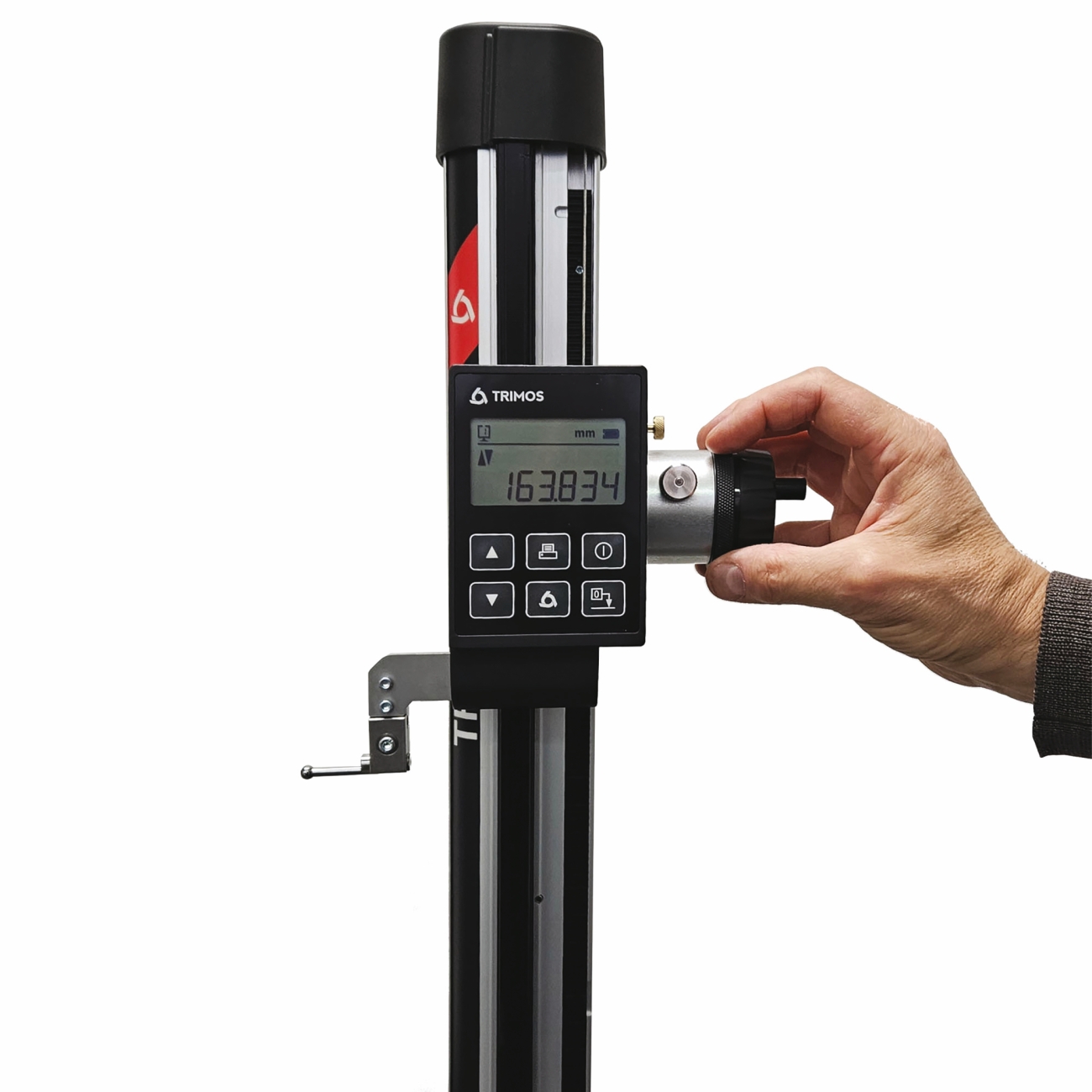
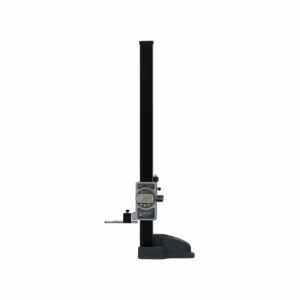
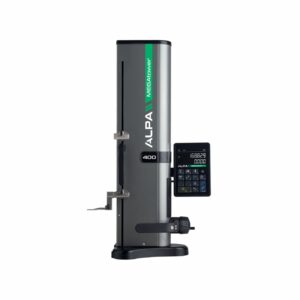
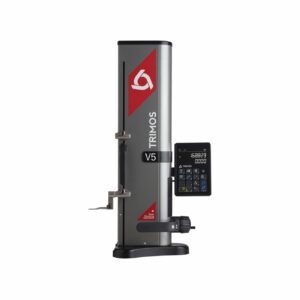
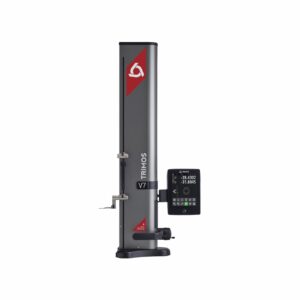
Height gauges are precision measuring instruments used to determine the height of an object relative to a reference surface. These instruments feature a stable base and a graduated vertical rod, which allows the height to be read accurately. Some advanced models feature digital displays that provide immediate and accurate readings. The operating principle is based on the ability to measure the vertical distance between the base and the highest point of the object being measured.
Practical applications of height gauges in mechanical workshops
In mechanical workshops, height gauges are used for a variety of applications. They are essential for quality control, where they are used to verify that component dimensions comply with design specifications. Furthermore, they are used to set up machine tools, ensuring that the tools are positioned correctly to make precise cuts. These instruments are also used in the calibration of other measuring instruments, ensuring that all equipment is aligned and functioning correctly.
Advantages of using height gauges
The use of height gauges offers numerous advantages. Firstly, they ensure precise and reliable measurements, reducing the risk of human error. This is particularly important in machine shops, where even a small error can compromise the entire production process. Furthermore, height gauges are versatile tools that can be used for a wide range of applications, making them a valuable investment for any workshop. Finally, the use of these tools can improve operational efficiency, reducing the time needed to carry out measurements and quality checks.
How to use height gauges correctly
To get the most out of height gauges, it is important to use them correctly. Firstly, ensure that the reference surface is clean and free of debris, as even small particles can affect the accuracy of measurements. Place the object to be measured on the reference surface and adjust the graduated rod until it touches the highest point of the object. Read the measurement on the rod or the digital display. It is important to calibrate the height gauge regularly to ensure that measurements are always accurate.
FAQs on height gauges
What is the difference between a digital and an analogue height gauge? Digital height gauges provide immediate readings on a display, whilst analogue ones require manual reading of the graduated scales.How do you calibrate a height gauge? Calibrating a height gauge requires the use of certified calibration blocks to check and adjust the instrument’s accuracy.What materials are used for the base of height gauges? The bases of height gauges are usually made of granite or steel to ensure stability and wear resistance.Can a height gauge be used to measure large objects? Yes, but you may need to use extensions or accessories to measure particularly large objects.What are the leading brands of height gauges? Some of the leading brands include Mitutoyo, Starrett and Brown & Sharpe, known for their precision and reliability.How do you clean a height gauge? Clean the base and rod regularly with a soft, dry cloth to remove dust and debris.What is the typical accuracy of a height gauge? Accuracy varies depending on the model, but many height gauges offer accuracies down to 0.01 mm.Can height gauges be used in damp environments? It is preferable to use height gauges in dry environments to prevent corrosion and ensure accurate measurements.What accessories are available for height gauges? Common accessories include interchangeable contact tips, extensions and magnetic bases.How do you choose the right height gauge for a workshop? Consider the specific needs of the workshop, such as the required accuracy, the size of the objects to be measured and the available budget.