


In the mechanical industry, precision is a crucial element in ensuring product quality and reliability. Digital micrometers are an essential tool for obtaining accurate and repeatable measurements, fundamental for quality control and the production of high-precision mechanical components. In this article, we will explore in detail what digital micrometers are, what they are used for, how they are used, the advantages they offer, and answer frequently asked questions about this indispensable tool.
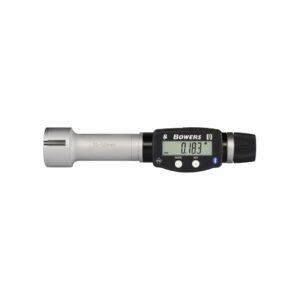
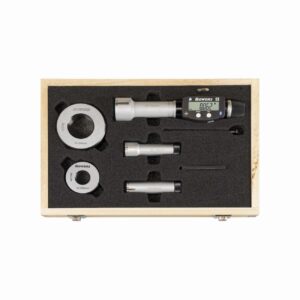
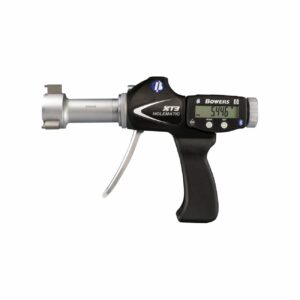
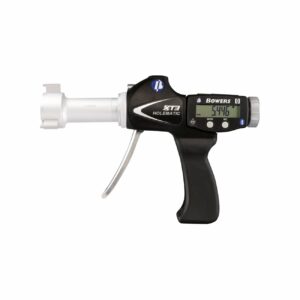
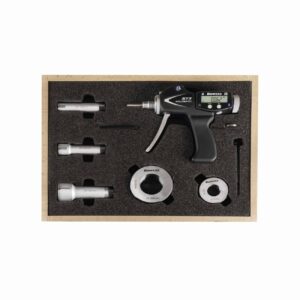
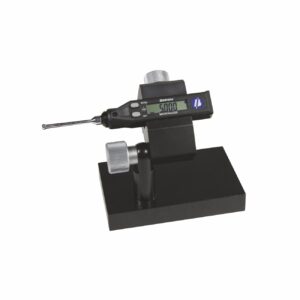
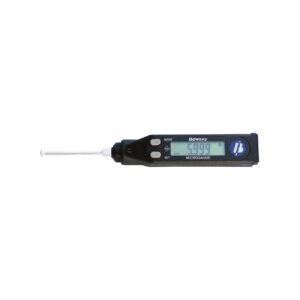
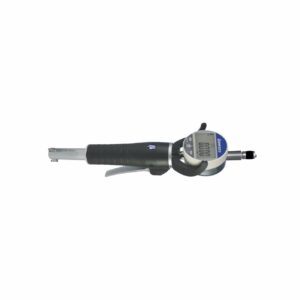
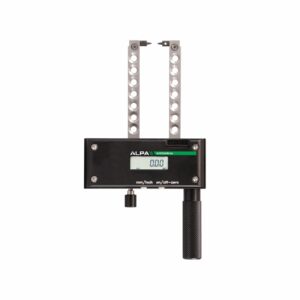
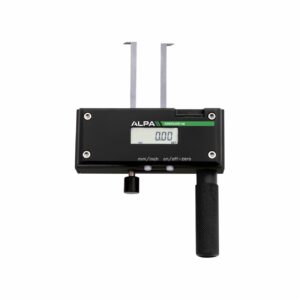
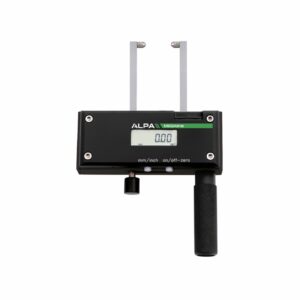
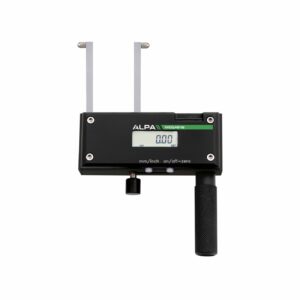
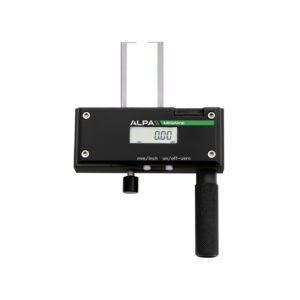
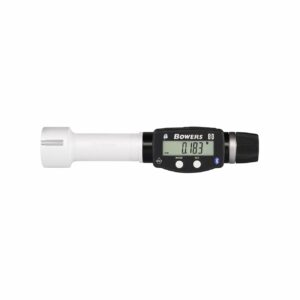
Digital micrometers are measuring instruments used to precisely determine the dimensions of an object. Unlike traditional micrometers, which use a graduated scale for reading, digital micrometers provide an electronic reading on a digital display. This not only facilitates the reading of measurements, but also reduces the margin of human error, improving the reliability of the collected data.
In mechanical workshops, digital micrometers are used for a wide range of applications. They are essential for measuring the outside diameter of shafts, sheet thicknesses, and other critical dimensions of mechanical components. Their accuracy is essential to ensure that the parts produced meet the tolerances specified in the technical drawings, thus ensuring the interchangeability and proper functioning of the assembled components.
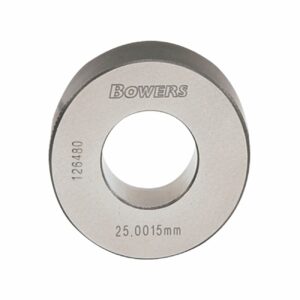
Using a digital micrometer requires some familiarity with the instrument, but once the basics are learnt, the process is relatively simple. First of all, it is important to caliper the micrometer to ensure that measurements are accurate. This can be done using a calibration block of known dimensions. Once calibrated, the micrometer is placed on the object to be measured, and the jaws are closed gently until they touch the surface of the object. The measurement is then shown on the digital display, allowing for a quick and accurate reading.
Digital micrometers offer several advantages over their analogue counterparts. First of all, the digital reading eliminates parallax error, which is common in traditional micrometers. In addition, many digital models offer additional features, such as the possibility of transferring measurement data to a computer for statistical analysis, storage of measurements and conversion between metric and imperial units of measurement. These FEATURES make digital micrometers extremely versatile instruments suitable for a wide range of industrial applications.
What is the typical accuracy of a digital micrometer?
The accuracy of a digital micrometer varies depending on the model, but is generally around ±0.001 mm, making it an extremely accurate instrument for critical measurements.
How is a digital micrometer calibrated?
Calibrating a digital micrometer is done using a calibration block of known dimensions. The micrometer is adjusted until the reading on the display matches the block size.
Can digital micrometers measure in both millimetres and inches?
Yes, many digital micrometers offer the possibility to convert measurements between metric and imperial units, facilitating work in international environments.
What are the most common applications of digital micrometers?
Digital micrometers are commonly used to measure outside diameters, sheet thicknesses, and other critical dimensions in mechanical components.
Is it possible to transfer measurement data from a digital micrometer to a computer?
Yes, many digital micrometer models are equipped with interfaces for transferring data to a computer, facilitating the analysis and recording of measurements.
What are the differences between a digital and an analogue micrometer?
The main difference is the reading mode: digital micrometers provide an electronic reading on a display, whereas analogue micrometers use a graduated scale.
How do you keep a digital micrometer in good condition?
It is important to regularly clean the jaws and body of the micrometer, avoid shocks and store the instrument in a dry environment to prevent corrosion.
Are digital micrometers suitable for measurements in harsh environments?
Many digital micrometers are designed to withstand harsh environmental conditions, but it is always advisable to check the manufacturer's specifications.
What is the battery life of a digital micrometer?
Battery life varies depending on model and use, but generally a battery can last several months with regular use.
Can a digital micrometer be used to measure uneven surfaces?
Digital micrometers are designed to measure smooth, even surfaces. For irregular surfaces, alternative measuring instruments may be required.
What are digital micrometers?
Digital micrometers are measuring instruments used to precisely determine the dimensions of an object. Unlike traditional micrometers, which use a graduated scale for reading, digital micrometers provide an electronic reading on a digital display. This not only facilitates the reading of measurements, but also reduces the margin of human error, improving the reliability of the collected data.
Use of digital micrometers in the mechanical industry
In mechanical workshops, digital micrometers are used for a wide range of applications. They are essential for measuring the outside diameter of shafts, sheet thicknesses, and other critical dimensions of mechanical components. Their accuracy is essential to ensure that the parts produced meet the tolerances specified in the technical drawings, thus ensuring the interchangeability and proper functioning of the assembled components.
How are digital micrometers used?
Using a digital micrometer requires some familiarity with the instrument, but once the basics are learnt, the process is relatively simple. First of all, it is important to caliper the micrometer to ensure that measurements are accurate. This can be done using a calibration block of known dimensions. Once calibrated, the micrometer is placed on the object to be measured, and the jaws are closed gently until they touch the surface of the object. The measurement is then shown on the digital display, allowing for a quick and accurate reading.
Advantages of digital micrometers
Digital micrometers offer several advantages over their analogue counterparts. First of all, the digital reading eliminates parallax error, which is common in traditional micrometers. In addition, many digital models offer additional features, such as the possibility of transferring measurement data to a computer for statistical analysis, storage of measurements and conversion between metric and imperial units of measurement. These FEATURES make digital micrometers extremely versatile instruments suitable for a wide range of industrial applications.
Frequently asked questions about digital micrometers
What is the typical accuracy of a digital micrometer?
The accuracy of a digital micrometer varies depending on the model, but is generally around ±0.001 mm, making it an extremely accurate instrument for critical measurements.
How is a digital micrometer calibrated?
Calibrating a digital micrometer is done using a calibration block of known dimensions. The micrometer is adjusted until the reading on the display matches the block size.
Can digital micrometers measure in both millimetres and inches?
Yes, many digital micrometers offer the possibility to convert measurements between metric and imperial units, facilitating work in international environments.
What are the most common applications of digital micrometers?
Digital micrometers are commonly used to measure outside diameters, sheet thicknesses, and other critical dimensions in mechanical components.
Is it possible to transfer measurement data from a digital micrometer to a computer?
Yes, many digital micrometer models are equipped with interfaces for transferring data to a computer, facilitating the analysis and recording of measurements.
What are the differences between a digital and an analogue micrometer?
The main difference is the reading mode: digital micrometers provide an electronic reading on a display, whereas analogue micrometers use a graduated scale.
How do you keep a digital micrometer in good condition?
It is important to regularly clean the jaws and body of the micrometer, avoid shocks and store the instrument in a dry environment to prevent corrosion.
Are digital micrometers suitable for measurements in harsh environments?
Many digital micrometers are designed to withstand harsh environmental conditions, but it is always advisable to check the manufacturer's specifications.
What is the battery life of a digital micrometer?
Battery life varies depending on model and use, but generally a battery can last several months with regular use.
Can a digital micrometer be used to measure uneven surfaces?
Digital micrometers are designed to measure smooth, even surfaces. For irregular surfaces, alternative measuring instruments may be required.
Showing 25–48 of 76 results