In the world of mechanical workshops, precision is paramount. Every millimetre counts and can make the difference between a high-quality product and a reject. Height gauges are indispensable tools for ensuring this precision. These devices, used to measure the height of components and mechanical parts, are essential for anyone working in the industrial manufacturing sector. In this article, we will explore in detail what height gauges are, how they work, their advantages, and answer the most frequently asked questions about these instruments.
What are height gauges and how do they work?
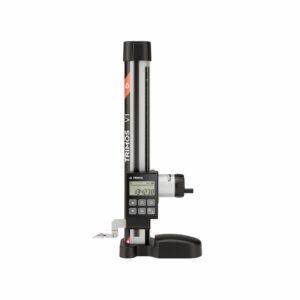
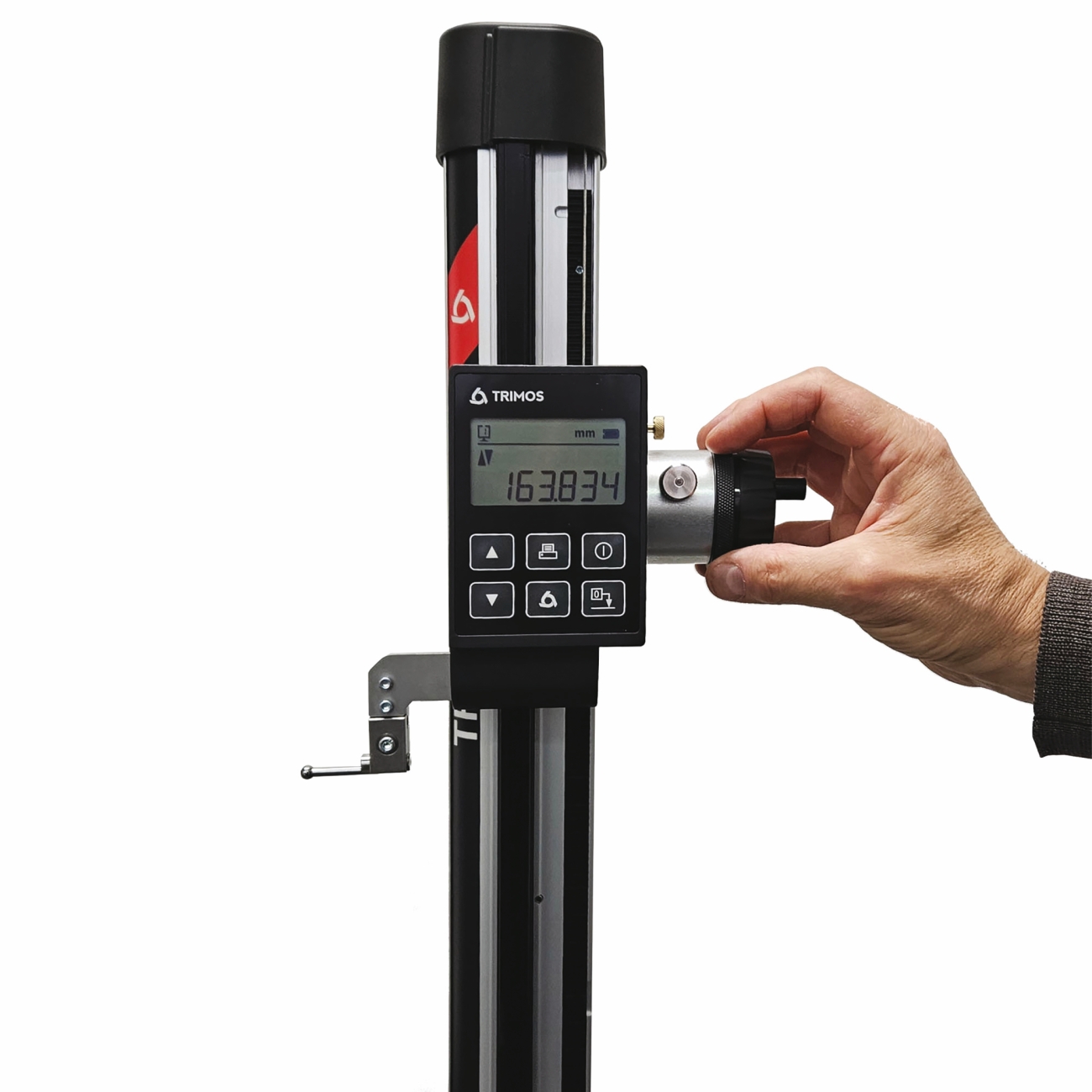
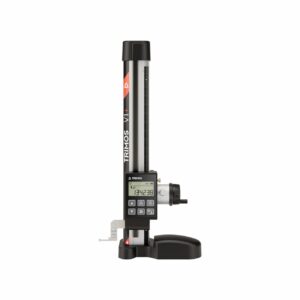
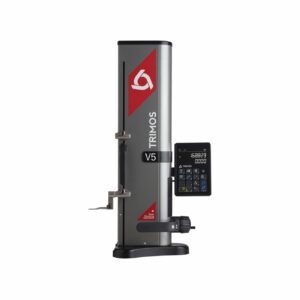
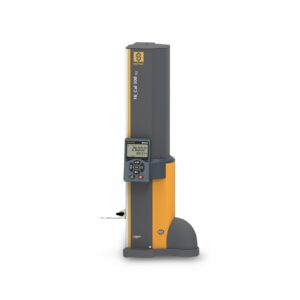
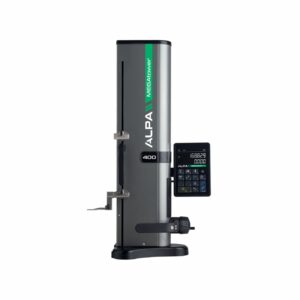
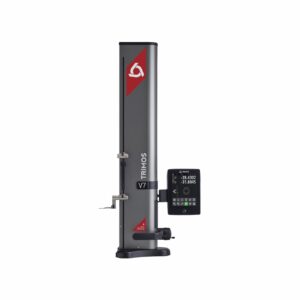
Height gauges are measuring instruments used to determine the height of an object relative to a reference surface. These instruments are fitted with a stable base and a graduated vertical rod, which allows the measured height to be read accurately. Some advanced models include digital displays for easier and more accurate readings. Height gauges can be manual or digital, and the choice between the two depends on the specific needs of the workshop.
Practical applications of height gauges in mechanical workshops
In mechanical workshops, height gauges are used for a variety of applications. They are essential for quality control, where measurement accuracy is crucial to ensure that the components produced meet the required specifications. Furthermore, they are used during the assembly stage to ensure that parts fit together perfectly. Height gauges are also used in the calibration of machinery, where it is necessary to verify that settings are correct to avoid production errors.
Advantages of using height gauges
The use of height gauges offers numerous advantages. Firstly, they ensure a high degree of accuracy, minimising measurement errors. This is particularly important in sectors where tolerances are tight. Furthermore, height gauges improve operational efficiency, as they enable quick and accurate measurements, reducing the time required for quality control. Finally, the use of precise measuring instruments helps to improve the overall quality of the final product, increasing customer satisfaction and reducing the costs associated with defects and rework.
How to choose the right height gauge for your workshop
Choosing the right height gauge depends on several factors. It is important to consider the required accuracy, ease of use and your budget. Digital models offer greater accuracy and are easier to read, but can be more expensive than manual models. Furthermore, it is important to assess the instrument’s robustness and durability, especially if it is to be used in demanding working environments. Finally, it is advisable to choose a height gauge from a reputable manufacturer that offers technical support and product warranties.
Maintenance and care of height gauges
To ensure that height gauges function correctly and last for a long time, regular maintenance is essential. The instruments must be cleaned after each use to remove dust and debris that could affect the accuracy of the measurements. Furthermore, it is important to calibrate height gauges periodically to ensure that the readings are accurate. Finally, the instruments must be stored in a dry, protected environment to prevent damage caused by damp or knocks.
Frequently asked questions about height gauges
What is the difference between a manual and a digital height gauge?
Manual height gauges require the measurements to be read directly from the graduated scale, whilst digital models provide a more precise electronic reading that is easier to interpret.
How do you calibrate a height gauge?
Calibrating a height gauge requires the use of a reference calibration block. The user must adjust the instrument until the reading matches the height of the calibration block.
What materials are used to manufacture height gauges?
Height gauges are generally made from stainless steel or aluminium, materials that offer strength and durability.
Can a height gauge be used to measure dimensions other than height?
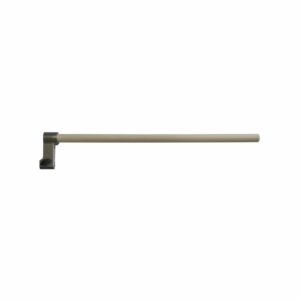
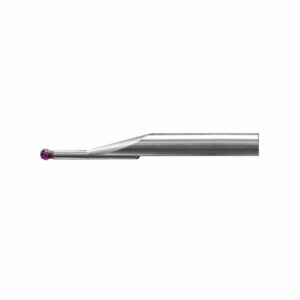
Yes, some advanced models of height gauges can be used to measure other dimensions, such as depth and diameter, with the aid of specific accessories.
What is the typical accuracy of a height gauge?
The accuracy of a height gauge varies depending on the model, but is generally in the region of a few microns for high-quality models.
How do you use a height gauge correctly?
To use a height gauge correctly, you need to place the base of the instrument on a flat, stable surface, then align the graduated rod with the object to be measured.
What are the leading brands of height gauges?
Some of the leading brands of height gauges include Mitutoyo, Starrett and Brown & Sharpe, which are renowned for their quality and precision.
Do height gauges require specific training to use?
Although formal training is not required, it is advisable for operators to receive instruction on how to use and calibrate height gauges correctly to ensure accurate measurements.
What are the measurement limits of a height gauge?
The measurement limits of a height gauge depend on the model, but generally range from a few millimetres to several metres.
Can a height gauge be used outdoors?
Although height gauges are primarily designed for use in controlled environments, some robust models can be used outdoors, provided they are protected from adverse weather conditions.