


In the world of machine shops, accuracy and precision are essential to guarantee the quality of finished products. Calibration blocks represent one of the most important tools for achieving these goals. These tools, also known as gauge blocks, are used to precisely measure and caliper the dimensions of various mechanical components. In this article, we will explore in detail what gauging blocks are, what they are used for, how they are used and what benefits they offer to machine shops.
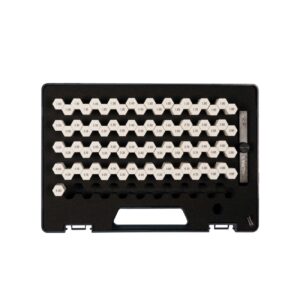
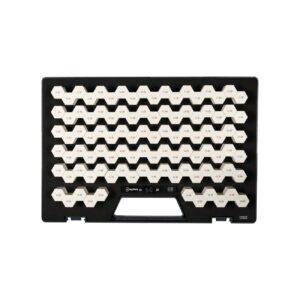
Striker blocks are high-precision measuring instruments, usually made of hardened steel, ceramic or tungsten carbide. These blocks are rectangular and have extremely smooth and parallel surfaces, which enable precise measurements to be taken. Their main function is to serve as reference standards for the calibration of other measuring instruments, such as calipers and micrometers.
In machine shops, accuracy is crucial to ensure that the components produced meet the required specifications. Calipers are essential for maintaining this accuracy, as they allow measuring instruments to be calibrated and ensure that measurements are accurate. Without them, it would be difficult to guarantee the quality and reliability of the finished products.
The use of gauge blocks requires care and attention to ensure accurate measurements. First of all, it is important to clean the blocks thoroughly to remove any impurities that might affect the measurement. Next, the blocks are stacked or combined to obtain the desired size. Once the correct combination is obtained, the blocks are used to caliper measuring instruments such as calipers and micrometers, ensuring that these instruments provide accurate readings.
The use of gauge blocks offers several advantages to machine shops. Firstly, they guarantee a high level of measurement accuracy, which is essential for the production of high-quality components. Furthermore, gauge blocks are extremely durable and wear-resistant, making them a long-term investment for any workshop. Finally, their versatility allows them to be used in a wide range of applications, making them an indispensable tool for any technician or mechanical engineer.
What materials are used to make gauge blocks?
Striker blocks are generally made of hardened steel, ceramic or tungsten carbide, materials chosen for their hardness and resistance to wear.
How are the striker blocks cleaned?
It is important to use a soft cloth and a non-abrasive detergent to clean the gauge blocks, making sure to remove all impurities that could affect the measurement.
What is the lifetime of a gauge block?
With proper maintenance, gauge blocks can last for many years, maintaining their accuracy and reliability over time.
Can they be used in wet environments?
Although striker blocks are durable, it is advisable to avoid prolonged exposure to moisture to prevent corrosion, especially if they are made of steel.
What is the difference between steel and ceramic gauge blocks?
Ceramic blocks are more resistant to corrosion and wear than steel ones, but they are also more fragile and expensive.
How are the striker blocks stored?
Striker blocks should be stored in a dry and clean environment, preferably in a protective case to avoid damage.
Can several blocks be combined to obtain a specific size?
Yes, the gauge blocks can be combined to obtain the desired measurement, due to their precision and smooth surface that allows a perfect fit.
Which instruments can be calibrated with the gauge blocks?
Calibration blocks are used to calibrate a wide range of measuring instruments, including calipers, micrometers and dial gauges.
How do you check the accuracy of a gauge block?
The accuracy of a gauge block can be verified using certified reference measuring instruments, such as laser interferometers.
What are the standard dimensions of gauge blocks?
Striker blocks are available in a variety of standard sizes, ranging from a few millimetres to several centimetres, to meet different measurement requirements.
In conclusion, gauge blocks are indispensable tools in machine shops, guaranteeing measurement accuracy and reliability. Their proper maintenance and use are fundamental to ensuring the quality of finished products and the success of mechanical operations.
What are gauge blocks?
Striker blocks are high-precision measuring instruments, usually made of hardened steel, ceramic or tungsten carbide. These blocks are rectangular and have extremely smooth and parallel surfaces, which enable precise measurements to be taken. Their main function is to serve as reference standards for the calibration of other measuring instruments, such as calipers and micrometers.
The importance of reference blocks in machine shops
In machine shops, accuracy is crucial to ensure that the components produced meet the required specifications. Calipers are essential for maintaining this accuracy, as they allow measuring instruments to be calibrated and ensure that measurements are accurate. Without them, it would be difficult to guarantee the quality and reliability of the finished products.
How are striker blocks used?
The use of gauge blocks requires care and attention to ensure accurate measurements. First of all, it is important to clean the blocks thoroughly to remove any impurities that might affect the measurement. Next, the blocks are stacked or combined to obtain the desired size. Once the correct combination is obtained, the blocks are used to caliper measuring instruments such as calipers and micrometers, ensuring that these instruments provide accurate readings.
Advantages of using gauge blocks
The use of gauge blocks offers several advantages to machine shops. Firstly, they guarantee a high level of measurement accuracy, which is essential for the production of high-quality components. Furthermore, gauge blocks are extremely durable and wear-resistant, making them a long-term investment for any workshop. Finally, their versatility allows them to be used in a wide range of applications, making them an indispensable tool for any technician or mechanical engineer.
Frequently asked questions about gauge blocks
What materials are used to make gauge blocks?
Striker blocks are generally made of hardened steel, ceramic or tungsten carbide, materials chosen for their hardness and resistance to wear.
How are the striker blocks cleaned?
It is important to use a soft cloth and a non-abrasive detergent to clean the gauge blocks, making sure to remove all impurities that could affect the measurement.
What is the lifetime of a gauge block?
With proper maintenance, gauge blocks can last for many years, maintaining their accuracy and reliability over time.
Can they be used in wet environments?
Although striker blocks are durable, it is advisable to avoid prolonged exposure to moisture to prevent corrosion, especially if they are made of steel.
What is the difference between steel and ceramic gauge blocks?
Ceramic blocks are more resistant to corrosion and wear than steel ones, but they are also more fragile and expensive.
How are the striker blocks stored?
Striker blocks should be stored in a dry and clean environment, preferably in a protective case to avoid damage.
Can several blocks be combined to obtain a specific size?
Yes, the gauge blocks can be combined to obtain the desired measurement, due to their precision and smooth surface that allows a perfect fit.
Which instruments can be calibrated with the gauge blocks?
Calibration blocks are used to calibrate a wide range of measuring instruments, including calipers, micrometers and dial gauges.
How do you check the accuracy of a gauge block?
The accuracy of a gauge block can be verified using certified reference measuring instruments, such as laser interferometers.
What are the standard dimensions of gauge blocks?
Striker blocks are available in a variety of standard sizes, ranging from a few millimetres to several centimetres, to meet different measurement requirements.
In conclusion, gauge blocks are indispensable tools in machine shops, guaranteeing measurement accuracy and reliability. Their proper maintenance and use are fundamental to ensuring the quality of finished products and the success of mechanical operations.
Showing 25–26 of 26 results