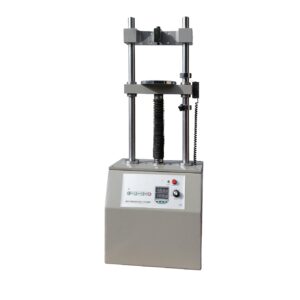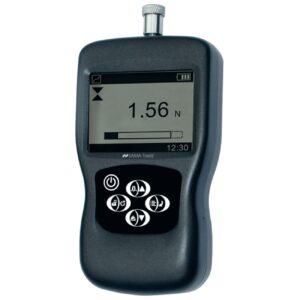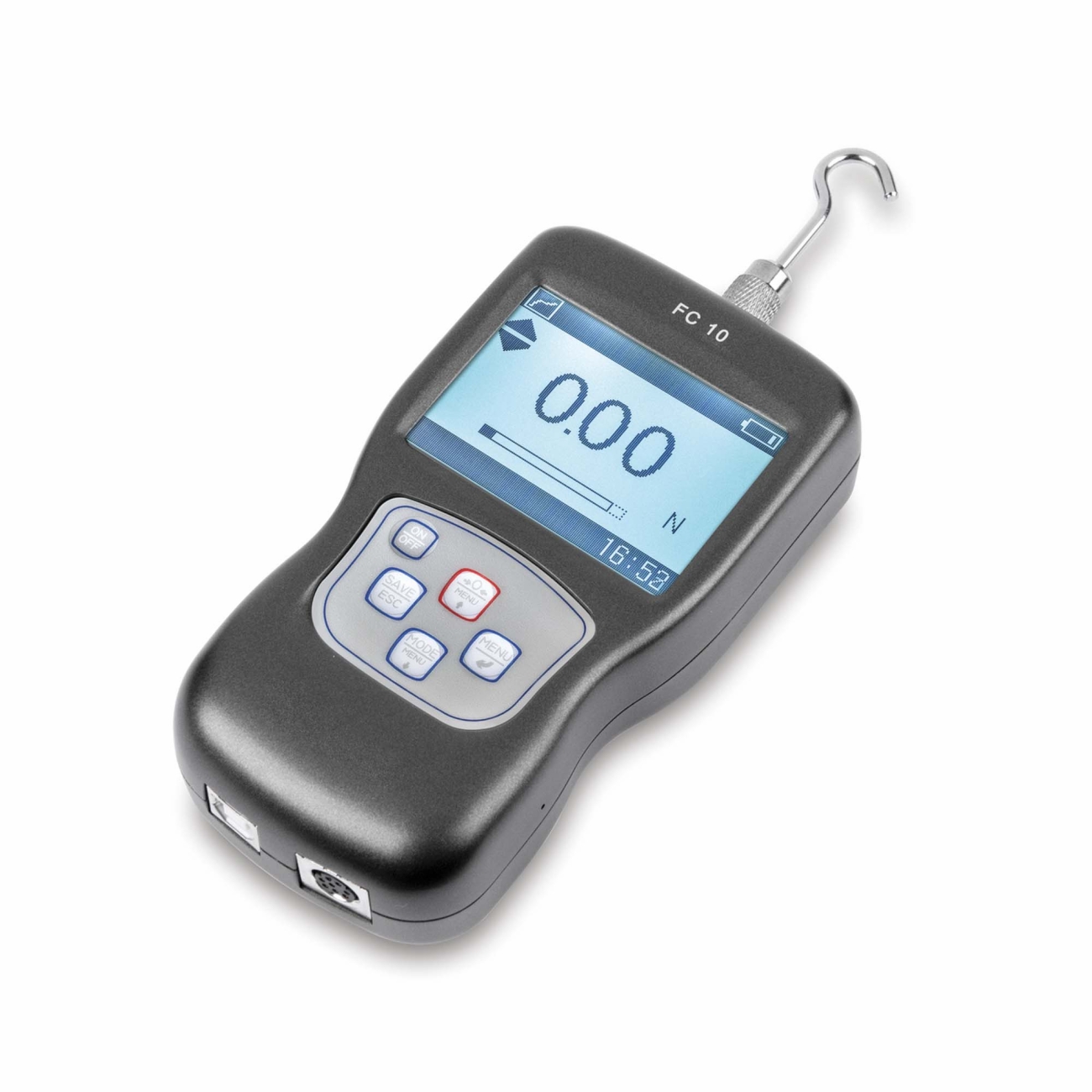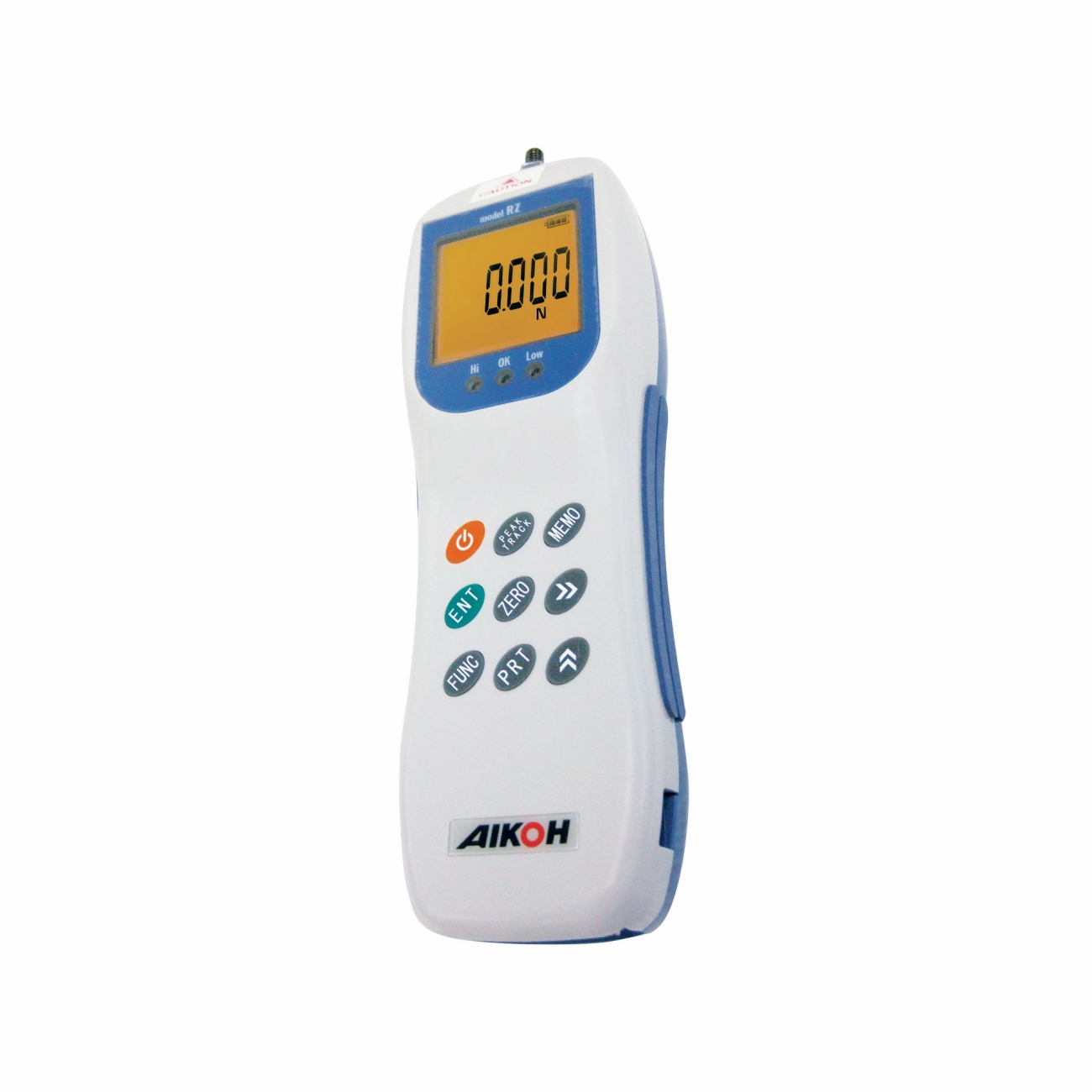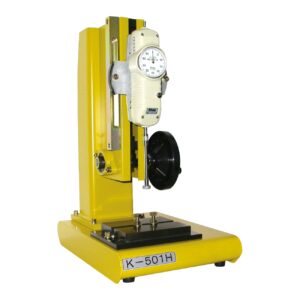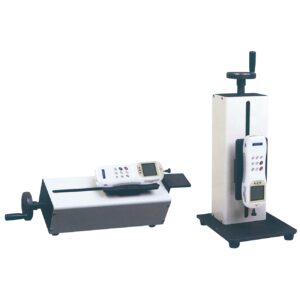



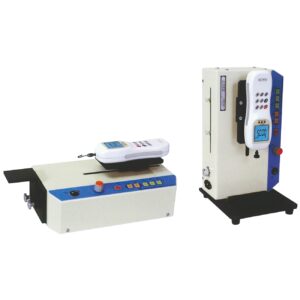
Professional and digital dynamometers are essential tools in modern machine shops. These devices, known for their precision and reliability, are designed to measure forces and weights with a high degree of accuracy, making them indispensable in many industrial sectors. Their importance is amplified by the growing demand for precision and efficiency in production processes, where every detail can make the difference between success and failure.
The importance of dynamometers in machine shops
In the context of machine shops, dynamometers play a crucial role. They are used to test the strength of materials, check the tension of belts and calibrate equipment. The ability to accurately measure applied forces allows engineers and technicians to ensure that mechanical components function within safety and performance limits. This not only improves the quality of the end product, but also reduces the risk of failures and accidents.
How digital dynamometers work
Digital dynamometers operate through the use of load cells, which convert the applied force into an electrical signal. This signal is then processed by a microprocessor to provide an accurate digital reading. Digital technology offers numerous advantages over analogue models, including greater accuracy, the ability to store data and ease of integration with other monitoring and control systems. In addition, digital dynamometers are often equipped with advanced features such as data logging, statistical analysis and wireless connectivity, making them versatile tools that can be adapted to different applications.
Benefits of using professional dynamometers
The adoption of professional dynamometers in machine shops offers several advantages. Firstly, they improve the accuracy of measurements, reducing the margin of error and increasing the reliability of results. This is particularly important in areas where safety is a top priority. Secondly, digital dynamometers enable greater operational efficiency due to their ability to provide fast and accurate readings. Finally, the integration of these instruments with data management systems enables continuous monitoring and improved traceability of operations, facilitating preventive maintenance and asset management.
Practical applications of dynamometers in workshops
The applications of dynamometers in machine shops are manifold. They are used to test the strength of materials, check belt tension and calibrate equipment. In addition, dynamometers are used in tensile and compression tests, which are essential to assess the mechanical properties of materials. These tests are essential to ensure that mechanical components can withstand the stresses to which they will be subjected during their life cycle. In addition, dynamometers are used to calibrate measuring instruments and equipment, ensuring that readings are accurate and reliable.
Frequently asked questions about dynamometers
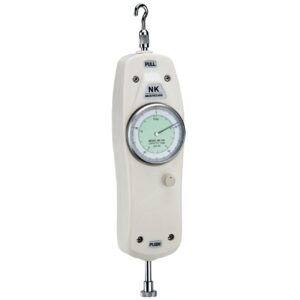
One of the most common questions concerns the difference between analogue and digital dynamometers. While analogue models use a spring to measure force, digital dynamometers are based on load cells and offer greater accuracy and advanced functionality. Another frequently asked question concerns the calibration of dynamometers. It is essential to calibrate these instruments regularly to ensure the accuracy of measurements. Finally, many people wonder how to choose the right dynamometer for their needs. The choice depends on various factors, including the type of application, load capacity and required functionality.
Conclusion
In conclusion, professional and digital dynamometers are indispensable tools in modern machine shops. They offer precision, reliability and versatility, helping to improve the quality and safety of production processes. As technology evolves, dynamometers will continue to play a key role in ensuring the efficiency and effectiveness of mechanical operations. Investing in high-quality dynamometers is a strategic choice that can lead to significant improvements in performance and competitiveness.
Showing all 8 results