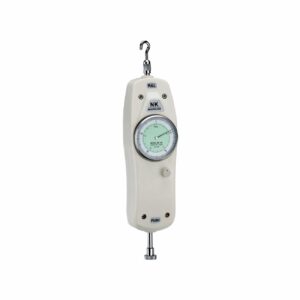



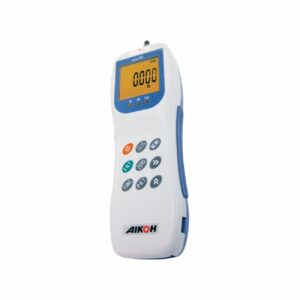
In the world of mechanical workshops, precision and reliability are fundamental elements to guarantee the quality of the work carried out. Professional and digital dynamometers are essential tools for measuring force and torque accurately and repeatably. These devices are designed to meet the needs of various industries, offering advanced solutions for quality control and optimisation of production processes.
Dynamometers are measuring instruments used to determine the force or torque applied to an object. Professional and digital models are equipped with advanced sensors and digital displays that provide accurate and easily interpretable readings. These instruments are widely used in industrial applications, such as testing mechanical components, calibrating equipment and verifying product quality.
In machine shops, dynamometers are used in a wide range of applications. They are used to test the strength of materials, check the tension of belts and measure the tightening torque of bolts. They are also essential for testing engines and transmissions, ensuring that performance meets the required standards. The use of digital dynamometers allows accurate data to be obtained and results to be documented for future analysis.
The adoption of digital dynamometers offers several advantages over traditional analogue models. Firstly, the accuracy of measurements is greatly improved thanks to digital sensor technology. In addition, data can be easily recorded and analysed, enabling continuous performance monitoring. Digital calipers are also easier to calibrate and maintain, reducing downtime and improving operational efficiency.
To obtain accurate results, it is essential to use a professional dynamometer correctly. Before starting, it is important to calibrate the instrument according to the manufacturer's specifications. During use, ensure that the dynamometer is positioned correctly and that the environmental conditions are stable. It is essential to follow the manufacturer's guidelines to avoid measurement errors and ensure operator safety.
Regular maintenance and calibration of dynamometers are crucial to ensure their accuracy and reliability over time. Calibration should be performed periodically, following the manufacturer's recommendations and using certified calibration equipment. Preventive maintenance includes cleaning the instrument, checking connections and replacing worn parts. A well-structured maintenance programme helps to extend the life of the dynamometer and reduce operating costs.
What is the difference between an analogue and a digital dynamometer?
Digital dynamometers offer greater accuracy and ease of use than analogue models due to advanced sensors and digital displays.
How do I calibrate a digital dynamometer?
Calibrating a digital dynamometer requires the use of standard weights and access to calibration software provided by the manufacturer.
What are the main applications of dynamometers in machine shops?
Dynamometers are used to test the strength of materials, measure torque and test engines and transmissions.
How often should a dynamometer be calibrated?
The frequency of calibration depends on use and the manufacturer's specifications, but generally an annual calibration is recommended.
What are the advantages of digital dynamometers over analogue ones?
Digital dynamometers offer greater accuracy, ease of reading and the ability to record and analyse data.
Can a digital dynamometer be used in harsh environments?
Yes, many digital dynamometers are designed to withstand harsh environmental conditions, but it is important to check the specifications of the model.
How do I maintain a dynamometer?
Maintenance includes cleaning, checking connections and replacing worn parts, following the manufacturer's guidelines.
What are the measurement limits of a professional dynamometer?
Measurement limits vary depending on the model and should be checked in the manufacturer's technical specifications.
Can digital dynamometers be used to measure tensile force?
Yes, many digital dynamometers are designed to measure both compressive and tensile force.
What features should be considered when choosing a dynamometer?
The main features include measurement capability, accuracy, ease of use and compatibility with specific applications.
What are professional and digital dynamometers?
Dynamometers are measuring instruments used to determine the force or torque applied to an object. Professional and digital models are equipped with advanced sensors and digital displays that provide accurate and easily interpretable readings. These instruments are widely used in industrial applications, such as testing mechanical components, calibrating equipment and verifying product quality.
Applications of dynamometers in machine shops
In machine shops, dynamometers are used in a wide range of applications. They are used to test the strength of materials, check the tension of belts and measure the tightening torque of bolts. They are also essential for testing engines and transmissions, ensuring that performance meets the required standards. The use of digital dynamometers allows accurate data to be obtained and results to be documented for future analysis.
Benefits of using digital dynamometers
The adoption of digital dynamometers offers several advantages over traditional analogue models. Firstly, the accuracy of measurements is greatly improved thanks to digital sensor technology. In addition, data can be easily recorded and analysed, enabling continuous performance monitoring. Digital calipers are also easier to calibrate and maintain, reducing downtime and improving operational efficiency.
How to use a professional dynamometer correctly
To obtain accurate results, it is essential to use a professional dynamometer correctly. Before starting, it is important to calibrate the instrument according to the manufacturer's specifications. During use, ensure that the dynamometer is positioned correctly and that the environmental conditions are stable. It is essential to follow the manufacturer's guidelines to avoid measurement errors and ensure operator safety.
Maintenance and calibration of dynamometers
Regular maintenance and calibration of dynamometers are crucial to ensure their accuracy and reliability over time. Calibration should be performed periodically, following the manufacturer's recommendations and using certified calibration equipment. Preventive maintenance includes cleaning the instrument, checking connections and replacing worn parts. A well-structured maintenance programme helps to extend the life of the dynamometer and reduce operating costs.
FAQ on professional and digital dynamometers
What is the difference between an analogue and a digital dynamometer?
Digital dynamometers offer greater accuracy and ease of use than analogue models due to advanced sensors and digital displays.
How do I calibrate a digital dynamometer?
Calibrating a digital dynamometer requires the use of standard weights and access to calibration software provided by the manufacturer.
What are the main applications of dynamometers in machine shops?
Dynamometers are used to test the strength of materials, measure torque and test engines and transmissions.
How often should a dynamometer be calibrated?
The frequency of calibration depends on use and the manufacturer's specifications, but generally an annual calibration is recommended.
What are the advantages of digital dynamometers over analogue ones?
Digital dynamometers offer greater accuracy, ease of reading and the ability to record and analyse data.
Can a digital dynamometer be used in harsh environments?
Yes, many digital dynamometers are designed to withstand harsh environmental conditions, but it is important to check the specifications of the model.
How do I maintain a dynamometer?
Maintenance includes cleaning, checking connections and replacing worn parts, following the manufacturer's guidelines.
What are the measurement limits of a professional dynamometer?
Measurement limits vary depending on the model and should be checked in the manufacturer's technical specifications.
Can digital dynamometers be used to measure tensile force?
Yes, many digital dynamometers are designed to measure both compressive and tensile force.
What features should be considered when choosing a dynamometer?
The main features include measurement capability, accuracy, ease of use and compatibility with specific applications.
Showing all 2 results