


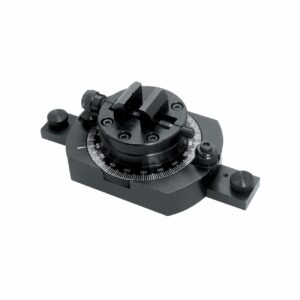
In the world of machine shops, precision is a crucial element in ensuring the quality and reliability of finished products. Profile projectors and optical machines are essential tools for dimensional control and tolerance checking in production processes. Thanks to their ability to magnify and measure with extreme precision, these devices have become indispensable for companies operating in the precision engineering sector.
Profile projectors are optical instruments used to magnify the image of an object and project it onto a screen. This allows operators to examine the geometric and dimensional features of the workpiece in detail. Optical machines, on the other hand, are advanced devices that combine the use of lenses, sensors and software to perform three-dimensional measurements with high precision. Both tools are essential for quality control in industrial production processes.
Profile projectors and optical machines find application in a wide range of industries, including automotive, aerospace, electronics and tool manufacturing. These instruments are used to verify the conformity of components to design specifications, ensuring that each part produced meets the required dimensional tolerances. In addition, they are used for analysing surface defects and checking the quality of materials.
The adoption of profile projectors and optical machines offers numerous advantages to machine shops. Firstly, these tools reduce production waste, improving efficiency and reducing operating costs. Furthermore, thanks to their precision, they enable high quality products, increasing customer satisfaction and market competitiveness. Finally, the use of advanced optical technologies facilitates the quality control process, reducing inspection time and improving overall productivity.
Choosing the right profile projector or optical machine for the needs of a machine shop depends on several factors. It is important to consider the size and complexity of the parts to be measured, the accuracy required and the available budget. In addition, it is crucial to assess ease of use and compatibility with existing quality management systems. Finally, it is advisable to opt for tools that offer good technical support and reliable after-sales service.
What is the main difference between a profile projector and an optical machine?
The main difference lies in the technology used: profile projectors enlarge and project the image of an object onto a screen, while optical machines use sensors and software for three-dimensional measurements.
Which industry sectors benefit most from the use of these tools?
The sectors that benefit most include automotive, aerospace, electronics and tool manufacturing, where precision is crucial.
How does the use of profile projectors and optical machines affect the quality of the final product?
The use of these tools improves the quality of the final product by ensuring that each component meets the required design specifications and dimensional tolerances.
Can these tools be used for analysing surface defects?
Yes, profile projectors and optical machines are ideal for analysing surface defects due to their ability to zoom in and measure accurately.
What are the main economic advantages of using these instruments?
The main economic benefits include reduced production waste, increased operational efficiency and lower production costs.
How does an optical machine integrate with existing quality management systems?
Optical machines can be integrated with existing quality management systems through compatible software that facilitates data collection and analysis.
What FEATURES should be considered when choosing a profile projector?
Features to consider include accuracy, ease of use, screen size and compatibility with other measuring instruments.
Is specific training required to use these instruments?
Yes, specific training is advisable to ensure correct and optimal use of profile projectors and optical machines.
What are the recent innovations in the range of optical machines?
Recent innovations include the integration of artificial intelligence and machine learning to improve the accuracy and efficiency of measurements.
How do you maintain a profile projector or optical machine?
Maintenance includes regular lens cleaning, periodic calibration and checking of electronic components to ensure optimal performance.
What are profile projectors and optical machines?
Profile projectors are optical instruments used to magnify the image of an object and project it onto a screen. This allows operators to examine the geometric and dimensional features of the workpiece in detail. Optical machines, on the other hand, are advanced devices that combine the use of lenses, sensors and software to perform three-dimensional measurements with high precision. Both tools are essential for quality control in industrial production processes.
Use and applications of profile projectors and optical machines
Profile projectors and optical machines find application in a wide range of industries, including automotive, aerospace, electronics and tool manufacturing. These instruments are used to verify the conformity of components to design specifications, ensuring that each part produced meets the required dimensional tolerances. In addition, they are used for analysing surface defects and checking the quality of materials.
Advantages of using profile projectors and optical machines
The adoption of profile projectors and optical machines offers numerous advantages to machine shops. Firstly, these tools reduce production waste, improving efficiency and reducing operating costs. Furthermore, thanks to their precision, they enable high quality products, increasing customer satisfaction and market competitiveness. Finally, the use of advanced optical technologies facilitates the quality control process, reducing inspection time and improving overall productivity.
How to choose the right profile projector or optical machine
Choosing the right profile projector or optical machine for the needs of a machine shop depends on several factors. It is important to consider the size and complexity of the parts to be measured, the accuracy required and the available budget. In addition, it is crucial to assess ease of use and compatibility with existing quality management systems. Finally, it is advisable to opt for tools that offer good technical support and reliable after-sales service.
FAQ on profile projectors and optical machines
What is the main difference between a profile projector and an optical machine?
The main difference lies in the technology used: profile projectors enlarge and project the image of an object onto a screen, while optical machines use sensors and software for three-dimensional measurements.
Which industry sectors benefit most from the use of these tools?
The sectors that benefit most include automotive, aerospace, electronics and tool manufacturing, where precision is crucial.
How does the use of profile projectors and optical machines affect the quality of the final product?
The use of these tools improves the quality of the final product by ensuring that each component meets the required design specifications and dimensional tolerances.
Can these tools be used for analysing surface defects?
Yes, profile projectors and optical machines are ideal for analysing surface defects due to their ability to zoom in and measure accurately.
What are the main economic advantages of using these instruments?
The main economic benefits include reduced production waste, increased operational efficiency and lower production costs.
How does an optical machine integrate with existing quality management systems?
Optical machines can be integrated with existing quality management systems through compatible software that facilitates data collection and analysis.
What FEATURES should be considered when choosing a profile projector?
Features to consider include accuracy, ease of use, screen size and compatibility with other measuring instruments.
Is specific training required to use these instruments?
Yes, specific training is advisable to ensure correct and optimal use of profile projectors and optical machines.
What are the recent innovations in the range of optical machines?
Recent innovations include the integration of artificial intelligence and machine learning to improve the accuracy and efficiency of measurements.
How do you maintain a profile projector or optical machine?
Maintenance includes regular lens cleaning, periodic calibration and checking of electronic components to ensure optimal performance.
Showing 25–36 of 36 results