


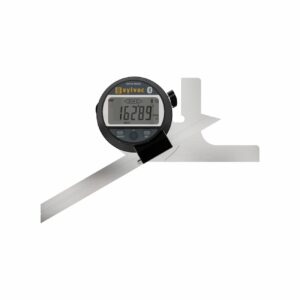
In the world of mechanical workshops, precision is paramount. Tools such as squares and spirit levels are indispensable to ensure that every component is aligned and positioned correctly. These tools not only improve work efficiency, but also ensure that the end products are of high quality. In this article, we will explore in detail what squares and spirit levels are, how they are used, the benefits of using them, and answer frequently asked questions about these essential tools.
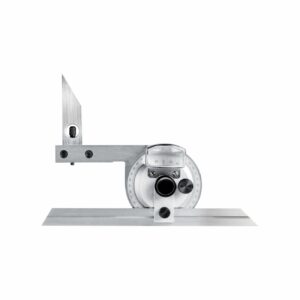
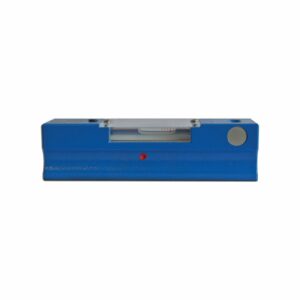
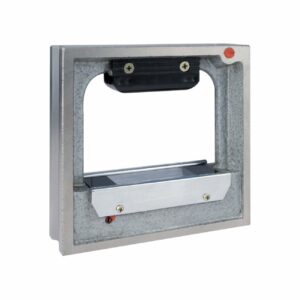
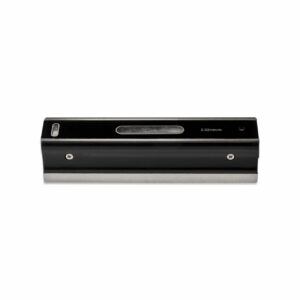
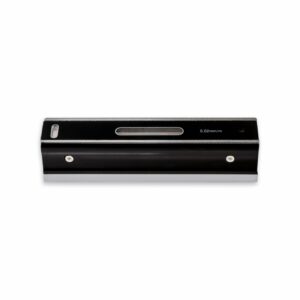
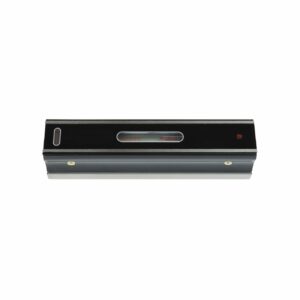
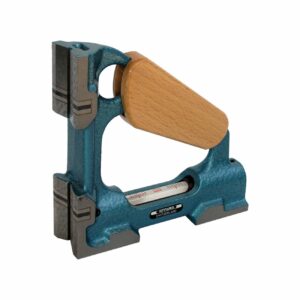
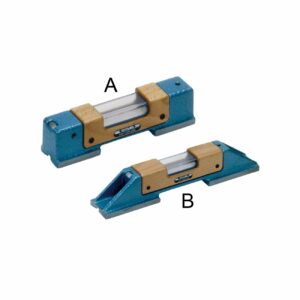
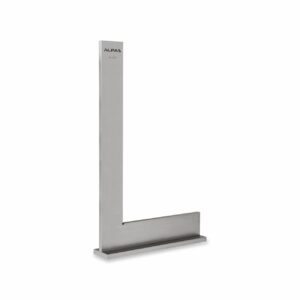
Squares and spirit levels are measuring instruments used to determine the angle and alignment of surfaces and components. Squares are generally used to check 90 degree angles, while spirit levels are used to ensure that a surface is perfectly horizontal or vertical. Both tools are essential to ensure precision in machining operations.
In machine shops, accuracy is crucial. A small error in alignment can lead to defects in the end products, compromising their functionality and safety. Squaring and spirit levels help prevent these errors by ensuring that every component is positioned correctly. This not only improves product quality, but also reduces processing time and costs associated with errors and rework.
The correct use of squares and spirit levels is essential to achieve accurate results. To use a square, it is important to place it firmly against the surface to be measured, ensuring that there are no gaps. Spirit levels, on the other hand, must be placed on a stable surface and observed carefully to ensure that the air bubble is centred. It is essential to caliper these instruments regularly to maintain their accuracy.
The use of squares and spirit levels offers several advantages. Firstly, they improve machining accuracy, reducing the risk of errors. They also help to improve work efficiency, as they allow operations to be completed more quickly and accurately. Finally, the use of these tools can increase the life of machinery and tools, as they reduce wear and tear caused by misalignments.
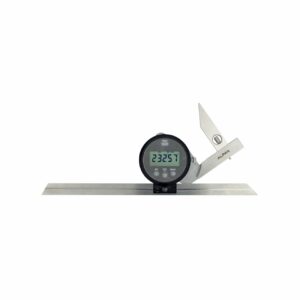
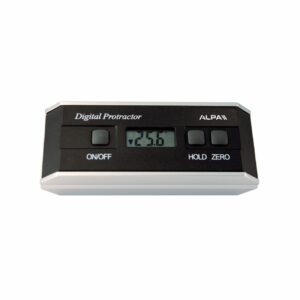
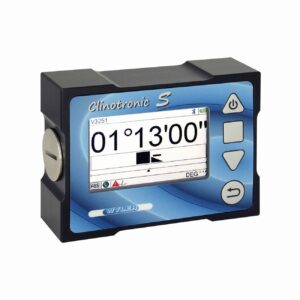
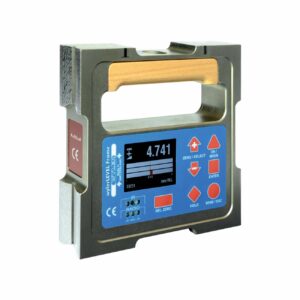
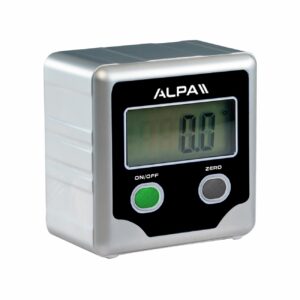
Modern squares and spirit levels are made of advanced materials such as stainless steel and aluminium, which offer strength and durability. In addition, many spirit levels are equipped with digital technologies that provide more accurate and easier-to-interpret readings. These innovations make the instruments more reliable and easier to use, further improving the quality of work in machine shops.
To ensure that the squares and spirit levels maintain their accuracy over time, it is important to perform regular maintenance. The instruments should be cleaned after each use to remove dust and debris that could affect their accuracy. Furthermore, it is advisable to store these instruments in a dry and protected place to avoid damage caused by moisture or shocks.
What is the main difference between a square and a spirit level?
A square is used to check 90 degree angles, while a spirit level is used to check the horizontality or verticality of a surface.
How do you calibrate a digital spirit level?
The calibration of a digital spirit level varies depending on the model, but generally involves placing it on a flat surface and using a calibration button.
What are the most common materials for squares?
Squares are often made of stainless steel or aluminium, materials that offer strength and durability.
Are laser spirit levels more accurate than traditional spirit levels?
Laser spirit levels offer greater accuracy and ease of use than traditional spirit levels due to the projection of visible lines.
How do I clean a square after use?
It is advisable to use a soft cloth to remove dust and debris, avoiding the use of harsh chemicals that could damage the surface.
What are the advantages of digital spirit levels?
Digital spirit levels offer more accurate readings and are easier to interpret, improving efficiency and quality of work.
Can a spirit level be used to measure angles other than 90 degrees?
Yes, some digital spirit levels are designed to measure a variety of angles, offering greater versatility.
How do I store a square correctly?
The brackets should be stored in a dry and protected place to avoid damage caused by moisture or shocks.
What are the most common applications of squares in machine shops?
Brackets are used to align components, check angles and ensure machining accuracy.
Can spirit levels be used outdoors?
Yes, many spirit levels are designed to withstand outdoor conditions, but it is important to choose a model suitable for outdoor use.
What are squares and spirit levels?
Squares and spirit levels are measuring instruments used to determine the angle and alignment of surfaces and components. Squares are generally used to check 90 degree angles, while spirit levels are used to ensure that a surface is perfectly horizontal or vertical. Both tools are essential to ensure precision in machining operations.
The importance of squares and spirit levels in machine shops
In machine shops, accuracy is crucial. A small error in alignment can lead to defects in the end products, compromising their functionality and safety. Squaring and spirit levels help prevent these errors by ensuring that every component is positioned correctly. This not only improves product quality, but also reduces processing time and costs associated with errors and rework.
How to use squares and levels correctly
The correct use of squares and spirit levels is essential to achieve accurate results. To use a square, it is important to place it firmly against the surface to be measured, ensuring that there are no gaps. Spirit levels, on the other hand, must be placed on a stable surface and observed carefully to ensure that the air bubble is centred. It is essential to caliper these instruments regularly to maintain their accuracy.
Advantages of using squares and spirit levels
The use of squares and spirit levels offers several advantages. Firstly, they improve machining accuracy, reducing the risk of errors. They also help to improve work efficiency, as they allow operations to be completed more quickly and accurately. Finally, the use of these tools can increase the life of machinery and tools, as they reduce wear and tear caused by misalignments.
Materials and technologies of modern squares and levels
Modern squares and spirit levels are made of advanced materials such as stainless steel and aluminium, which offer strength and durability. In addition, many spirit levels are equipped with digital technologies that provide more accurate and easier-to-interpret readings. These innovations make the instruments more reliable and easier to use, further improving the quality of work in machine shops.
Maintenance and care of squares and levels
To ensure that the squares and spirit levels maintain their accuracy over time, it is important to perform regular maintenance. The instruments should be cleaned after each use to remove dust and debris that could affect their accuracy. Furthermore, it is advisable to store these instruments in a dry and protected place to avoid damage caused by moisture or shocks.
FAQ: answers to the most common questions about squares and spirit levels
What is the main difference between a square and a spirit level?
A square is used to check 90 degree angles, while a spirit level is used to check the horizontality or verticality of a surface.
How do you calibrate a digital spirit level?
The calibration of a digital spirit level varies depending on the model, but generally involves placing it on a flat surface and using a calibration button.
What are the most common materials for squares?
Squares are often made of stainless steel or aluminium, materials that offer strength and durability.
Are laser spirit levels more accurate than traditional spirit levels?
Laser spirit levels offer greater accuracy and ease of use than traditional spirit levels due to the projection of visible lines.
How do I clean a square after use?
It is advisable to use a soft cloth to remove dust and debris, avoiding the use of harsh chemicals that could damage the surface.
What are the advantages of digital spirit levels?
Digital spirit levels offer more accurate readings and are easier to interpret, improving efficiency and quality of work.
Can a spirit level be used to measure angles other than 90 degrees?
Yes, some digital spirit levels are designed to measure a variety of angles, offering greater versatility.
How do I store a square correctly?
The brackets should be stored in a dry and protected place to avoid damage caused by moisture or shocks.
What are the most common applications of squares in machine shops?
Brackets are used to align components, check angles and ensure machining accuracy.
Can spirit levels be used outdoors?
Yes, many spirit levels are designed to withstand outdoor conditions, but it is important to choose a model suitable for outdoor use.
Showing 1–24 of 34 results