


In the world of mechanical workshops, precision is crucial. The instruments used must guarantee accurate measurements to ensure the quality of the final product. Among these instruments, surface gauges occupy a prominent place. But what exactly are surface gauges and why are they so important? In this article, we will explore in detail what surface gauges are, what they are used for, how they are used and what benefits they offer to machine shops.
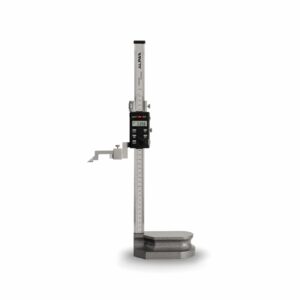
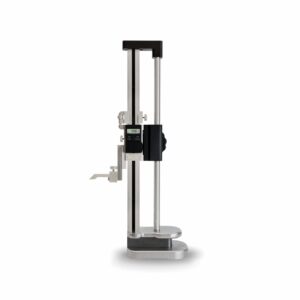
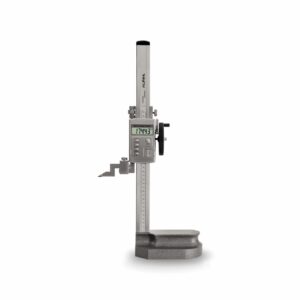
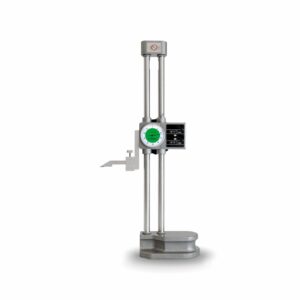
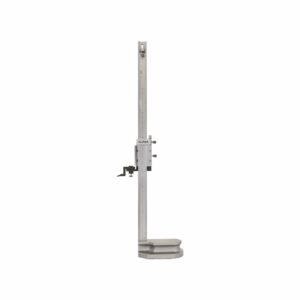
Surface gauges are measuring instruments used primarily in machine shops to draw straight lines on metal surfaces. These tools are essential to ensure that mechanical components are manufactured with precision. Surface gauges consist of a stable base and a vertical blade that can be adjusted in height. The blade is usually made of hardened steel to ensure strength and durability.
Surface gauges are used to draw reference lines on metal surfaces, which are essential for cutting, drilling and other machining operations. These reference lines help ensure that machining operations are performed accurately, minimising errors and improving the quality of the final product. In addition, surface gauges can be used to measure the height of an object relative to a reference surface, making them versatile tools in machine shops.
The use of surface gauges requires a certain amount of skill and attention to detail. To draw a line, the surface gauge is placed on the metal surface with the base resting firmly on it. The blade is then adjusted to the desired height and slid along the surface to draw a straight line. It is important to ensure that the base of the surface gauge is always in contact with the surface to ensure an accurate line. To measure the height, the blade is adjusted until it touches the object to be measured, and the height is read on the surface gauge scale.
The use of surface gauges offers numerous advantages in machine shops. First of all, they guarantee high precision in measuring and marking, minimising errors and improving the quality of the final product. Furthermore, surface gauges are versatile tools that can be used for a variety of applications, making them indispensable in any machine shop. Their robust and durable construction ensures that they can withstand everyday wear and tear, offering excellent value for money.
What are the most common materials used for surface gauges?
Surface gauges are generally made of hardened steel for strength and durability. Some models may have aluminium or plastic components to reduce weight.
How is a surface gauge maintained in good condition?
It is important to clean the surface gauge regularly to remove dust and debris. It is also advisable to lubricate the moving parts to ensure smooth operation.
What is the difference between a surface gauge and a caliper?
While both are measuring instruments, surface gauges are mainly used to draw reference lines, while calipers are used to measure internal, external and depth dimensions.
Can surface gauges be used on materials other than metal?
Yes, surface gauges can be used on a variety of materials, including wood and plastic, as long as the surface is sufficiently smooth.
What are the standard dimensions of surface gauges?
Surface gauges come in different sizes, with heights ranging from a few centimetres to over a metre, depending on the specific needs of the application.
How do I choose the right surface gauge for a specific application?
The choice of surface gauge depends on the size of the workpiece and the precision required. It is also important to consider the quality of the materials and ease of use.
Do digital surface gauges offer advantages over analogue ones?
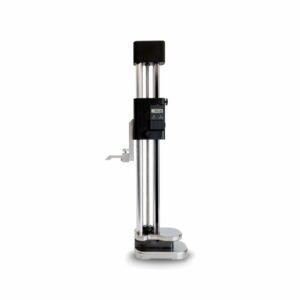
Digital surface gauges offer easier and more accurate readings, reducing the risk of reading errors. However, they can be more expensive than analogue models.
Is it possible to calibrate a surface gauge?
Yes, surface gauges can be calibrated to ensure accurate measurements. It is advisable to follow the manufacturer's instructions for calibration.
What are the most common applications of surface gauges in machine shops?
Surface gauges are commonly used to trace cutting, drilling and welding lines as well as to measure the height of mechanical components.
Are surface gauges suitable for use in automated production environments?
Yes, surface gauges can be integrated into automated production systems to ensure precise measurements and accurate plotting.
What are surface gauges?
Surface gauges are measuring instruments used primarily in machine shops to draw straight lines on metal surfaces. These tools are essential to ensure that mechanical components are manufactured with precision. Surface gauges consist of a stable base and a vertical blade that can be adjusted in height. The blade is usually made of hardened steel to ensure strength and durability.
What are surface gauges used for?
Surface gauges are used to draw reference lines on metal surfaces, which are essential for cutting, drilling and other machining operations. These reference lines help ensure that machining operations are performed accurately, minimising errors and improving the quality of the final product. In addition, surface gauges can be used to measure the height of an object relative to a reference surface, making them versatile tools in machine shops.
How are surface gauges used?
The use of surface gauges requires a certain amount of skill and attention to detail. To draw a line, the surface gauge is placed on the metal surface with the base resting firmly on it. The blade is then adjusted to the desired height and slid along the surface to draw a straight line. It is important to ensure that the base of the surface gauge is always in contact with the surface to ensure an accurate line. To measure the height, the blade is adjusted until it touches the object to be measured, and the height is read on the surface gauge scale.
Advantages of using surface gauges in machine shops
The use of surface gauges offers numerous advantages in machine shops. First of all, they guarantee high precision in measuring and marking, minimising errors and improving the quality of the final product. Furthermore, surface gauges are versatile tools that can be used for a variety of applications, making them indispensable in any machine shop. Their robust and durable construction ensures that they can withstand everyday wear and tear, offering excellent value for money.
Frequently asked questions about surface gauges
What are the most common materials used for surface gauges?
Surface gauges are generally made of hardened steel for strength and durability. Some models may have aluminium or plastic components to reduce weight.
How is a surface gauge maintained in good condition?
It is important to clean the surface gauge regularly to remove dust and debris. It is also advisable to lubricate the moving parts to ensure smooth operation.
What is the difference between a surface gauge and a caliper?
While both are measuring instruments, surface gauges are mainly used to draw reference lines, while calipers are used to measure internal, external and depth dimensions.
Can surface gauges be used on materials other than metal?
Yes, surface gauges can be used on a variety of materials, including wood and plastic, as long as the surface is sufficiently smooth.
What are the standard dimensions of surface gauges?
Surface gauges come in different sizes, with heights ranging from a few centimetres to over a metre, depending on the specific needs of the application.
How do I choose the right surface gauge for a specific application?
The choice of surface gauge depends on the size of the workpiece and the precision required. It is also important to consider the quality of the materials and ease of use.
Do digital surface gauges offer advantages over analogue ones?
Digital surface gauges offer easier and more accurate readings, reducing the risk of reading errors. However, they can be more expensive than analogue models.
Is it possible to calibrate a surface gauge?
Yes, surface gauges can be calibrated to ensure accurate measurements. It is advisable to follow the manufacturer's instructions for calibration.
What are the most common applications of surface gauges in machine shops?
Surface gauges are commonly used to trace cutting, drilling and welding lines as well as to measure the height of mechanical components.
Are surface gauges suitable for use in automated production environments?
Yes, surface gauges can be integrated into automated production systems to ensure precise measurements and accurate plotting.
Showing all 8 results