


In the context of machine shops, precision is a crucial element in guaranteeing the quality and reliability of finished products. Thickness, coating and adhesion gauges are essential tools for quality control, allowing accurate verification of the dimensions and features of the materials used. These instruments are designed to measure the thickness of various materials, assess the quality of coatings and determine the adhesion of coatings and paints. In this article, we will explore in detail what these instruments are, how they work, their advantages and answer frequently asked questions.
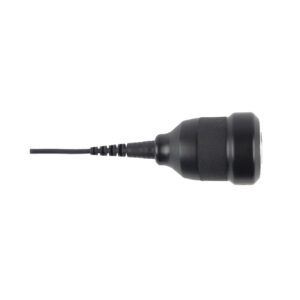
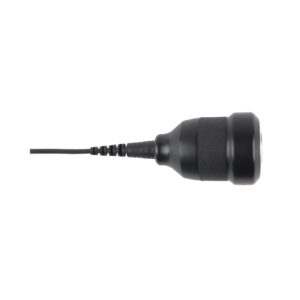
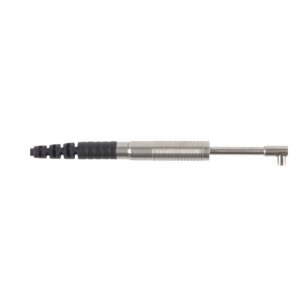
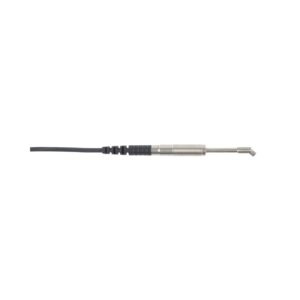
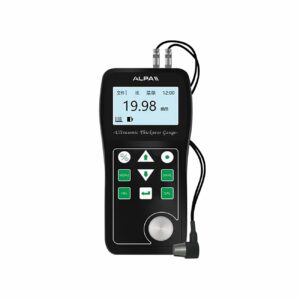
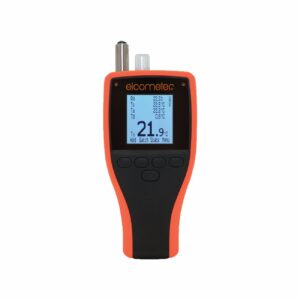
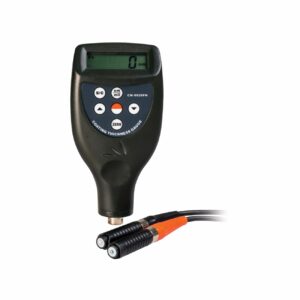
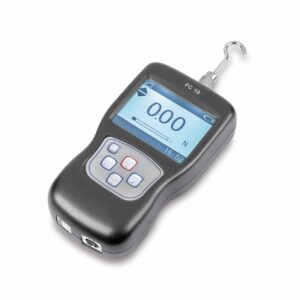
Thickness, coating and adhesion meters are devices used to measure the thickness of materials such as metals, plastics, paints and coatings. These instruments are essential to ensure that materials meet the required technical specifications and to prevent production defects. Thickness gauges can be of different types, including ultrasonic, magnetic and electromagnetic, each with specific applications and advantages.
In machine shops, thickness gauges are used for a wide range of applications. For example, in the automotive industry, they are used to check the thickness of paint and protective coatings, ensuring that vehicles are protected from corrosion and wear. In the aerospace industry, these instruments are used to check the thickness of wings and fuselages, ensuring the safety and efficiency of aircraft. Furthermore, in the manufacturing industry, thickness gauges are essential for quality control of metal and plastic components.
Thickness gauges work through different technologies, depending on the type of material and the specific application. Ultrasonic gauges use sound waves to determine the thickness of a material by measuring the time it takes for the waves to travel through the material and back again. Magnetic and electromagnetic gauges, on the other hand, exploit the magnetic properties of materials to measure the thickness of coatings on metal surfaces. Adhesion meters, on the other hand, evaluate the force required to detach a coating from the underlying surface, providing an indication of the quality of adhesion.
The use of thickness, coating and adhesion meters offers numerous advantages. Firstly, they ensure accurate quality control, reducing the risk of production defects and improving the overall quality of products. Furthermore, these tools help optimise production processes, reducing material waste and improving operational efficiency. Finally, the use of thickness gauges helps ensure compliance with industry regulations, avoiding potential penalties and enhancing corporate reputation.
What are the main types of thickness gauges?
The main types of thickness gauges include ultrasonic, magnetic and electromagnetic, each with specific applications.
How is a thickness gauge calibrated?
Calibration of a thickness gauge is done using reference samples with known thicknesses to ensure accurate measurements.
What materials can be measured with thickness gauges?
Thickness gauges can measure a wide range of materials, including metals, plastics, paints and coatings.
What is the difference between an ultrasonic and a magnetic thickness gauge?
Ultrasonic gauges use sound waves, while magnetic gauges exploit the magnetic properties of materials to measure thickness.
Why is it important to measure the adhesion of coatings?
Measuring the adhesion of coatings is important to ensure that coatings adhere properly to the surface, preventing peeling and corrosion.
What are the applications of adhesion testers?
Adhesion meters are used to assess the quality of coatings in industries such as automotive, aerospace and construction.
How is an ultrasonic thickness gauge used?
An ultrasonic thickness gauge is used by placing the probe on the material to be measured and reading the value on the display.
What are the advantages of digital thickness gauges over analogue ones?
Digital gauges offer greater accuracy, ease of use and the possibility of storing data than analogue models.
How do I choose the right thickness gauge for a specific application?
The choice of thickness gauge depends on the type of material, the application and the required accuracy.
What are the industry standards for thickness gauges?
Industry regulations vary by industry and country, but generally require gauges to be calibrated and certified to ensure accurate measurements.
What are thickness, coating and adhesion meters?
Thickness, coating and adhesion meters are devices used to measure the thickness of materials such as metals, plastics, paints and coatings. These instruments are essential to ensure that materials meet the required technical specifications and to prevent production defects. Thickness gauges can be of different types, including ultrasonic, magnetic and electromagnetic, each with specific applications and advantages.
Practical applications of thickness gauges
In machine shops, thickness gauges are used for a wide range of applications. For example, in the automotive industry, they are used to check the thickness of paint and protective coatings, ensuring that vehicles are protected from corrosion and wear. In the aerospace industry, these instruments are used to check the thickness of wings and fuselages, ensuring the safety and efficiency of aircraft. Furthermore, in the manufacturing industry, thickness gauges are essential for quality control of metal and plastic components.
How do thickness gauges, coating and adhesion gauges work?
Thickness gauges work through different technologies, depending on the type of material and the specific application. Ultrasonic gauges use sound waves to determine the thickness of a material by measuring the time it takes for the waves to travel through the material and back again. Magnetic and electromagnetic gauges, on the other hand, exploit the magnetic properties of materials to measure the thickness of coatings on metal surfaces. Adhesion meters, on the other hand, evaluate the force required to detach a coating from the underlying surface, providing an indication of the quality of adhesion.
Advantages of using thickness, coating and adhesion meters
The use of thickness, coating and adhesion meters offers numerous advantages. Firstly, they ensure accurate quality control, reducing the risk of production defects and improving the overall quality of products. Furthermore, these tools help optimise production processes, reducing material waste and improving operational efficiency. Finally, the use of thickness gauges helps ensure compliance with industry regulations, avoiding potential penalties and enhancing corporate reputation.
Frequently asked questions about thickness gauges, carryovers and adhesion
What are the main types of thickness gauges?
The main types of thickness gauges include ultrasonic, magnetic and electromagnetic, each with specific applications.
How is a thickness gauge calibrated?
Calibration of a thickness gauge is done using reference samples with known thicknesses to ensure accurate measurements.
What materials can be measured with thickness gauges?
Thickness gauges can measure a wide range of materials, including metals, plastics, paints and coatings.
What is the difference between an ultrasonic and a magnetic thickness gauge?
Ultrasonic gauges use sound waves, while magnetic gauges exploit the magnetic properties of materials to measure thickness.
Why is it important to measure the adhesion of coatings?
Measuring the adhesion of coatings is important to ensure that coatings adhere properly to the surface, preventing peeling and corrosion.
What are the applications of adhesion testers?
Adhesion meters are used to assess the quality of coatings in industries such as automotive, aerospace and construction.
How is an ultrasonic thickness gauge used?
An ultrasonic thickness gauge is used by placing the probe on the material to be measured and reading the value on the display.
What are the advantages of digital thickness gauges over analogue ones?
Digital gauges offer greater accuracy, ease of use and the possibility of storing data than analogue models.
How do I choose the right thickness gauge for a specific application?
The choice of thickness gauge depends on the type of material, the application and the required accuracy.
What are the industry standards for thickness gauges?
Industry regulations vary by industry and country, but generally require gauges to be calibrated and certified to ensure accurate measurements.
Showing 25–37 of 37 results