



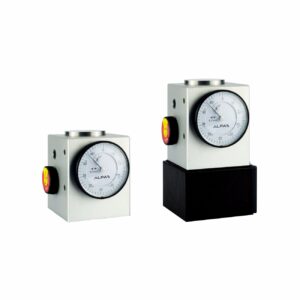
Setters and centring devices: essential tools for the mechanical industry
In the mechanical workshop world, precision is a crucial element that determines the quality of the final product. Zero-setters and centring devices are essential tools that guarantee this precision, allowing impeccable results to be obtained in every machining operation. These devices, although they may seem simple, play a complex and vital role in the production process.
What are zeroers and centring devices?
Setters and centring devices are tools used to align and position workpieces correctly on machine tools. Zero setters, in particular, are devices that allow a zero reference point to be set on a machine, ensuring that all subsequent measurements are accurate. Centring devices, on the other hand, are used to position the workpiece exactly, ensuring that it is perfectly aligned with the machining tool.
The importance of precision in machining
Precision is a fundamental aspect in machining. An error of a few millimetres can compromise the entire production process, leading to significant scrap and economic losses. Zero-setters and centring devices help minimise these errors, ensuring that every part is machined with the utmost accuracy. This not only improves the quality of the final product, but also increases the overall efficiency of the production process.
How are setters and centring devices used?
The use of zeroers and centring devices requires a certain amount of technical expertise. Zero setters are generally mounted on the machine tool and used to set the zero point. This process may vary depending on the type of machine and the type of machining to be performed. Centring devices, on the other hand, are used to position the workpiece. This can be done manually or with the aid of advanced measuring instruments, depending on the specific requirements of the project.
Advantages of using zeroers and centring devices
The use of zero-setters and centring devices offers numerous advantages. First of all, they ensure greater precision in machining, minimising errors and rejects. They also improve the efficiency of the production process, saving time and resources. Finally, they help extend the life of machine tools, reducing wear and tear and the need for maintenance.
Frequently asked questions about zero-setters and centring devices
1. What types of zero-setters are available on the market?
There are different types of zero-setters, including mechanical, electronic and optical. The choice depends on the specific machining requirements and the type of machine tool used.
2. How do I choose the right centring device for my workshop?
The choice of a centring tool depends on various factors, including the type of machining operation, the material of the workpiece and the technical specifications of the machine tool. It is important to consult an expert to make the most appropriate choice.
3. Do zero-setters and centring tools require maintenance?
Yes, like any other tool, zeroers and centring devices require regular maintenance to ensure optimum performance. This includes cleaning, calibration and, if necessary, replacement of worn parts.
4. Can the use of zeroers and centring devices be automated?
Yes, many modern workshops use automated systems for zeroing and centring, which further improve the accuracy and efficiency of the production process.
5. What are the future trends in the field of zeroing and centring?
As technology advances, it is expected that zeroers and centring devices will become increasingly sophisticated, with the integration of artificial intelligence systems and advanced automation.
In conclusion, zero-setters and centring devices are indispensable tools for any machine shop that aspires to achieve high standards of precision and quality. Investing in these devices not only improves the quality of the final product, but also contributes to optimising the entire production process, ensuring a competitive advantage in the market.
Showing the single result