


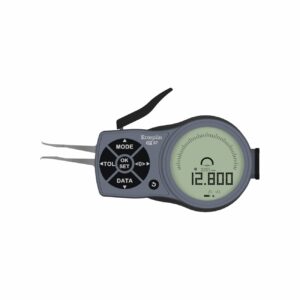
In the world of machine shops, precision is a crucial element in guaranteeing the quality and reliability of finished products. Dial gauges with probe arms are an essential tool for dimensional control and tolerance checking in manufacturing processes. These devices, thanks to their ability to measure with extreme accuracy, have become indispensable for companies striving for excellence.
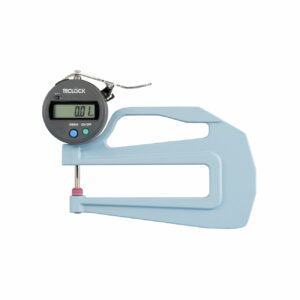
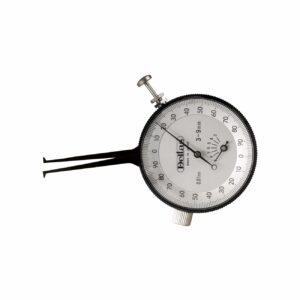
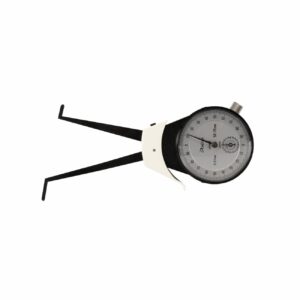
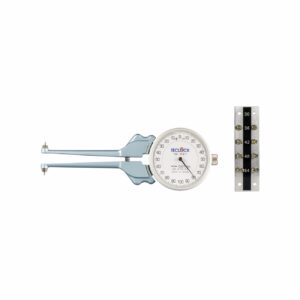
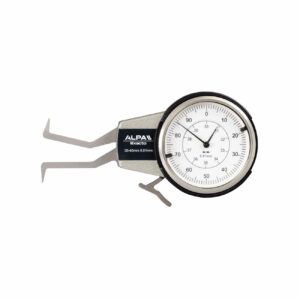
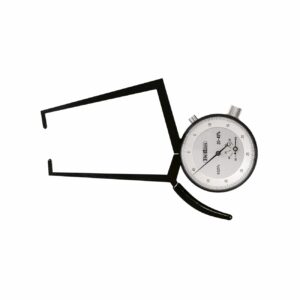
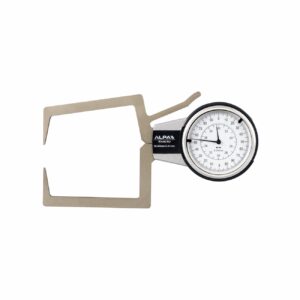
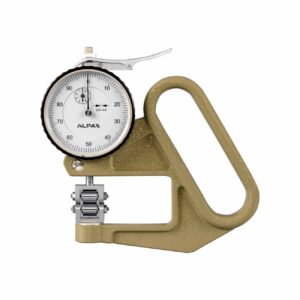
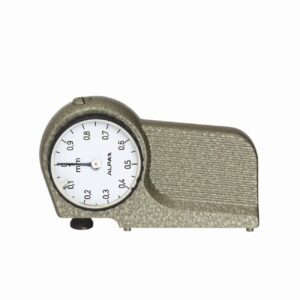
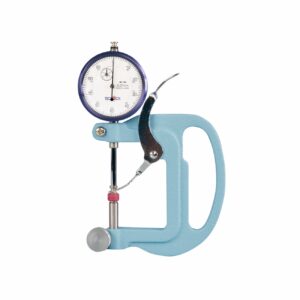
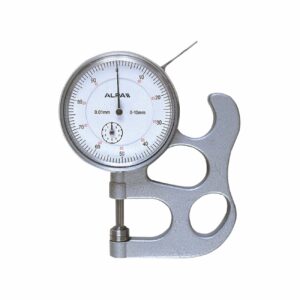
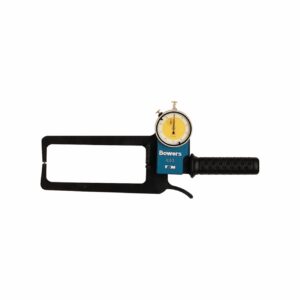
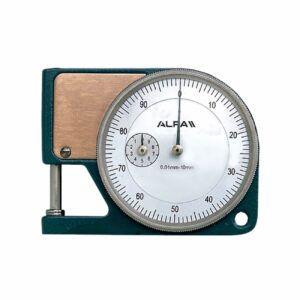
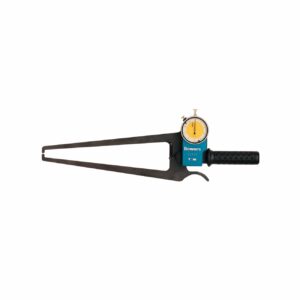
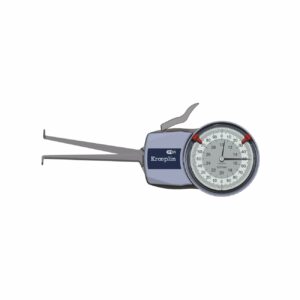
Dial gauges with probe arms are measuring instruments used to detect dimensional deviations from a reference value. They consist of an indicator, usually a dial or digital display, and a probe arm that contacts the surface of the object to be measured. The main function of these devices is to detect minimal variations in dimensions, thus ensuring that the parts produced meet design specifications.
The use of dial gauges with feeler arms is widespread in various industries, including automotive, aerospace and machine manufacturing. These instruments are used to measure flatness, roundness, concentricity and other geometric features of components. Due to their versatility, they can be used both during production and during final quality control, ensuring that each part meets the specified tolerances.
There are several advantages to using dial gauges with touch probe arms. First of all, they ensure extremely accurate measurements, minimising human error. In addition, their ability to detect minimal variations in dimensions allows for the rapid identification of defects in production processes, thus improving operational efficiency. Finally, the use of these instruments contributes to reducing production costs, minimising waste and optimising the use of resources.
The use of dial gauges with probe arms requires a certain amount of technical expertise. Before starting the measurement, it is essential to caliper the instrument to ensure maximum accuracy. Once calibrated, the probe arm is placed on the surface of the object to be measured. The operator must then read the value indicated on the dial or digital display and compare it with the reference value. In the event of deviations, necessary corrections can be made in the production process.
What is the difference between an analogue and a digital dial gauge?
Analogue dial gauges use a dial to display the measurements, whereas digital dial gauges show the values on an electronic display, offering greater accuracy and ease of reading.
How do I calibrate a dial indicator with probe arms?
Calibration is performed using a reference block of known dimensions. The dial gauge is adjusted until the measured value matches that of the block.
What are the main applications of dial gauges with feeler arms?
They are used to measure flatness, roundness, concentricity and other geometric features in the automotive, aerospace and machine manufacturing industries.
What materials can be measured with these instruments?
Dial gauges with probe arms can measure a wide range of materials, including metals, plastics and ceramics, as long as the surface is accessible to the probe arm.
What is the typical accuracy of a dial indicator with touch probe arms?
Accuracy varies depending on the model, but is generally around microns, making them suitable for high-precision measurements.
Can dial gauges with probe arms be used in harsh environments?
Yes, many models are designed to withstand harsh environmental conditions, such as dust and humidity, ensuring reliable performance.
What are the limitations of dial gauges with probe arms?
Limitations include the need for an accessible surface and the possibility of errors if not calibrated correctly. In addition, they are not suitable for measurements on uneven surfaces.
How is a dial indicator with probe arms maintained?
Maintenance includes regular cleaning of the probe arm and dial gauge, as well as periodic calibration to ensure measurement accuracy.
What are the alternatives to dial gauges with probe arms?
Alternatives include laser measuring instruments and co-ordinate measuring machines, which offer different measurement modes depending on your specific needs.
How do you choose the most suitable dial indicator for your needs?
The choice depends on the specific measurement needs, the required level of accuracy and the environmental conditions in which the instrument will be used.
What are dial gauges with touch probes?
Dial gauges with probe arms are measuring instruments used to detect dimensional deviations from a reference value. They consist of an indicator, usually a dial or digital display, and a probe arm that contacts the surface of the object to be measured. The main function of these devices is to detect minimal variations in dimensions, thus ensuring that the parts produced meet design specifications.
Use and applications of dial gauges with probe arms
The use of dial gauges with feeler arms is widespread in various industries, including automotive, aerospace and machine manufacturing. These instruments are used to measure flatness, roundness, concentricity and other geometric features of components. Due to their versatility, they can be used both during production and during final quality control, ensuring that each part meets the specified tolerances.
Advantages of dial gauges with probe arms
There are several advantages to using dial gauges with touch probe arms. First of all, they ensure extremely accurate measurements, minimising human error. In addition, their ability to detect minimal variations in dimensions allows for the rapid identification of defects in production processes, thus improving operational efficiency. Finally, the use of these instruments contributes to reducing production costs, minimising waste and optimising the use of resources.
How are dial gauges with probe arms used?
The use of dial gauges with probe arms requires a certain amount of technical expertise. Before starting the measurement, it is essential to caliper the instrument to ensure maximum accuracy. Once calibrated, the probe arm is placed on the surface of the object to be measured. The operator must then read the value indicated on the dial or digital display and compare it with the reference value. In the event of deviations, necessary corrections can be made in the production process.
Frequently asked questions about dial gauges with probe arms
What is the difference between an analogue and a digital dial gauge?
Analogue dial gauges use a dial to display the measurements, whereas digital dial gauges show the values on an electronic display, offering greater accuracy and ease of reading.
How do I calibrate a dial indicator with probe arms?
Calibration is performed using a reference block of known dimensions. The dial gauge is adjusted until the measured value matches that of the block.
What are the main applications of dial gauges with feeler arms?
They are used to measure flatness, roundness, concentricity and other geometric features in the automotive, aerospace and machine manufacturing industries.
What materials can be measured with these instruments?
Dial gauges with probe arms can measure a wide range of materials, including metals, plastics and ceramics, as long as the surface is accessible to the probe arm.
What is the typical accuracy of a dial indicator with touch probe arms?
Accuracy varies depending on the model, but is generally around microns, making them suitable for high-precision measurements.
Can dial gauges with probe arms be used in harsh environments?
Yes, many models are designed to withstand harsh environmental conditions, such as dust and humidity, ensuring reliable performance.
What are the limitations of dial gauges with probe arms?
Limitations include the need for an accessible surface and the possibility of errors if not calibrated correctly. In addition, they are not suitable for measurements on uneven surfaces.
How is a dial indicator with probe arms maintained?
Maintenance includes regular cleaning of the probe arm and dial gauge, as well as periodic calibration to ensure measurement accuracy.
What are the alternatives to dial gauges with probe arms?
Alternatives include laser measuring instruments and co-ordinate measuring machines, which offer different measurement modes depending on your specific needs.
How do you choose the most suitable dial indicator for your needs?
The choice depends on the specific measurement needs, the required level of accuracy and the environmental conditions in which the instrument will be used.
Showing all 17 results