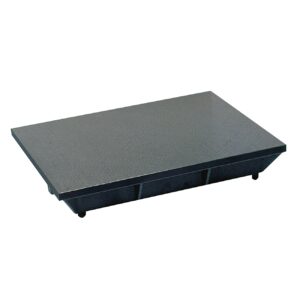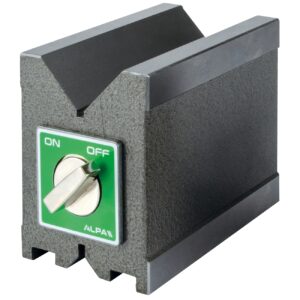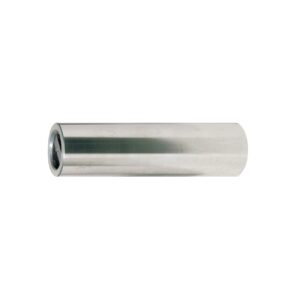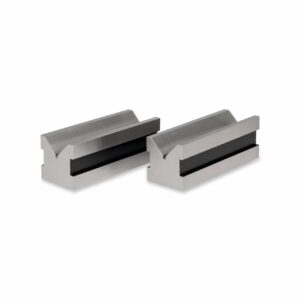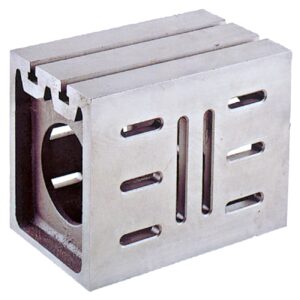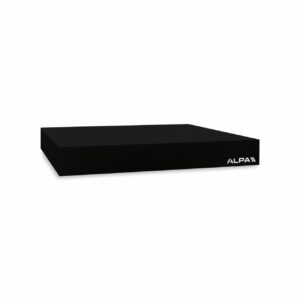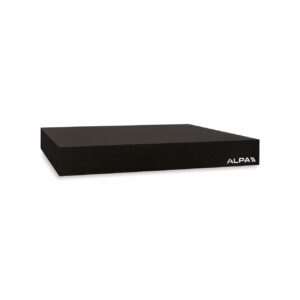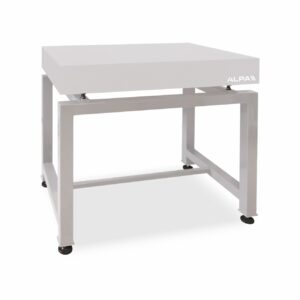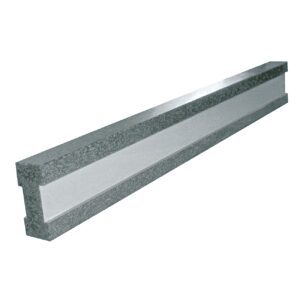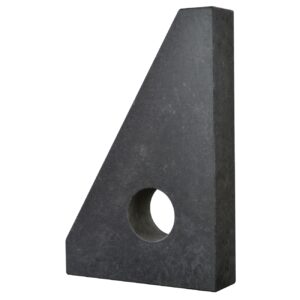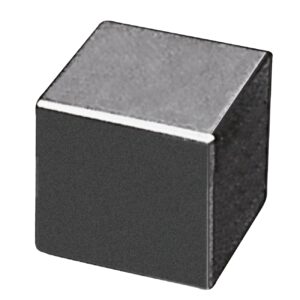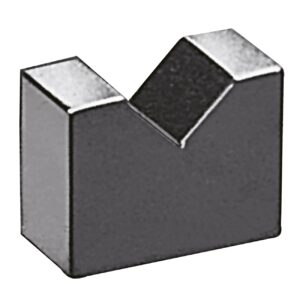



Striker plates are essential tools in the context of machine shops and manufacturing industries. These devices, also known as cast iron or granite datum planes, are flat reference surfaces used to inspect the flatness and dimensional accuracy of mechanical components. Their importance lies in their ability to ensure that machined parts adhere to specified tolerances, thus ensuring the quality and reliability of end products.
The importance of reference planes in machine shops
In the world of precision mechanics, quality and accuracy are paramount. Reference planes provide a stable and accurate reference surface, which is essential for dimensional control. These instruments are used to check the flatness, perpendicularity and alignment of mechanical components, ensuring that each part produced meets the required specifications. Their robustness and resistance to wear make them ideal for prolonged use in industrial environments.
Materials and construction of striker plates
Striker plates are generally made of cast iron or granite. Cast iron is valued for its dimensional stability and ability to absorb vibrations, while granite offers greater resistance to corrosion and less thermal expansion. Both materials are chosen for their ability to maintain an extremely flat and smooth surface, which is essential for accurate measurements. The choice of material depends on the specific requirements of the application and the working environment.
Use of striker plates in measurements
The main use of reference tables is as a reference base for measuring instruments such as gauges, micrometers and dial gauges. By placing a component on the strike plate, precise measurements of its height, flatness and other critical dimensions can be made. This process is essential to ensure that components adhere to the tolerances specified in engineering drawings, reducing the risk of errors and defects in final products.
Advantages of using striker plates
There are several advantages to using reference planes in machine shops. Firstly, they improve the accuracy of measurements, reducing the margin of error and increasing product quality. Furthermore, their robustness and durability make them a long-term investment for companies. Correlation tables also help optimise production processes, reducing inspection times and increasing overall efficiency.
Frequently asked questions about striker plates
One of the most common questions concerns the maintenance of striker plates. It is essential to keep the surface clean and free of debris to ensure accurate measurements. In addition, it is advisable to calibrate the striker plates regularly to ensure that they maintain their accuracy over time. Another frequently asked question concerns the choice between cast iron and granite. The decision depends on the specific needs of the application, considering factors such as the working environment and required tolerances.
Conclusion
Reference tables are indispensable tools for machine shops and manufacturing industries. They provide a stable and accurate reference basis for measurements, ensuring the quality and reliability of end products. Their importance cannot be underestimated, as they contribute to improving the accuracy, efficiency and overall quality of production processes. Investing in high-quality feedback plans is a strategic choice for any company that wishes to maintain high production standards and meet the needs of its customers.
Showing all 23 results