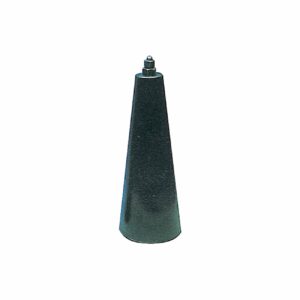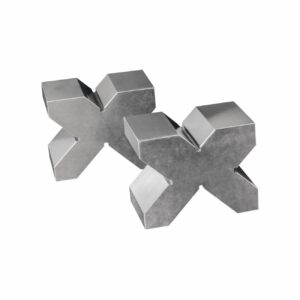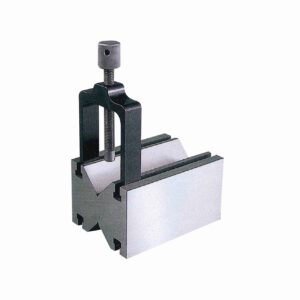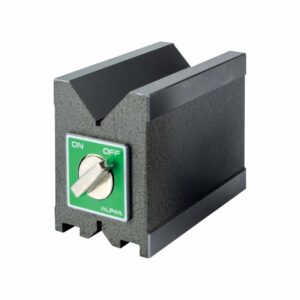



Reference tables represent a fundamental component in the mechanical workshop sector. These tools, which are often underestimated, play a crucial role in ensuring accuracy and reliability in measurement and control operations. In this article, we will explore in detail what reference tables are, what they are used for, how they are used and what benefits they offer to machine shops.
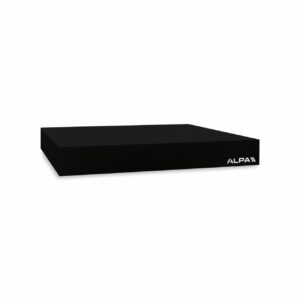
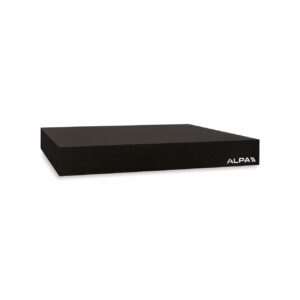
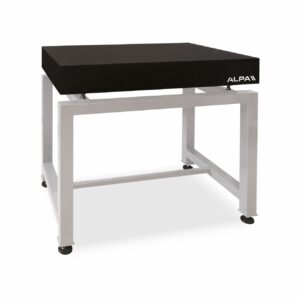
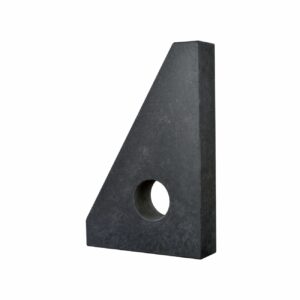
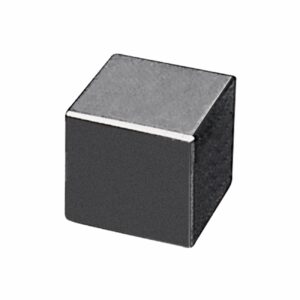
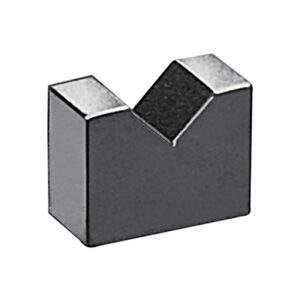
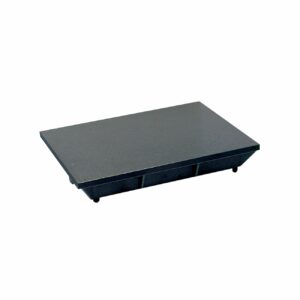
Striker plates are flat, smooth surfaces, usually made of cast iron or granite, used as a reference for precision measurements. Their main function is to provide a stable and accurate basis for the dimensional inspection of mechanical components. The surface of the striker plate is machined with extreme precision to ensure optimal flatness, which is essential for reliable measurements.
In machine shops, precision is crucial. Counter tops provide a stable reference surface that enables accurate and repeatable measurements. This is especially important when working with components that require close tolerances. The use of a striker plate reduces the risk of measurement errors, improving the overall quality of the final product.
The use of striker plates requires care and attention. First of all, it is essential to ensure that the surface of the plane is clean and free of debris. Even the smallest particle can affect the accuracy of measurements. Once clean, the component to be measured is placed on the striker plate. Measuring instruments such as calipers, micrometers or dial gauges are then used to take the necessary measurements. It is important that the operator is properly trained to ensure that the measurements are carried out correctly.
There are several advantages to using dial gauges in machine shops. Firstly, they improve the accuracy of measurements, reducing the margin of error. This translates into higher quality of the final product and a reduction in costs associated with rework or scrap. In addition, striker plates are durable and hard-wearing tools that require minimal maintenance if used correctly. Finally, their versatility makes them suitable for a wide range of applications, from routine measurements to more complex quality controls.
What materials are used to make the striker plates?
Striker plates are generally made of cast iron or granite, materials chosen for their stability and resistance to wear.
How is the flatness of a striker plate maintained?
Flatness is maintained by regular cleaning and, if necessary, reworking of the surface by specialised technicians.
What is the difference between a cast iron and a granite countertop?
Cast iron countertops are heavier and offer greater impact resistance, whereas granite countertops are lighter and more resistant to corrosion.
How often is it necessary to caliper a striker plate?
The frequency of calibration depends on use and the working environment, but an annual check is generally recommended.
Can striker plates be used outdoors?
It is not recommended to use striker plates outdoors, as environmental conditions can affect the accuracy of measurements.
Which measuring instruments are compatible with the reference planes?
Calipers, micrometers, dial gauges and other precision instruments are commonly used with reference planes.
How do I clean a striker plate correctly?
Use a soft cloth and a non-abrasive cleaner to remove dust and debris from the surface of the table.
Can a damaged striker plate be repaired?
In case of significant damage, the surface of the countertop can be reworked to restore its flatness.
What are the standard dimensions of the striker plates?
Striker plates are available in different sizes, depending on the specific needs of the workshop.
How do I choose the right striker plate for a specific application?
The choice depends on the size of the component to be measured and the level of accuracy required.
What are reference planes?
Striker plates are flat, smooth surfaces, usually made of cast iron or granite, used as a reference for precision measurements. Their main function is to provide a stable and accurate basis for the dimensional inspection of mechanical components. The surface of the striker plate is machined with extreme precision to ensure optimal flatness, which is essential for reliable measurements.
The importance of reference planes in machine shops
In machine shops, precision is crucial. Counter tops provide a stable reference surface that enables accurate and repeatable measurements. This is especially important when working with components that require close tolerances. The use of a striker plate reduces the risk of measurement errors, improving the overall quality of the final product.
How are striker plates used?
The use of striker plates requires care and attention. First of all, it is essential to ensure that the surface of the plane is clean and free of debris. Even the smallest particle can affect the accuracy of measurements. Once clean, the component to be measured is placed on the striker plate. Measuring instruments such as calipers, micrometers or dial gauges are then used to take the necessary measurements. It is important that the operator is properly trained to ensure that the measurements are carried out correctly.
Advantages of using striker plates
There are several advantages to using dial gauges in machine shops. Firstly, they improve the accuracy of measurements, reducing the margin of error. This translates into higher quality of the final product and a reduction in costs associated with rework or scrap. In addition, striker plates are durable and hard-wearing tools that require minimal maintenance if used correctly. Finally, their versatility makes them suitable for a wide range of applications, from routine measurements to more complex quality controls.
Frequently asked questions about reference planes
What materials are used to make the striker plates?
Striker plates are generally made of cast iron or granite, materials chosen for their stability and resistance to wear.
How is the flatness of a striker plate maintained?
Flatness is maintained by regular cleaning and, if necessary, reworking of the surface by specialised technicians.
What is the difference between a cast iron and a granite countertop?
Cast iron countertops are heavier and offer greater impact resistance, whereas granite countertops are lighter and more resistant to corrosion.
How often is it necessary to caliper a striker plate?
The frequency of calibration depends on use and the working environment, but an annual check is generally recommended.
Can striker plates be used outdoors?
It is not recommended to use striker plates outdoors, as environmental conditions can affect the accuracy of measurements.
Which measuring instruments are compatible with the reference planes?
Calipers, micrometers, dial gauges and other precision instruments are commonly used with reference planes.
How do I clean a striker plate correctly?
Use a soft cloth and a non-abrasive cleaner to remove dust and debris from the surface of the table.
Can a damaged striker plate be repaired?
In case of significant damage, the surface of the countertop can be reworked to restore its flatness.
What are the standard dimensions of the striker plates?
Striker plates are available in different sizes, depending on the specific needs of the workshop.
How do I choose the right striker plate for a specific application?
The choice depends on the size of the component to be measured and the level of accuracy required.
Showing all 21 results