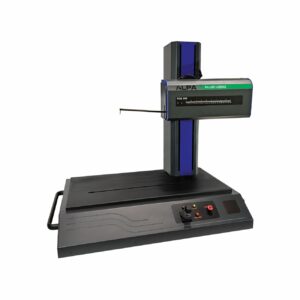



In the world of mechanical engineering, precision is crucial. Measuring instruments such as roughness gauges and profilometers play a crucial role in ensuring that mechanical components meet the required specifications. These instruments are essential for assessing the quality of surfaces and ensuring that final products conform to quality standards. In this article, we will explore in detail what roughness and profilometers are, how they work, their benefits and practical applications in machine shops.
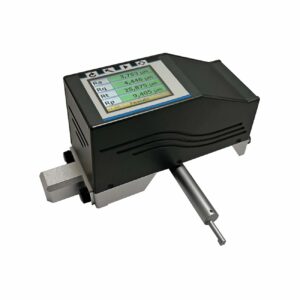
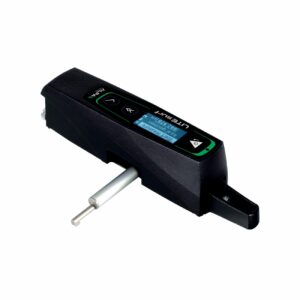
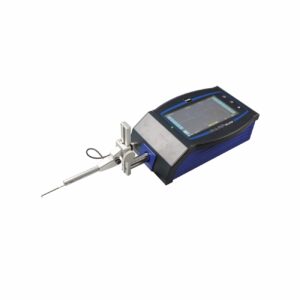
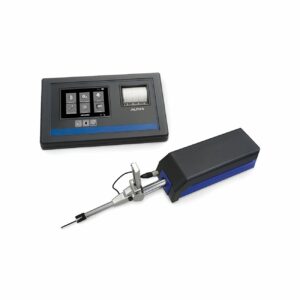
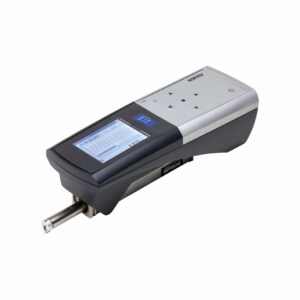
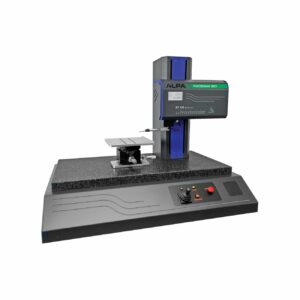
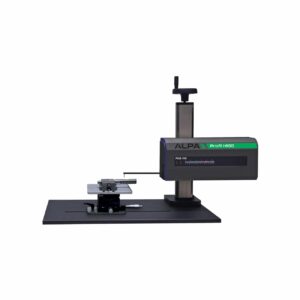
Roughness gauges and profilometers are measuring instruments used to analyse the surface of a material. While roughness gauges focus primarily on measuring surface roughness, profilometers are designed to provide a detailed surface profile, measuring both roughness and overall shape. These instruments are essential to ensure that the surfaces of mechanical components are smooth and free of imperfections that could compromise their performance.
Roughness gauges use a sensor that runs along the surface of the material to measure changes in height. These variations are then analysed to determine the roughness of the surface. Profilometers, on the other hand, use advanced technologies such as optical or contacts profilometry to create a three-dimensional profile of the surface. These instruments can provide detailed data on surface topography, allowing engineers to identify any defects or irregularities.
In machine shops, roughness and profilometers are used for a variety of applications. They are essential for quality control, ensuring that the components produced meet the required specifications. These instruments are also used in research and development to optimise production processes and improve product quality. In addition, they are crucial for preventive maintenance, helping to identify potential problems before they become critical.
The use of roughness and profilometers offers numerous advantages. First of all, they improve the quality of end products by ensuring that surfaces are smooth and free of defects. They also help reduce production costs by identifying and correcting problems before they become costly to fix. These tools also improve the efficiency of production processes by providing accurate and reliable data that can be used to optimise operations.
What is the main difference between a roughness tester and a profilometer?
The main difference lies in their function: roughness gauges measure surface roughness, while profilometers provide a detailed surface profile, including both roughness and overall shape.
How do you caliper a roughness tester?
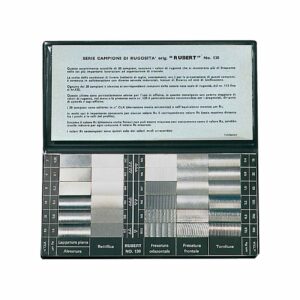
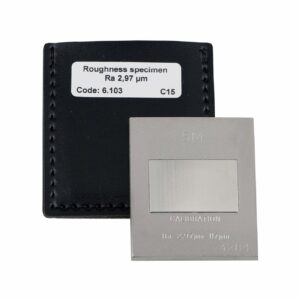
Calibrating a roughness tester requires the use of certified reference standards. The sensor is run over these standards to ensure that measurements are accurate.
What types of roughness testers are available?
There are mainly two types of roughness testers: contact and non-contact. Contact roughness testers use a physical sensor, while non-contact roughness testers use optical technology.
Why is it important to measure surface roughness?
Surface roughness can affect the performance of a component, including its wear resistance, sealing ability and friction. Measuring roughness helps ensure that components perform properly.
Which industries use surface roughness gauges and profilometers?
In addition to the mechanical industry, these instruments are used in the automotive, aerospace, electronics and medical sectors, where surface accuracy is crucial.
How do I choose the right roughness tester or profilometer?
The choice depends on the specific measurement needs, the type of surface to be analysed and the level of accuracy required.
What technologies are used in profilometers?
Profilometers can use contacts, optical or laser technologies to measure the surface. Each technology has its advantages and limitations.
How often do profilometers need to be calibrated?
The frequency of calibration depends on the use of the instrument and the manufacturer's specifications, but an annual calibration is generally recommended.
What are the limitations of roughness and profilometers?
Limitations include the difficulty of measuring highly reflective or transparent surfaces and the need for regular calibration to maintain accuracy.
How does roughness affect the life of a component?
Excessive roughness can increase wear and reduce the life of a component, while a surface that is too smooth can negatively affect lubrication and friction.
What are Roughness Meters and Profilometers?
Roughness gauges and profilometers are measuring instruments used to analyse the surface of a material. While roughness gauges focus primarily on measuring surface roughness, profilometers are designed to provide a detailed surface profile, measuring both roughness and overall shape. These instruments are essential to ensure that the surfaces of mechanical components are smooth and free of imperfections that could compromise their performance.
How do roughness and profilometers work?
Roughness gauges use a sensor that runs along the surface of the material to measure changes in height. These variations are then analysed to determine the roughness of the surface. Profilometers, on the other hand, use advanced technologies such as optical or contacts profilometry to create a three-dimensional profile of the surface. These instruments can provide detailed data on surface topography, allowing engineers to identify any defects or irregularities.
Practical applications in machine shops
In machine shops, roughness and profilometers are used for a variety of applications. They are essential for quality control, ensuring that the components produced meet the required specifications. These instruments are also used in research and development to optimise production processes and improve product quality. In addition, they are crucial for preventive maintenance, helping to identify potential problems before they become critical.
Benefits of using roughness and profilometers
The use of roughness and profilometers offers numerous advantages. First of all, they improve the quality of end products by ensuring that surfaces are smooth and free of defects. They also help reduce production costs by identifying and correcting problems before they become costly to fix. These tools also improve the efficiency of production processes by providing accurate and reliable data that can be used to optimise operations.
Frequently asked questions about roughness and profilometers
What is the main difference between a roughness tester and a profilometer?
The main difference lies in their function: roughness gauges measure surface roughness, while profilometers provide a detailed surface profile, including both roughness and overall shape.
How do you caliper a roughness tester?
Calibrating a roughness tester requires the use of certified reference standards. The sensor is run over these standards to ensure that measurements are accurate.
What types of roughness testers are available?
There are mainly two types of roughness testers: contact and non-contact. Contact roughness testers use a physical sensor, while non-contact roughness testers use optical technology.
Why is it important to measure surface roughness?
Surface roughness can affect the performance of a component, including its wear resistance, sealing ability and friction. Measuring roughness helps ensure that components perform properly.
Which industries use surface roughness gauges and profilometers?
In addition to the mechanical industry, these instruments are used in the automotive, aerospace, electronics and medical sectors, where surface accuracy is crucial.
How do I choose the right roughness tester or profilometer?
The choice depends on the specific measurement needs, the type of surface to be analysed and the level of accuracy required.
What technologies are used in profilometers?
Profilometers can use contacts, optical or laser technologies to measure the surface. Each technology has its advantages and limitations.
How often do profilometers need to be calibrated?
The frequency of calibration depends on the use of the instrument and the manufacturer's specifications, but an annual calibration is generally recommended.
What are the limitations of roughness and profilometers?
Limitations include the difficulty of measuring highly reflective or transparent surfaces and the need for regular calibration to maintain accuracy.
How does roughness affect the life of a component?
Excessive roughness can increase wear and reduce the life of a component, while a surface that is too smooth can negatively affect lubrication and friction.
Showing all 19 results