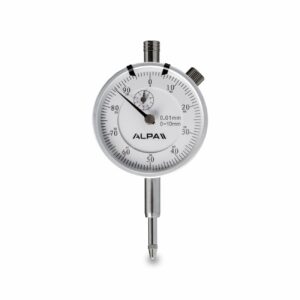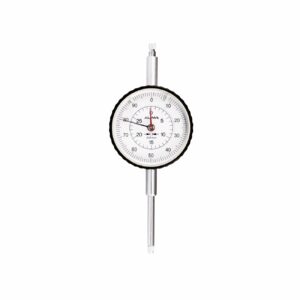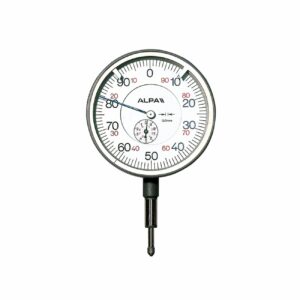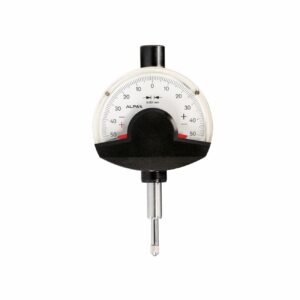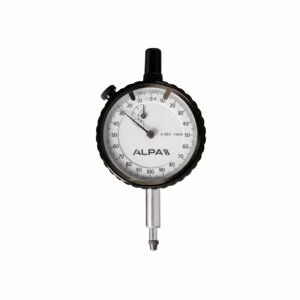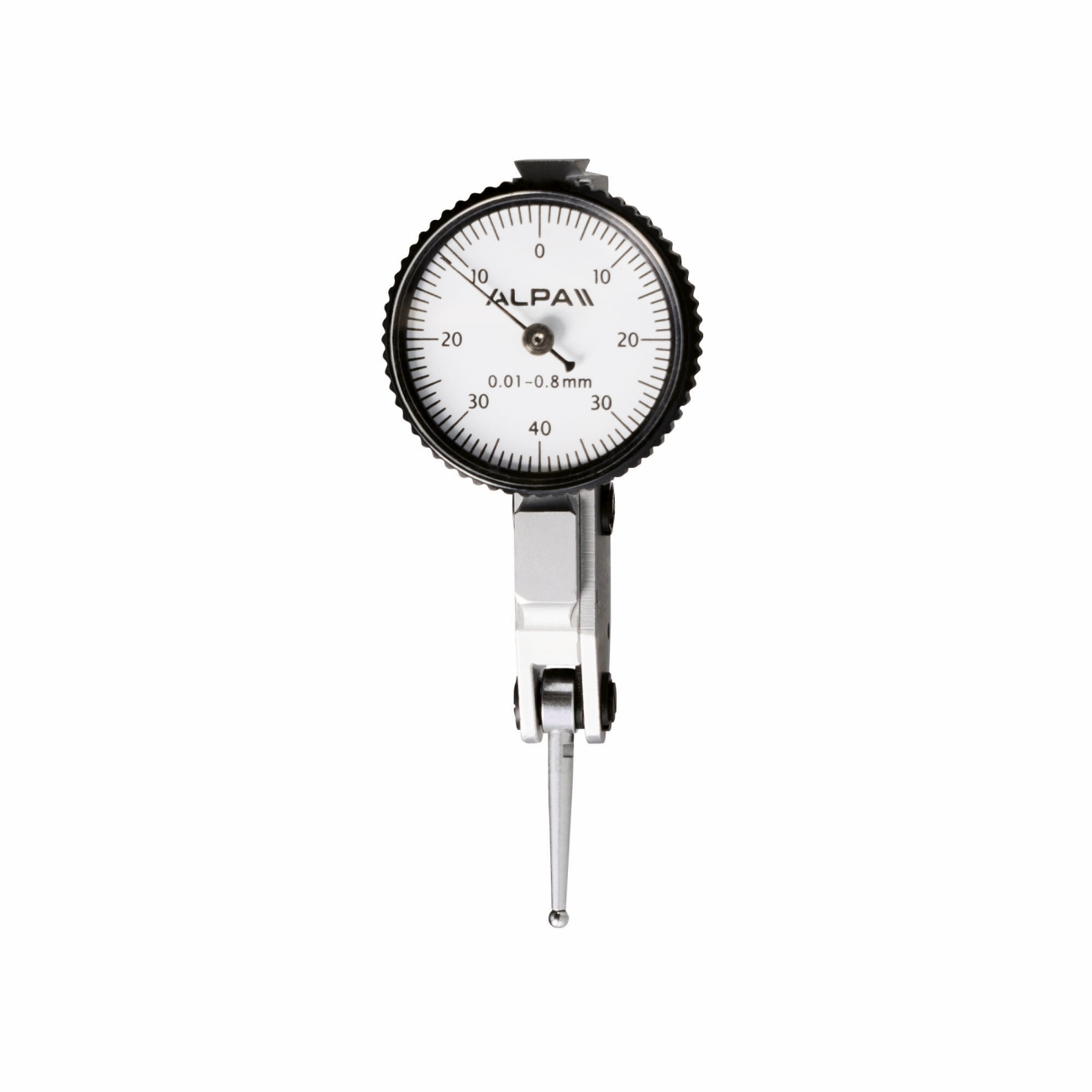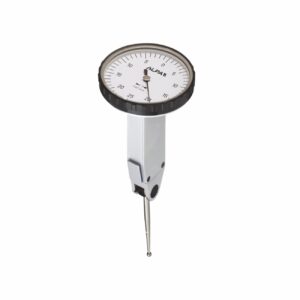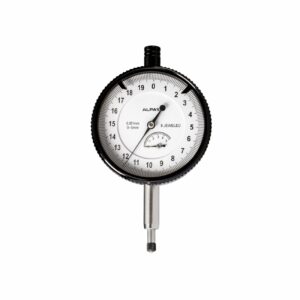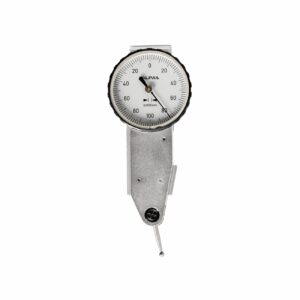



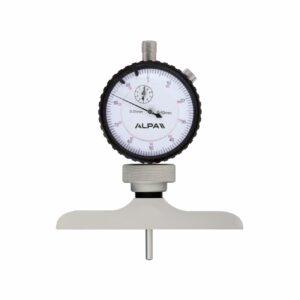
In the world of machine shops, precision is crucial. The instruments used must guarantee accurate measurements to ensure that each component conforms to the required specifications. Among these instruments, analogue dial gauges play a key role. These devices, also known as dial indicators, are used to measure small variations in size or displacement, offering an accuracy that can make the difference between a quality product and a poor one.
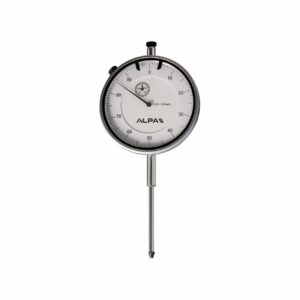
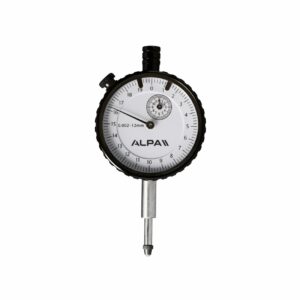
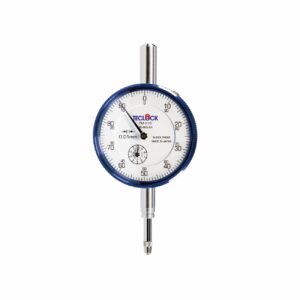
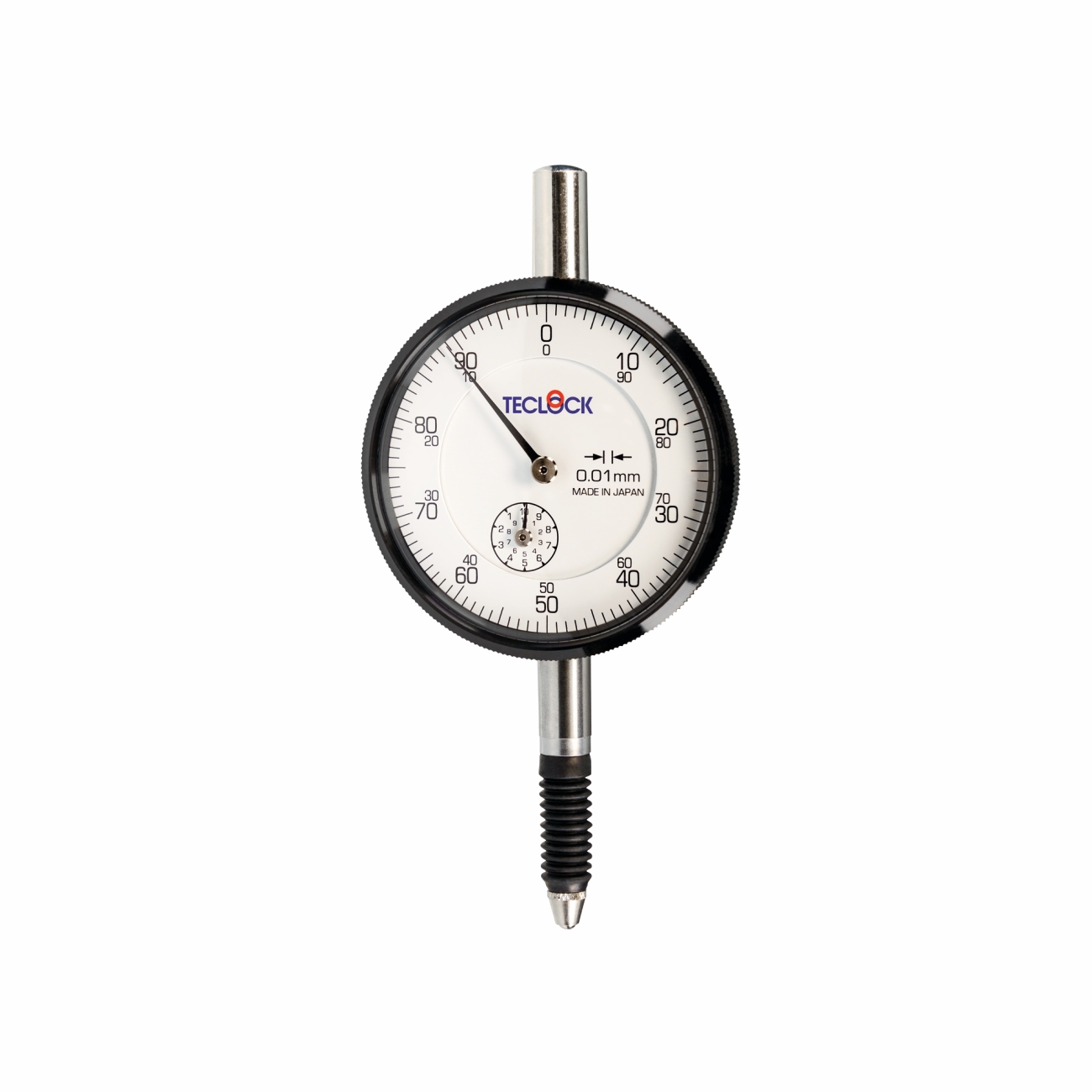
Analogue dial gauges are measuring instruments that use a dial to display changes in dimensions. They work by means of a lever mechanism that amplifies the movement of a contact pin, translating it into a reading on the dial. This type of dial indicator is particularly appreciated for its simplicity and reliability, making it an indispensable tool in many industrial applications.
In machine shops, analogue dial gauges are used for a variety of applications. They are used to check the flatness, roundness and alignment of mechanical components. In addition, they are essential for verifying the conformity of machined parts to design specifications. Their ability to provide precise measurements makes them ideal for quality control, where even the slightest deviation can affect the performance of the final product.
Analogue dial gauges offer several advantages that make them preferable in many situations over their digital counterparts. First of all, their robust construction makes them suitable for tough working conditions, typical of machine shops. Furthermore, they do not require a power supply, eliminating the risk of interruptions due to low batteries. The analogue readout, although it may seem less modern, offers a continuous and immediate display of variations, making it easier for operators to interpret data.
Choosing the right analogue dial indicator depends on several factors, including the accuracy required, the working environment and the type of measurement to be made. It is important to consider the dial resolution, which determines the smallest variation the instrument can detect. In addition, the length of the contact pin and the type of mounting are crucial aspects to evaluate to ensure that the dial gauge is suitable for the specific application.
To ensure the longevity and accuracy of analogue dial gauges, regular maintenance is essential. Instruments should be cleaned after each use to remove dust and debris that could affect their operation. In addition, it is advisable to caliper the dial gauges periodically to ensure that measurements are always accurate. Storage in a dry, moisture-free environment helps prevent corrosion and deterioration of components.
Despite their traditional nature, analogue dial gauges have benefited from technological innovations that have improved their performance. Advanced materials and modern manufacturing techniques have made it possible to produce stronger and more accurate instruments. Furthermore, some models are equipped with additional functions, such as the ability to record measurements or to be integrated into automated quality control systems.
What is the difference between an analogue and a digital dial indicator?
Analogue dial gauges use a dial to display measurements, whereas digital dial gauges show data on an electronic display. Analogue ones are more robust and do not require a power supply.
How do you caliper an analogue dial gauge?
Calibrating an analogue dial indicator is done using precision calibration blocks to verify and adjust the accuracy of the readings.
What are the common applications of analogue dial gauges?
They are used to measure flatness, roundness and alignment of mechanical components, as well as for quality control in machine shops.
Can analogue dial gauges be used in wet environments?
Although they are robust, it is preferable to avoid damp environments to prevent corrosion. It is advisable to store them in a dry place.
What is the typical resolution of an analogue dial gauge?
Resolution varies, but many models offer an accuracy of 0.01 mm, which is sufficient for most industrial applications.
How is an analogue dial indicator maintained?
Cleaning the instrument regularly, calibrating it periodically and storing it in a dry environment are essential maintenance practices.
Are analogue dial gauges suitable for dynamic measurements?
They are best suited for static measurements. For dynamic measurements, digital dial gauges may offer better performance.
What materials are used to build analogue dial gauges?
They are generally made of stainless steel or other corrosion-resistant materials to ensure durability and accuracy.
Can analogue dial gauges be used for large measurements?
They are best suited for measurements of small variations. For large dimensions, different measuring instruments may be required.
How do I choose the right analogue dial gauge for a specific application?
Consider the accuracy required, the working environment and the type of measurement to select the most suitable model for your needs.
What are analogue dial gauges?
Analogue dial gauges are measuring instruments that use a dial to display changes in dimensions. They work by means of a lever mechanism that amplifies the movement of a contact pin, translating it into a reading on the dial. This type of dial indicator is particularly appreciated for its simplicity and reliability, making it an indispensable tool in many industrial applications.
Use of analogue dial gauges in machine shops
In machine shops, analogue dial gauges are used for a variety of applications. They are used to check the flatness, roundness and alignment of mechanical components. In addition, they are essential for verifying the conformity of machined parts to design specifications. Their ability to provide precise measurements makes them ideal for quality control, where even the slightest deviation can affect the performance of the final product.
Advantages of analogue dial gauges
Analogue dial gauges offer several advantages that make them preferable in many situations over their digital counterparts. First of all, their robust construction makes them suitable for tough working conditions, typical of machine shops. Furthermore, they do not require a power supply, eliminating the risk of interruptions due to low batteries. The analogue readout, although it may seem less modern, offers a continuous and immediate display of variations, making it easier for operators to interpret data.
How to choose the right analogue dial indicator
Choosing the right analogue dial indicator depends on several factors, including the accuracy required, the working environment and the type of measurement to be made. It is important to consider the dial resolution, which determines the smallest variation the instrument can detect. In addition, the length of the contact pin and the type of mounting are crucial aspects to evaluate to ensure that the dial gauge is suitable for the specific application.
Maintenance and care of analogue dial gauges
To ensure the longevity and accuracy of analogue dial gauges, regular maintenance is essential. Instruments should be cleaned after each use to remove dust and debris that could affect their operation. In addition, it is advisable to caliper the dial gauges periodically to ensure that measurements are always accurate. Storage in a dry, moisture-free environment helps prevent corrosion and deterioration of components.
Innovations in analogue dial gauges
Despite their traditional nature, analogue dial gauges have benefited from technological innovations that have improved their performance. Advanced materials and modern manufacturing techniques have made it possible to produce stronger and more accurate instruments. Furthermore, some models are equipped with additional functions, such as the ability to record measurements or to be integrated into automated quality control systems.
FAQ on analogue dial gauges
What is the difference between an analogue and a digital dial indicator?
Analogue dial gauges use a dial to display measurements, whereas digital dial gauges show data on an electronic display. Analogue ones are more robust and do not require a power supply.
How do you caliper an analogue dial gauge?
Calibrating an analogue dial indicator is done using precision calibration blocks to verify and adjust the accuracy of the readings.
What are the common applications of analogue dial gauges?
They are used to measure flatness, roundness and alignment of mechanical components, as well as for quality control in machine shops.
Can analogue dial gauges be used in wet environments?
Although they are robust, it is preferable to avoid damp environments to prevent corrosion. It is advisable to store them in a dry place.
What is the typical resolution of an analogue dial gauge?
Resolution varies, but many models offer an accuracy of 0.01 mm, which is sufficient for most industrial applications.
How is an analogue dial indicator maintained?
Cleaning the instrument regularly, calibrating it periodically and storing it in a dry environment are essential maintenance practices.
Are analogue dial gauges suitable for dynamic measurements?
They are best suited for static measurements. For dynamic measurements, digital dial gauges may offer better performance.
What materials are used to build analogue dial gauges?
They are generally made of stainless steel or other corrosion-resistant materials to ensure durability and accuracy.
Can analogue dial gauges be used for large measurements?
They are best suited for measurements of small variations. For large dimensions, different measuring instruments may be required.
How do I choose the right analogue dial gauge for a specific application?
Consider the accuracy required, the working environment and the type of measurement to select the most suitable model for your needs.
Showing 1–24 of 71 results