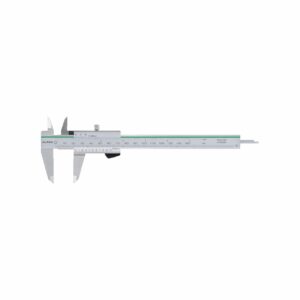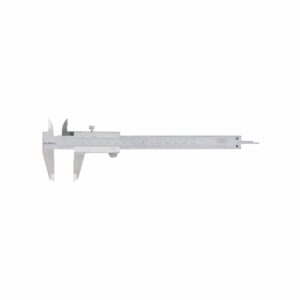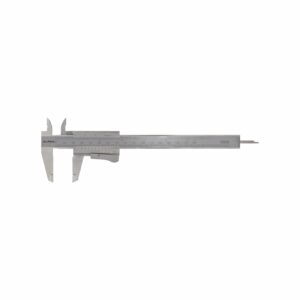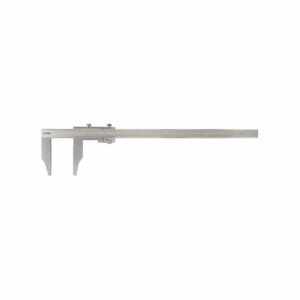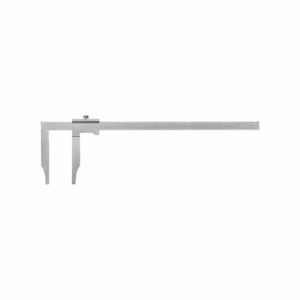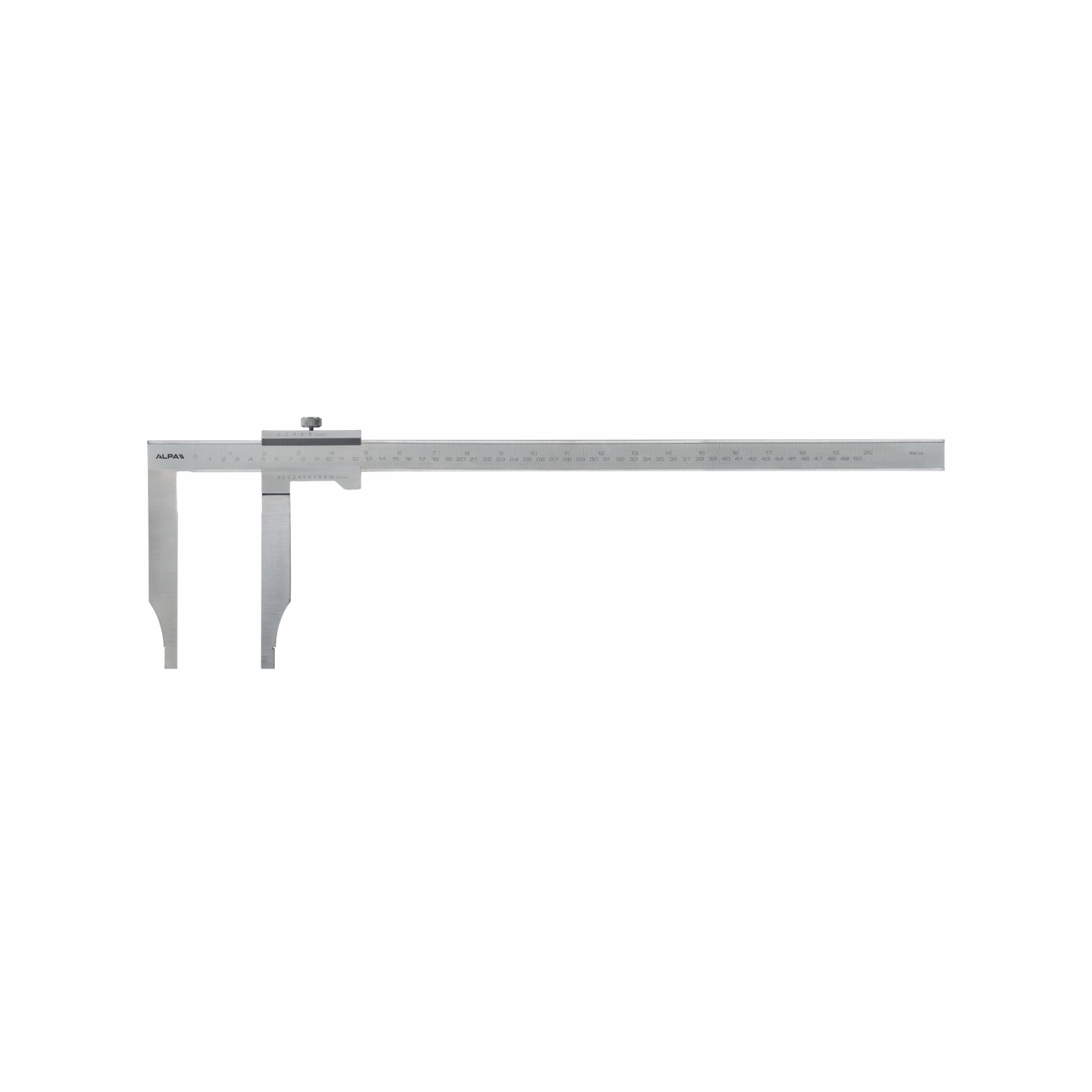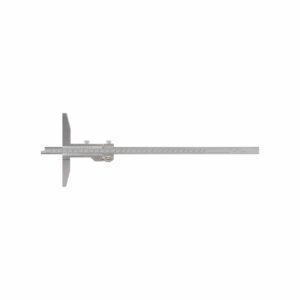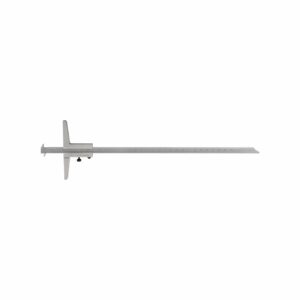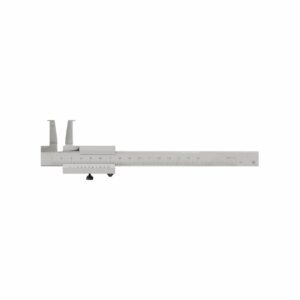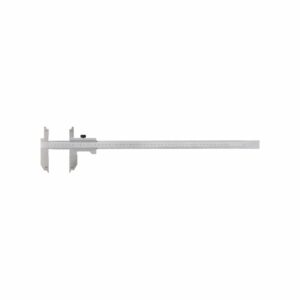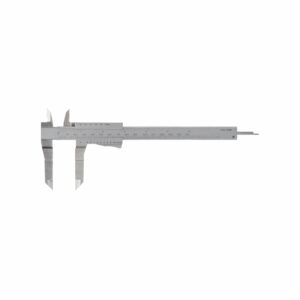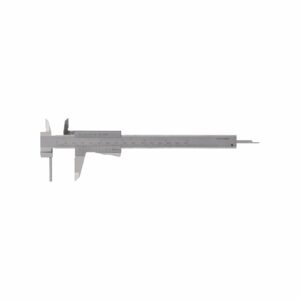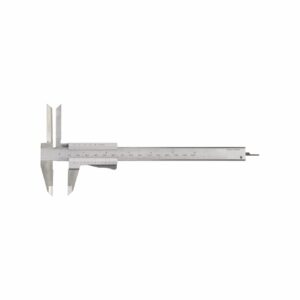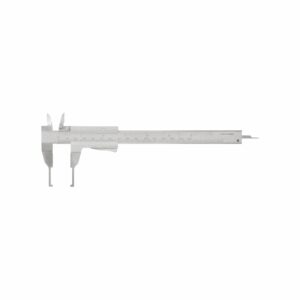



Analogue gauges are an essential tool in machine shops, where precision and accuracy of measurements are essential to ensure the quality of finished products. These measuring instruments, also known as slide gauges, are used to determine the external, internal and depth dimensions of an object with a high degree of accuracy. In this in-depth look, we will explore in detail what analogue gauges are, how they work, their advantages and practical applications in machine shops.
Introduction to analogue gauges
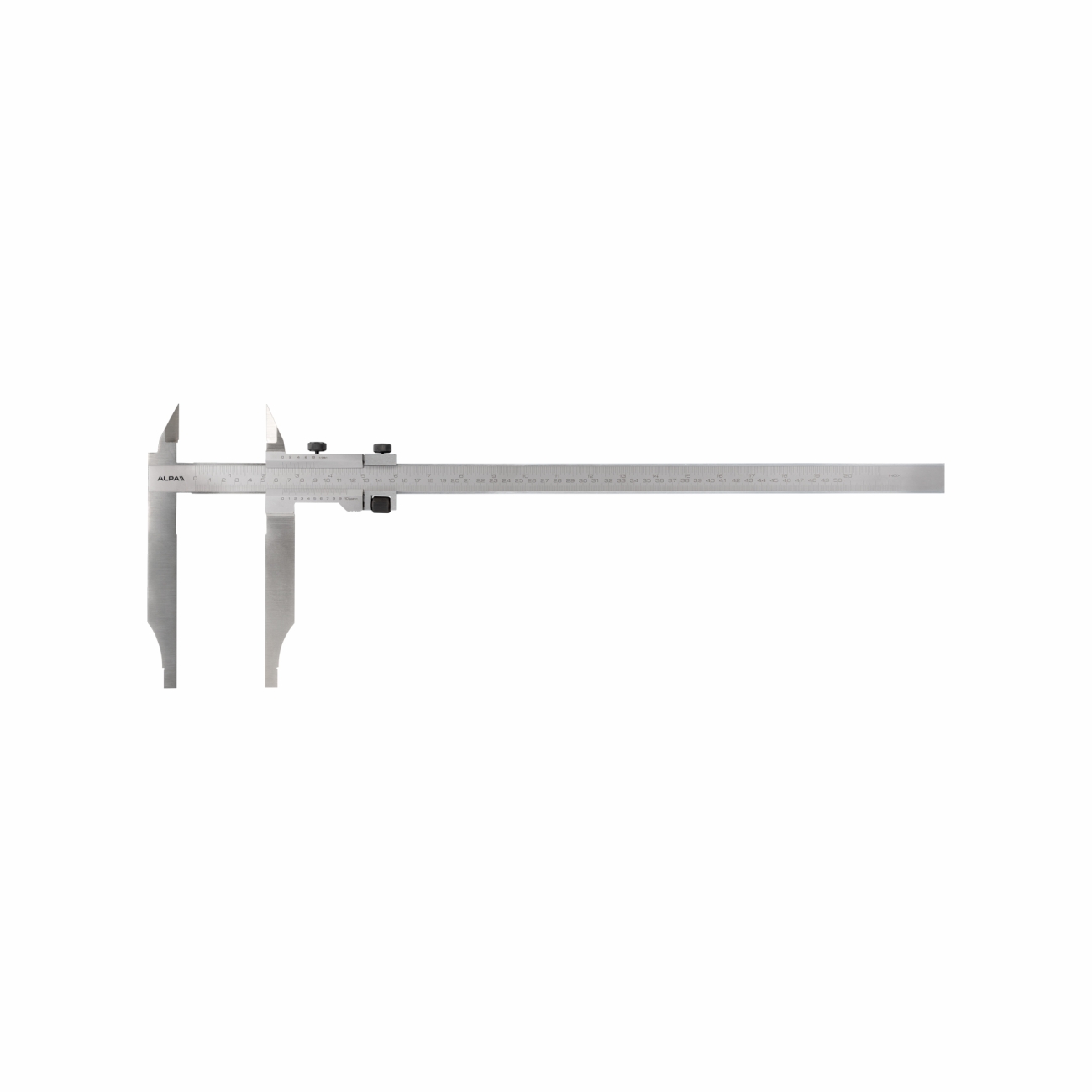
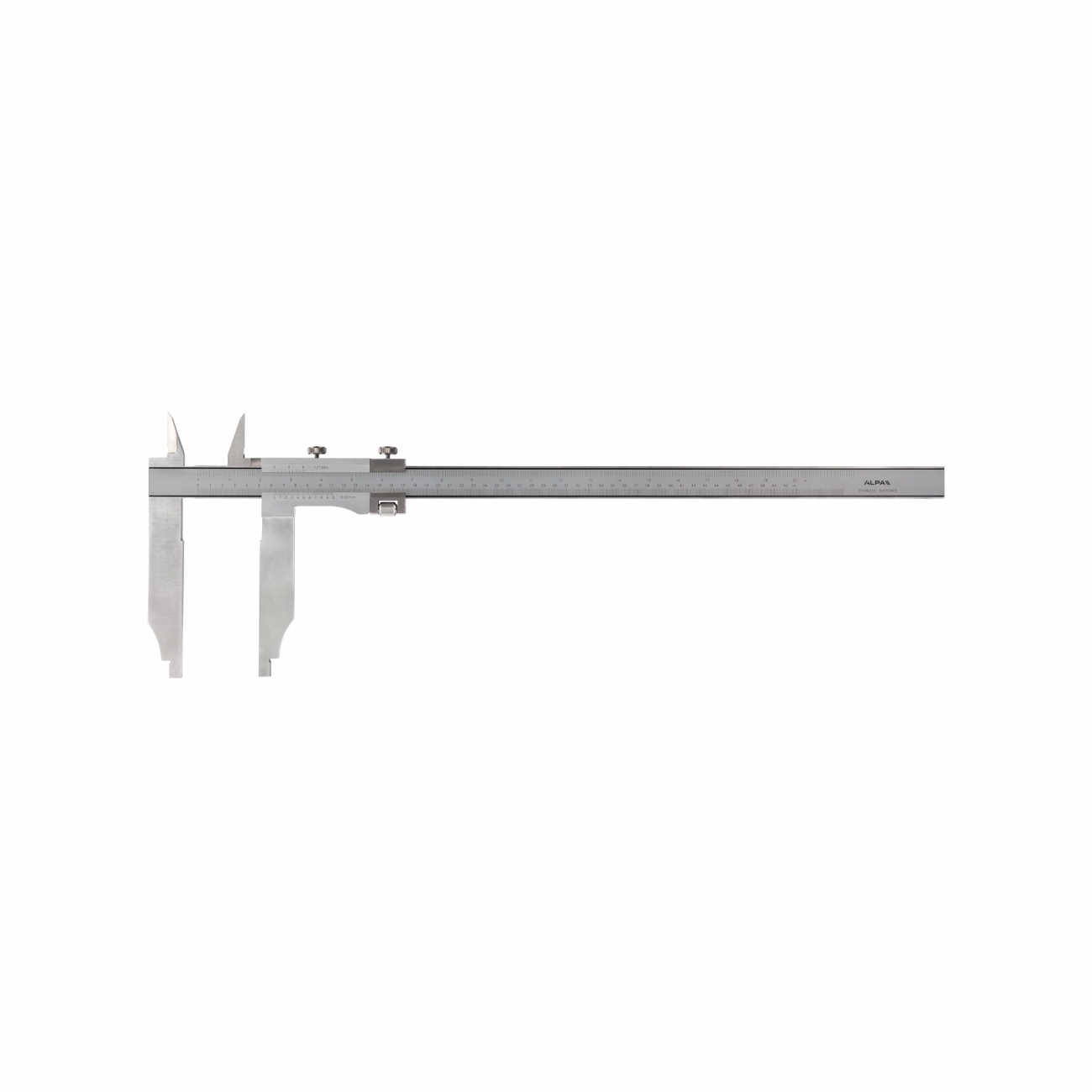
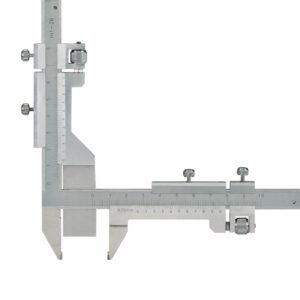
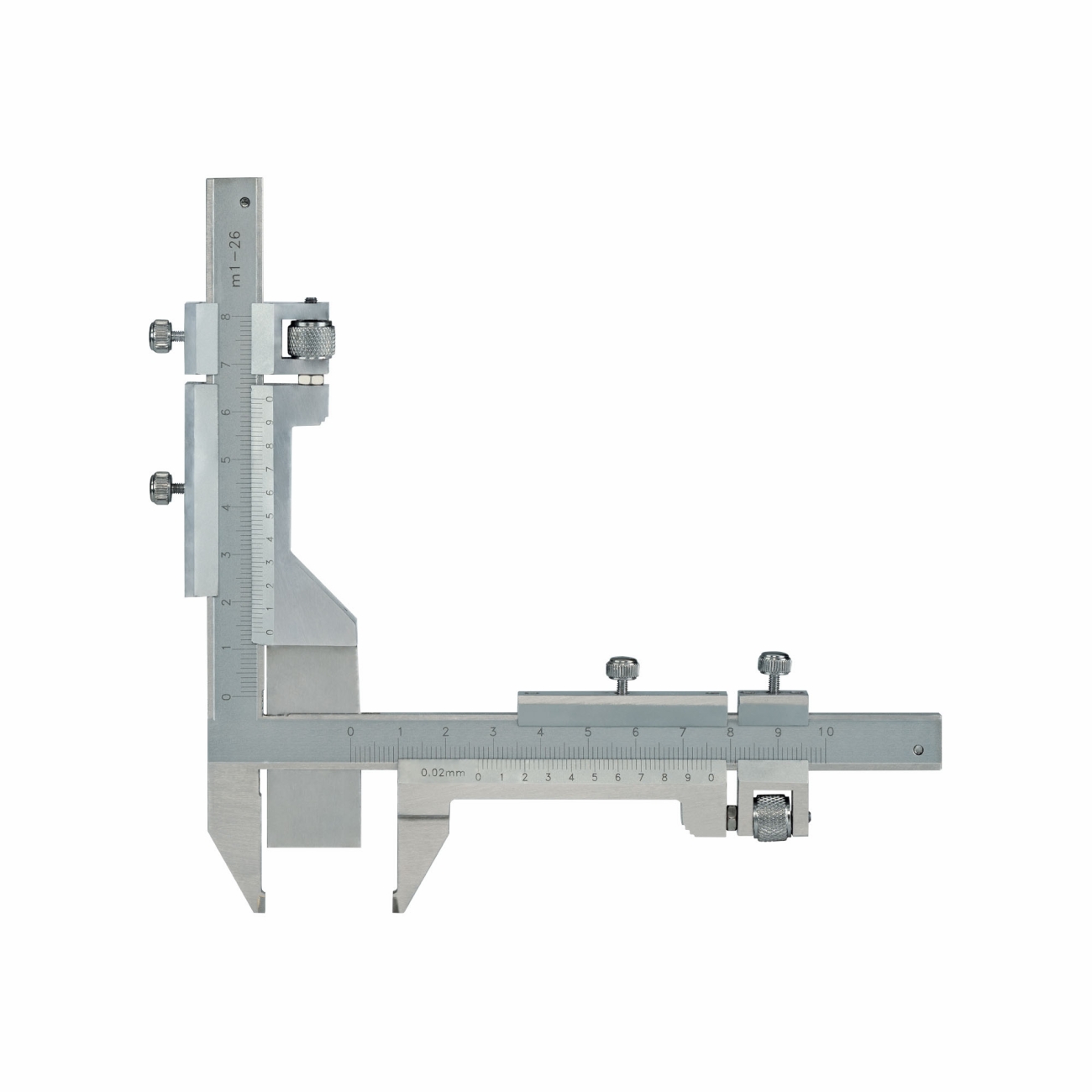
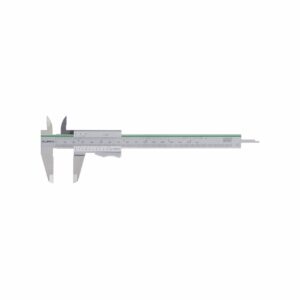
Analogue gauges are mechanical measuring instruments that use a graduated scale system to provide accurate readings of the dimensions of an object. Unlike digital gauges, which show measurements on an electronic display, analogue gauges require the operator to read measurements directly from the graduated scale. This type of gauge consists of a main body, a moveable slide and a vernier scale, which enables readings to be obtained with an accuracy of up to 0.02 millimetres.
Operation of analogue gauges
The operation of analogue gauges is based on a graduated scale system. The main scale is engraved on the gauge body and provides measurements in millimetres or inches. The mobile slide, which runs along the body of the gauge, is equipped with a vernier scale that allows fractions of a millimetre or inch to be read off. To take a measurement, the operator must place the jaws of the gauge on the object to be measured and read the measurement on the main scale and the vernier scale. The sum of the two readings gives the final measurement.
Advantages of analogue gauges
Despite the advent of digital gauges, analogue gauges continue to be preferred in many applications for several reasons. Firstly, analogue gauges do not require batteries, which makes them always ready for use and reliable in environments where power supply can be an issue. In addition, their robust construction makes them resistant to harsh environmental conditions, such as dust and humidity, common in machine shops. Another significant advantage is the ability to provide a continuous reading, which can be useful for monitoring dimensional changes during the machining process.
Practical applications in machine shops
In machine shops, analogue gauges are used for a wide range of applications. They are essential for quality control, where the accuracy of measurements is crucial to ensure that manufactured components meet design specifications. Analogue gauges are used to measure outside and inside diameters, thicknesses and depths of holes. They are also used to check dimensional tolerances, ensuring that machined parts fit correctly in their final applications.
Maintenance and care of analogue gauges
To ensure the longevity and accuracy of analogue gauges, proper maintenance is essential. After each use, it is advisable to clean the gauge with a soft cloth to remove dust and debris. In addition, it is important to lubricate the moving parts periodically to ensure smooth movement of the caliper. When not in use, calipers should be stored in a dry, protected place to prevent corrosion.
Frequently asked questions about analogue gauges
1. What is the difference between an analogue and a digital caliper?
Analogue gauges use graduated scales to give manual readings, whereas digital gauges show measurements on an electronic display. Analogue gauges do not require batteries and are more robust in harsh environments.
2. How do you read an analogue gauge?
To read an analogue gauge, you place the jaws on the object to be measured and read the measurements from the main scale and the vernier scale. The sum of the two readings gives the final measurement.
3. What are the common applications of analogue gauges?
Analogue gauges are used to measure outside and inside diameters, thicknesses and depths of holes, and to check dimensional tolerances in quality control processes.
4. How do I maintain an analogue gauge?
It is important to clean the gauge after each use, lubricate moving parts and store it in a dry place to prevent corrosion.
5. Why choose an analogue gauge over a digital one?
Analogue gauges are preferred for their reliability in harsh environments, lack of need for batteries and ability to provide continuous readings.
Conclusion
Analogue gauges remain an indispensable tool in machine shops due to their accuracy, reliability and durability. Despite the advancement of digital technology, analogue gauges continue to offer significant advantages in terms of durability and ease of use. With proper maintenance, these instruments can provide accurate measurements for many years, contributing to successful production and quality control operations.
Showing 1–24 of 30 results