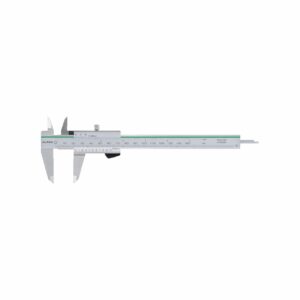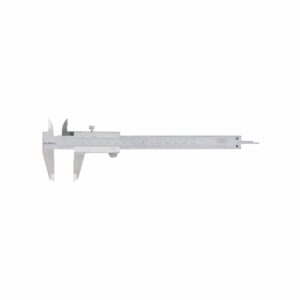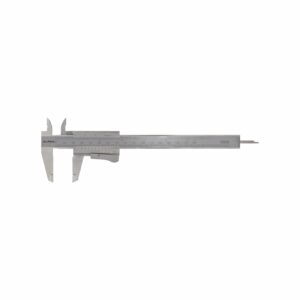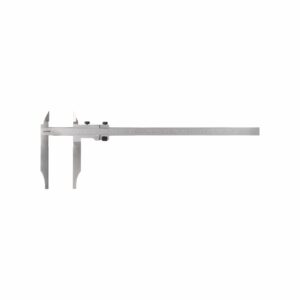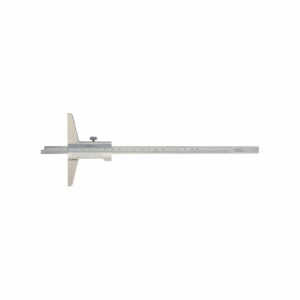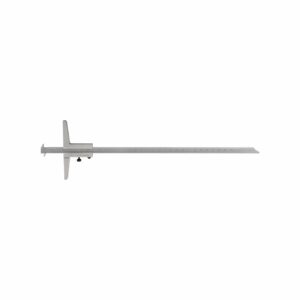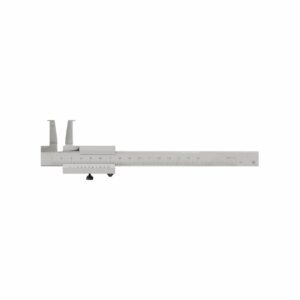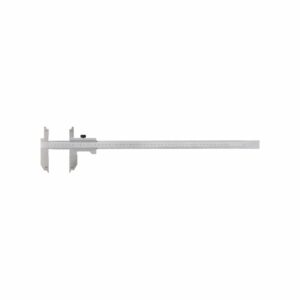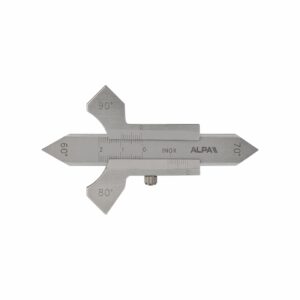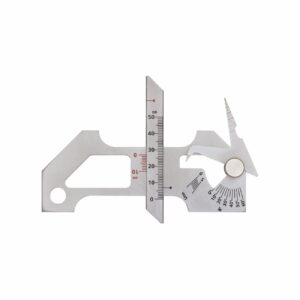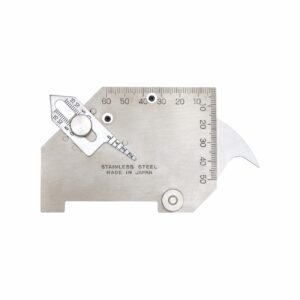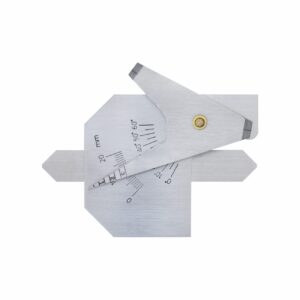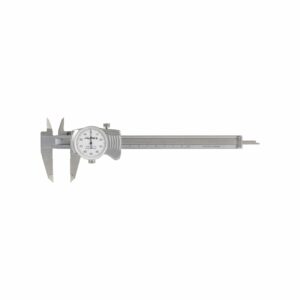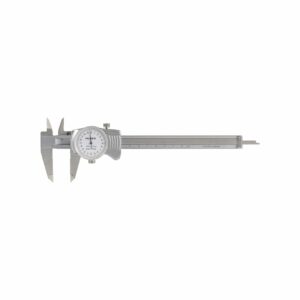



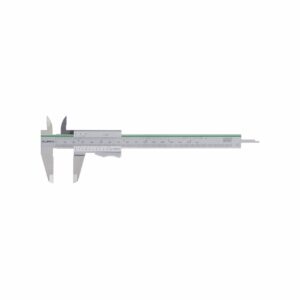
Analogue calipers represent one of the most widely used measuring instruments in mechanical workshops. These instruments, known for their precision and reliability, are essential to ensure that mechanical components are produced to the exact specifications required. In this article, we will explore in detail what analogue gauges are, how they work, their advantages and how they can be used effectively in industrial applications.
Analogue calipers are measuring instruments used to determine the linear dimensions of an object. They consist of a graduated scale and a Vernier, which allows measurements to be read with an accuracy of up to 0.02 millimetres. Unlike digital calipers, analogue calipers do not require batteries and are known for their robustness and durability.
The operation of analogue calipers is based on a mechanical reading system. The main scale is fixed, while the Vernier is movable and slides along the scale. When measuring an object, the Vernier aligns with the main scale, allowing the exact measurement to be read. The accuracy of the analogue caliper depends on the quality of the scale and the operator's ability to read the measurement correctly.
In machine shops, analogue gauges are used for a wide range of applications. They are essential for measuring outside diameters, inside diameters and depths of mechanical components. Due to their accuracy, they are ideal for controlling the quality of manufactured parts, ensuring that they meet the tolerances specified in the technical drawings.
Although digital calipers offer a more immediate reading, analogue calipers have several advantages. Firstly, they do not require batteries, which makes them always ready for use. They are also less susceptible to electronic failure and can be used in harsh environments without the risk of electronic damage. Their robust construction makes them ideal for use in workshops where strength and durability are essential.
To obtain accurate measurements with an analogue caliper, it is important to follow a few guidelines. First, make sure the caliper is clean and free of debris that could affect the reading. When measuring, apply even pressure and read the scale carefully. It is also advisable to caliper the caliper regularly to maintain its accuracy.
Maintenance of analogue calipers is essential to ensure their longevity and accuracy. After each use, clean the caliper with a soft cloth to remove dust and debris. Store the instrument in a dry place to prevent rust. It is also advisable to carry out periodic checks to ensure the alignment of the scale and Vernier.
What is the typical accuracy of an analogue caliper?
The accuracy of an analogue caliper can be as low as 0.02 millimetres, depending on the quality of the instrument.
Can analogue calipers be used to measure soft materials?
Yes, but it is important to apply minimal pressure to avoid deforming the material during measurement.
How is an analogue caliper calibrated?
Calibrating an analogue caliper requires the use of standard calibration blocks to check and adjust the accuracy of the instrument.
What are the most common materials used for analogue calipers?
Analogue calipers are generally made of stainless steel for strength and durability.
Can an analogue caliper be used in wet environments?
Yes, but it is important to dry the gauge after use to prevent corrosion.
What are the main differences between analogue and digital calipers?
Analogue calipers do not require batteries and are more robust, while digital calipers offer more immediate readings.
How do I read an analogue caliper correctly?
Correct reading requires alignment of the Vernier with the main scale and interpretation of the measuring lines.
Are analogue calipers suitable for precision measurements?
Yes, they are ideal for precision measurements due to their accurate construction and detailed scale.
What is the average lifetime of an analogue caliper?
With proper maintenance, an analogue caliper can last for many years while maintaining its accuracy.
Is specific training required to use analogue calipers?
Although no formal training is necessary, it is useful to have a basic knowledge of measuring techniques to obtain accurate results.
In conclusion, analogue gauges are indispensable tools in machine shops, offering accuracy and reliability in a wide range of applications. With proper maintenance and use, they can ensure accurate measurements and contribute to successful industrial operations.
What are analogue gauges?
Analogue calipers are measuring instruments used to determine the linear dimensions of an object. They consist of a graduated scale and a Vernier, which allows measurements to be read with an accuracy of up to 0.02 millimetres. Unlike digital calipers, analogue calipers do not require batteries and are known for their robustness and durability.
How do analogue calipers work?
The operation of analogue calipers is based on a mechanical reading system. The main scale is fixed, while the Vernier is movable and slides along the scale. When measuring an object, the Vernier aligns with the main scale, allowing the exact measurement to be read. The accuracy of the analogue caliper depends on the quality of the scale and the operator's ability to read the measurement correctly.
Applications of analogue calipers in machine shops
In machine shops, analogue gauges are used for a wide range of applications. They are essential for measuring outside diameters, inside diameters and depths of mechanical components. Due to their accuracy, they are ideal for controlling the quality of manufactured parts, ensuring that they meet the tolerances specified in the technical drawings.
Advantages of analogue calipers over digital calipers
Although digital calipers offer a more immediate reading, analogue calipers have several advantages. Firstly, they do not require batteries, which makes them always ready for use. They are also less susceptible to electronic failure and can be used in harsh environments without the risk of electronic damage. Their robust construction makes them ideal for use in workshops where strength and durability are essential.
How to use analogue calipers correctly
To obtain accurate measurements with an analogue caliper, it is important to follow a few guidelines. First, make sure the caliper is clean and free of debris that could affect the reading. When measuring, apply even pressure and read the scale carefully. It is also advisable to caliper the caliper regularly to maintain its accuracy.
Maintenance and care of analogue calipers
Maintenance of analogue calipers is essential to ensure their longevity and accuracy. After each use, clean the caliper with a soft cloth to remove dust and debris. Store the instrument in a dry place to prevent rust. It is also advisable to carry out periodic checks to ensure the alignment of the scale and Vernier.
Frequently asked questions about analogue calipers
What is the typical accuracy of an analogue caliper?
The accuracy of an analogue caliper can be as low as 0.02 millimetres, depending on the quality of the instrument.
Can analogue calipers be used to measure soft materials?
Yes, but it is important to apply minimal pressure to avoid deforming the material during measurement.
How is an analogue caliper calibrated?
Calibrating an analogue caliper requires the use of standard calibration blocks to check and adjust the accuracy of the instrument.
What are the most common materials used for analogue calipers?
Analogue calipers are generally made of stainless steel for strength and durability.
Can an analogue caliper be used in wet environments?
Yes, but it is important to dry the gauge after use to prevent corrosion.
What are the main differences between analogue and digital calipers?
Analogue calipers do not require batteries and are more robust, while digital calipers offer more immediate readings.
How do I read an analogue caliper correctly?
Correct reading requires alignment of the Vernier with the main scale and interpretation of the measuring lines.
Are analogue calipers suitable for precision measurements?
Yes, they are ideal for precision measurements due to their accurate construction and detailed scale.
What is the average lifetime of an analogue caliper?
With proper maintenance, an analogue caliper can last for many years while maintaining its accuracy.
Is specific training required to use analogue calipers?
Although no formal training is necessary, it is useful to have a basic knowledge of measuring techniques to obtain accurate results.
In conclusion, analogue gauges are indispensable tools in machine shops, offering accuracy and reliability in a wide range of applications. With proper maintenance and use, they can ensure accurate measurements and contribute to successful industrial operations.
Showing all 23 results